





Latest Version
30
October 03, 2024
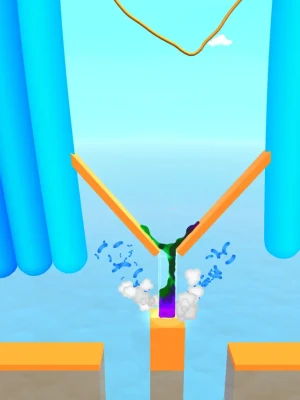
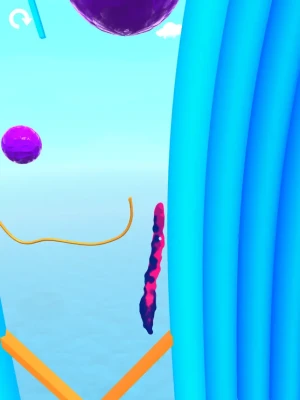
Physics-based water simulation
Games
iOS
203.5 MB
0
Free
Report a Problem
More About Pouring Master 3D
Ultra-Realistic Physics-Based Water Simulation: A Deep Dive into Cutting-Edge Technology
Water simulation has come a long way in the realm of computer graphics and game development. The quest for ultra-realistic physics-based water simulation has captivated developers and artists alike, pushing the boundaries of what is possible in digital environments. This article explores the intricacies of water simulation technology, its applications, and the future of this fascinating field.
Understanding Water Simulation Technology
Water simulation involves creating a digital representation of water that behaves in a realistic manner. This technology relies on complex algorithms and physics principles to mimic the fluid dynamics of real water. The goal is to achieve a level of realism that enhances the visual experience in video games, movies, and virtual reality environments.
The Importance of Physics in Water Simulation
At the core of ultra-realistic water simulation is the application of physics. By utilizing principles such as fluid dynamics, developers can create water that flows, splashes, and interacts with objects in a believable way. Key factors include:
- Fluid Dynamics: The study of how fluids move and interact with their surroundings is essential for creating realistic water behavior.
- Surface Tension: This phenomenon affects how water droplets form and interact, adding to the realism of the simulation.
- Buoyancy: Objects floating or sinking in water must adhere to the laws of buoyancy, which is crucial for accurate simulations.
Applications of Ultra-Realistic Water Simulation
The applications of advanced water simulation technology are vast and varied. Here are some key areas where this technology is making a significant impact:
1. Video Games
In the gaming industry, ultra-realistic water simulation enhances immersion and gameplay. Players can experience dynamic water environments, from tranquil lakes to raging oceans, all rendered with stunning detail. Games like Assassin's Creed and Sea of Thieves showcase the power of realistic water physics, allowing players to interact with water in meaningful ways.
2. Film and Animation
In the film industry, water simulation plays a crucial role in creating visually stunning scenes. Movies like Avatar and Finding Nemo utilize advanced water simulation techniques to bring their aquatic worlds to life. The ability to simulate realistic water movement and interactions elevates storytelling and visual effects.
3. Virtual Reality
As virtual reality technology continues to evolve, the need for realistic water simulation becomes even more critical. Immersive experiences require water that behaves as it would in the real world, enhancing the sense of presence and realism for users. Whether it's a serene beach or a turbulent river, realistic water simulation is key to creating engaging VR environments.
Challenges in Water Simulation
Despite the advancements in technology, creating ultra-realistic water simulations presents several challenges:
- Computational Power: High-quality water simulations require significant computational resources, which can be a barrier for real-time applications.
- Realism vs. Performance: Striking a balance between visual fidelity and performance is crucial, especially in gaming where frame rates are essential.
- Complex Interactions: Simulating interactions between water and various objects can be complex, requiring sophisticated algorithms to ensure accuracy.
The Future of Water Simulation Technology
The future of ultra-realistic physics-based water simulation looks promising, with ongoing research and development aimed at overcoming current challenges. Innovations in machine learning and artificial intelligence are expected to play a significant role in enhancing simulation accuracy and efficiency. Additionally, advancements in hardware will enable more developers to implement high-quality water simulations in their projects.
Conclusion
Ultra-realistic physics-based water simulation is a fascinating field that continues to evolve, offering endless possibilities for developers and artists. As technology advances, the ability to create lifelike water environments will only improve, enhancing the overall experience in video games, films, and virtual reality. Embracing these advancements will undoubtedly lead to more immersive and engaging digital experiences, captivating audiences around the world.
Rate the App
User Reviews














Popular Apps










Editor's Choice