
Latest Version
1.2.8
April 19, 2025
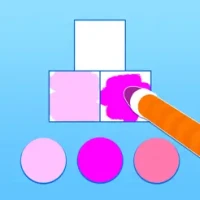
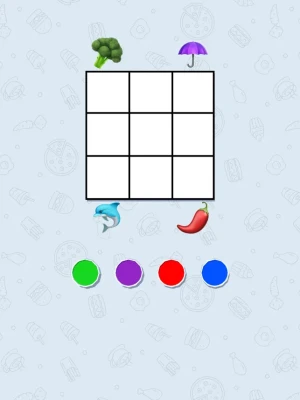
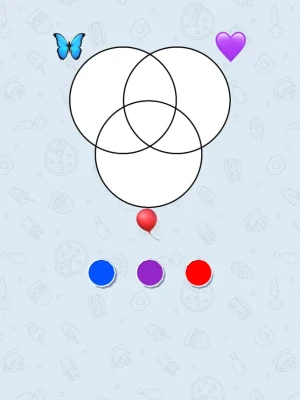
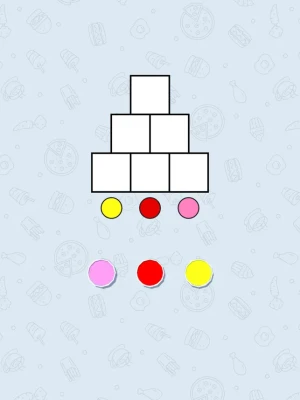
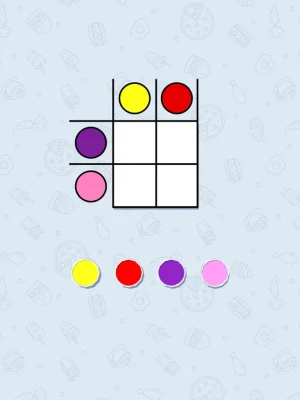
Mix and get the right Color!
Games
iOS
243.9 MB
1
Free
Report a Problem
More About Play Colors
Mastering Color Mixing: A Fun Puzzle Challenge!
Color mixing is not just an artistic endeavor; it’s a fascinating puzzle that challenges your creativity and understanding of color theory. Whether you’re a seasoned artist or a curious beginner, mastering the art of color mixing can elevate your projects and enhance your visual storytelling. In this article, we’ll explore the fundamentals of color mixing, provide tips for success, and present engaging puzzles to test your skills.
Understanding the Color Wheel
The color wheel is a vital tool for anyone interested in color mixing. It visually represents the relationships between colors, helping you understand how to create new hues. The wheel consists of primary, secondary, and tertiary colors:
- Primary Colors: Red, blue, and yellow. These colors cannot be created by mixing other colors.
- Secondary Colors: Green, orange, and purple. These are formed by mixing two primary colors.
- Tertiary Colors: These are created by mixing a primary color with a secondary color, resulting in hues like red-orange and blue-green.
By familiarizing yourself with the color wheel, you can better understand how colors interact and how to achieve the desired shades for your projects.
The Science of Color Mixing
Color mixing can be approached in two primary ways: additive and subtractive mixing. Understanding these methods will enhance your ability to create the perfect color.
Additive Color Mixing
Additive color mixing occurs when light colors combine. This method is commonly used in digital media and stage lighting. The primary colors in additive mixing are red, green, and blue (RGB). When combined, they create white light. Here’s how it works:
- Red + Green = Yellow
- Red + Blue = Magenta
- Green + Blue = Cyan
Understanding additive mixing is crucial for anyone working with screens or lighting, as it allows for the creation of vibrant visuals.
Subtractive Color Mixing
Subtractive color mixing is the process used in painting and printing. It involves the absorption of light, where colors are created by mixing pigments. The primary colors in subtractive mixing are cyan, magenta, and yellow (CMY). When combined, they absorb light and create darker colors. Here’s a breakdown:
- Cyan + Magenta = Blue
- Cyan + Yellow = Green
- Magenta + Yellow = Red
Understanding subtractive mixing is essential for artists and designers who work with physical mediums, as it allows for the creation of a wide range of colors.
Tips for Successful Color Mixing
To achieve the best results in your color mixing endeavors, consider the following tips:
- Start with a Clean Palette: Ensure your mixing surface is clean to avoid unwanted contamination of colors.
- Use Quality Pigments: Invest in high-quality paints or pigments for more vibrant and true-to-life colors.
- Experiment: Don’t be afraid to mix colors and test different combinations. Keep a record of your successful mixes for future reference.
- Practice Color Theory: Understanding color relationships will help you make informed decisions when mixing.
Engaging Color Mixing Puzzles
Now that you have a solid understanding of color mixing, it’s time to put your skills to the test! Here are a few fun puzzles to challenge your creativity:
Puzzle 1: The Color Match
Imagine you have three primary colors: red, blue, and yellow. Your task is to create the following colors:
- Green
- Orange
- Purple
Can you figure out which primary colors to mix for each secondary color? Write down your answers and see how well you did!
Puzzle 2: The Color Gradient
Create a smooth gradient from one color to another using only two colors. For example, mix red and yellow to create a gradient from red to orange. Try to achieve a seamless transition. Document your process and the resulting gradient!
Puzzle 3: The Color Challenge
Using only three colors of your choice, create a palette that includes at least five distinct shades. Challenge yourself to mix and match until you achieve a harmonious collection of colors.
Conclusion: Embrace the Art of Color Mixing
Color mixing is an exciting and rewarding skill that enhances your artistic capabilities. By understanding the color wheel, mastering additive and subtractive mixing, and practicing with engaging puzzles, you can unlock a world of creative possibilities. So grab your paints, experiment with colors, and enjoy the journey of mastering this vibrant art form!
Rate the App
User Reviews


![[Premium] RPG Dragon Sinker](https://app-corner.com/images/17781606275581672.webp)











Popular Apps









Editor's Choice