


Latest Version
1.4
April 19, 2025
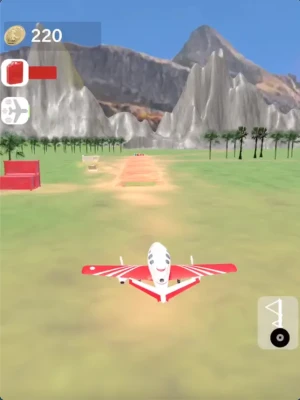
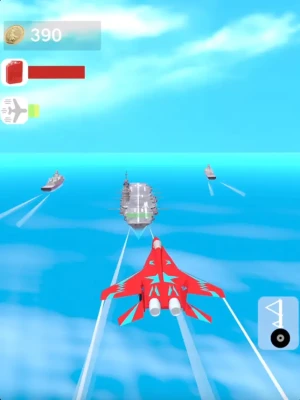
Crazy plane landings!
Games
iOS
128.7 MB
0
Free
Report a Problem
More About Plane Landings
Mastering the Art of Emergency Landings: Tips for Pilots
When it comes to aviation, the ability to land your aircraft safely in various environments is a crucial skill for any pilot. Whether you find yourself in a dense jungle or over open water, knowing how to execute an emergency landing can mean the difference between life and death. This article will explore essential strategies for landing your plane in diverse locations while managing fuel consumption effectively.
Understanding the Importance of Fuel Management
Every flight requires careful planning, especially regarding fuel management. The longer you remain airborne, the more fuel you consume. Pilots must strike a balance between flying far enough to reach a safe landing zone and conserving fuel to avoid running out mid-flight. Here are some key considerations:
- Calculate Your Fuel Needs: Before takeoff, assess the distance to your destination and the fuel required for the journey. Always include a buffer for unexpected circumstances.
- Monitor Fuel Levels: Keep a close eye on your fuel gauge during the flight. Regularly check your consumption rate to ensure you have enough fuel for a safe landing.
- Plan for Diversions: Be prepared to change your flight path if necessary. Identify potential landing sites along your route in case of emergencies.
Choosing the Right Landing Spot
In an emergency, selecting the right location to land is critical. Here are some tips for identifying suitable landing spots:
- Assess the Terrain: Look for flat, open areas that can accommodate your aircraft. Avoid densely wooded regions or rocky terrains that could pose hazards.
- Consider Proximity to Water: If you find yourself over the ocean, evaluate the possibility of a water landing. While challenging, it can be safer than attempting to reach land.
- Look for Roads or Fields: In rural areas, open fields or roads can serve as makeshift runways. Ensure the area is clear of obstacles and traffic.
Executing the Landing
Once you've identified a suitable landing spot, it's time to execute the landing. Here are some steps to follow:
- Reduce Speed: Gradually decrease your speed as you approach the landing site. This will help you maintain control and prepare for touchdown.
- Align with the Landing Area: Position your aircraft to approach the landing site at the correct angle. This alignment is crucial for a successful landing.
- Prepare for Touchdown: As you near the ground, focus on stabilizing your descent. Use your flaps and landing gear appropriately to ensure a smooth landing.
Post-Landing Considerations
After landing, your focus should shift to safety and survival. Here are some important steps to take:
- Secure the Aircraft: Once on the ground, ensure your aircraft is secure to prevent any further incidents.
- Assess Your Surroundings: Evaluate your environment for potential dangers, such as wildlife or unstable terrain.
- Signal for Help: If you're in a remote location, use flares or other signaling devices to attract attention and request assistance.
Conclusion: The Thrill of the Challenge
Landing an aircraft in unconventional locations can be daunting, but with the right knowledge and preparation, it can also be an exhilarating experience. Remember, the key to a successful landing lies in effective fuel management, careful selection of landing sites, and precise execution of landing techniques. Embrace the challenge, and always prioritize safety. Happy flying!
Rate the App
User Reviews
![[Premium] RPG Dragon Sinker](https://app-corner.com/images/17781606275581672.webp)














Popular Apps










Editor's Choice