

Latest Version
3.7
November 28, 2024
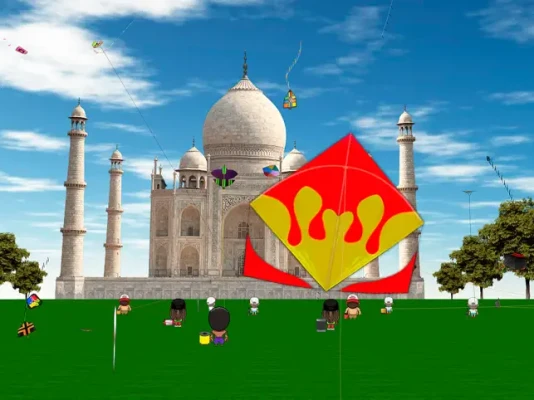
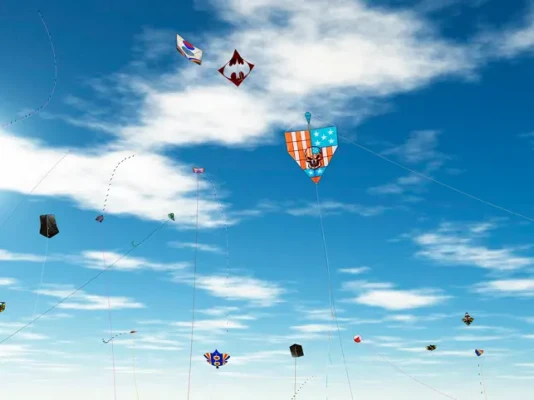
Real kite simulator
Games
iOS
29.8 MB
1
Free
Report a Problem
More About Pipa Combate 3D - Kite Flying
The Ultimate Guide to the Most Popular Kite Game in the World
Kite flying is not just a pastime; it’s a global phenomenon that brings together cultures, traditions, and communities. From the vibrant skies of India to the serene beaches of Brazil, the art of kite flying has captivated enthusiasts worldwide. This article delves into the most popular kite game, exploring its rich history, various types of kites, and the impressive realism that modern kite flying offers.
The Rich History of Kite Flying
Kite flying dates back thousands of years, with origins traced to ancient China. Initially used for military purposes, kites evolved into a beloved recreational activity. Over the centuries, different cultures have embraced kite flying, each adding unique elements to the craft. In India, for instance, the festival of Makar Sankranti celebrates the arrival of spring with colorful kites filling the sky. Similarly, in Indonesia, the tradition of layang (kites) is deeply rooted in local customs.
Types of Kites: A Global Perspective
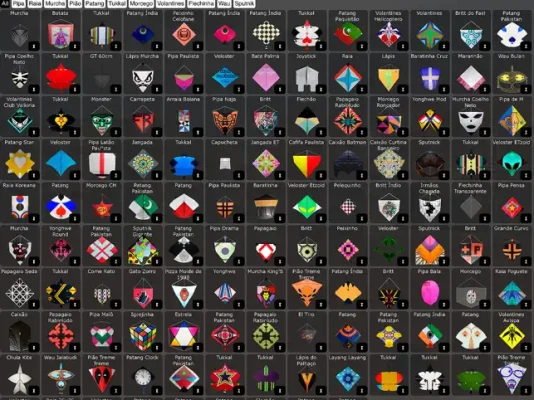
Across the globe, kites come in various shapes, sizes, and designs. Here are some of the most popular types:
- Kite (Kite): The general term used in English, encompassing various designs and styles.
- Layang (Indonesia): Traditional Indonesian kites, often adorned with intricate designs and vibrant colors.
- Layangan (Malaysia): Similar to layang, these kites are a staple in Malaysian culture, often flown during festivals.
- Patang (India): A popular type of kite in India, especially during the kite-flying festivals, known for their sharp edges used in kite battles.
- Volantines (Spain): Spanish kites that are often used in competitions, showcasing artistic designs and impressive flying capabilities.
- Pipa (China): Traditional Chinese kites that often feature elaborate designs and are flown during cultural celebrations.
The Art of Kite Flying: Techniques and Tips
Mastering the art of kite flying requires practice and skill. Here are some essential techniques and tips to enhance your kite-flying experience:
Choosing the Right Kite
Selecting the appropriate kite is crucial for a successful flying experience. Consider factors such as wind conditions, the type of kite, and your skill level. Beginners may prefer simpler designs, while experienced flyers might opt for more complex kites that require advanced techniques.
Understanding Wind Conditions
Wind is the lifeblood of kite flying. Understanding how to read wind conditions can significantly impact your kite's performance. Ideal wind speeds for flying kites typically range from 5 to 20 mph. Avoid flying in gusty or turbulent winds, as they can lead to crashes and damage.
Launching Your Kite
To launch your kite successfully, follow these steps:
- Find an open area free from obstacles.
- Hold the kite against the wind, ensuring the bridle is taut.
- Gradually release the line as the wind lifts the kite.
- Once airborne, gently pull on the line to gain altitude.
The Thrill of Kite Competitions
Kite flying is not just a leisurely activity; it has evolved into a competitive sport in many regions. Kite competitions attract participants from all walks of life, showcasing their skills and creativity. Events often feature various categories, including:
- Kite Battles: Participants engage in friendly duels, attempting to cut each other's lines.
- Artistic Kites: Competitors display their creativity through uniquely designed kites.
- Speed and Distance: Flyers aim to achieve the highest altitude or longest flight duration.
Modern Innovations in Kite Flying
With advancements in technology, kite flying has reached new heights. Modern kites are often made from lightweight materials, allowing for better maneuverability and durability. Additionally, innovations such as remote-controlled kites and LED-lit designs have added a new dimension to the experience, making it accessible to a broader audience.
Conclusion: Embrace the Joy of Kite Flying
Kite flying is more than just a hobby; it’s a celebration of culture, creativity, and community. Whether you’re a seasoned flyer or a curious beginner, the world of kites offers endless opportunities for enjoyment and connection. So, grab your kite, head to an open field, and let the winds carry you into the exhilarating world of kite flying!
Rate the App
User Reviews














Popular Apps










Editor's Choice