

Latest Version
3.03.51
October 21, 2024
PeopleLooker, LLC
Tools
Android
0
Free
com.peoplelooker.android
Report a Problem
More About PeopleLooker Background Search
Unlocking Public Records: A Comprehensive Guide to Accessing Names, Criminal Records, and More
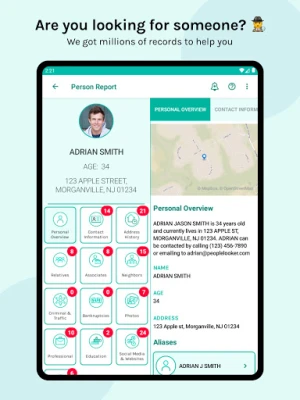
In today's digital age, accessing public records has become increasingly important for various reasons, from background checks to personal safety. This article delves into the essential aspects of public records, including names, criminal records, date of birth, phone numbers, addresses, court records, relatives, email addresses, and much more. Understanding how to navigate these resources can empower individuals and organizations alike.
Understanding Public Records
Public records are documents or pieces of information that are not considered confidential and are maintained by government agencies. These records can include a wide range of information, such as:
- Names
- Criminal records
- Date of birth
- Phone numbers
- Addresses
- Court records
- Relatives
- Email addresses
Accessing these records can provide valuable insights for various purposes, including legal matters, employment screenings, and personal safety assessments.
Accessing Names and Criminal Records
One of the most sought-after public records is criminal records. These documents provide information about an individual's criminal history, including arrests, convictions, and sentencing. To access criminal records, you can:
- Visit local law enforcement agencies or courthouses.
- Utilize online databases that aggregate public records.
- Request records through official state or federal channels.
When searching for names and criminal records, ensure you have as much identifying information as possible, such as full name, date of birth, and last known address, to streamline the process.
Finding Date of Birth and Contact Information
Date of birth is another critical piece of information often found in public records. This data can be essential for verifying identities and conducting background checks. To find someone's date of birth, consider the following methods:
- Check birth records at local vital records offices.
- Search online databases that compile public records.
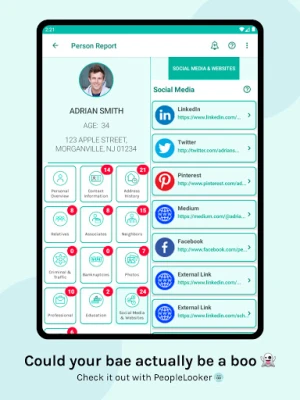
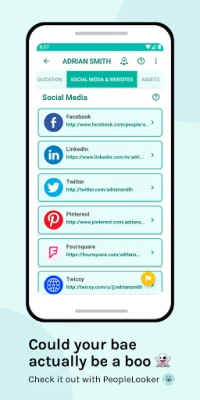
- Utilize social media platforms where individuals may share personal information.
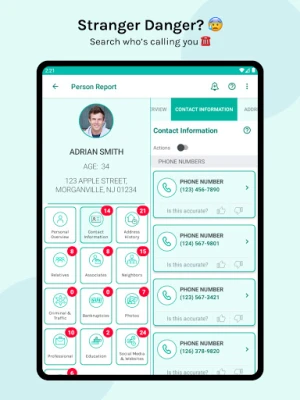
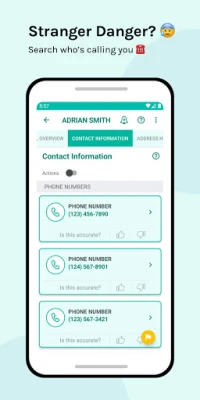
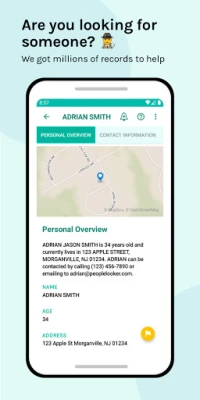
In addition to date of birth, phone numbers and email addresses can often be found through public records. Many online services offer reverse phone lookup features, allowing you to trace a phone number back to its owner. Similarly, email addresses may be available through various public databases.
Exploring Addresses and Court Records
Addresses are crucial for establishing someone's current or past residence. Public records can provide historical data on where an individual has lived, which can be beneficial for various reasons, including legal proceedings and personal investigations. To find addresses, you can:
- Access property records through local tax assessor's offices.
- Utilize online property databases.
- Search through voter registration records.
Court records are another vital aspect of public records. These documents can include case filings, judgments, and other legal proceedings. To access court records, visit the appropriate courthouse or utilize online court record databases. Understanding the context of these records can provide insights into an individual's legal history.
Identifying Relatives and Family Connections
Public records can also help identify relatives and family connections. This information can be particularly useful for genealogical research or understanding family dynamics. To trace relatives, consider:
- Searching census records for family listings.
- Utilizing online genealogy platforms.
- Accessing marriage and divorce records.
These resources can help paint a clearer picture of an individual's family background and connections.
Utilizing Online Resources for Public Records
With the rise of technology, many online platforms now offer access to public records. These services can simplify the process of finding information, but it's essential to choose reputable sources. Look for websites that provide:
- Comprehensive databases with up-to-date information.
- User-friendly interfaces for easy navigation.
- Clear privacy policies and data protection measures.
While many online resources are free, some may charge a fee for detailed reports. Always verify the credibility of the source before proceeding with any transactions.
Conclusion: Empower Yourself with Public Records
Accessing public records can be a powerful tool for individuals and organizations alike. Whether you're conducting a background check, verifying someone's identity, or researching family history, understanding how to navigate these resources is crucial. By utilizing the methods outlined in this article, you can unlock a wealth of information, including names, criminal records, date of birth, phone numbers, addresses, court records, relatives, email addresses, and much more. Empower yourself with knowledge and make informed decisions based on the insights gained from public records.
Rate the App
User Reviews














Popular Apps









Editor's Choice