

Latest Version
April 16, 2026
Evening East Production
Education
Android
0
Free
com.eeproduction.origamidinosauranddragon
Report a Problem
More About Origami Dinosaur & Dragon
Discover the Fascinating World of Dinosaurs: A Comprehensive Guide
Dinosaurs have captivated the imagination of people for generations. From the towering Brachiosaurus to the fearsome Tyrannosaurus rex, these prehistoric creatures offer a glimpse into a world that existed millions of years ago. This article explores some of the most intriguing dinosaurs, their characteristics, and their significance in the history of our planet.
1. Allosaurus: The Apex Predator
Allosaurus was a formidable predator that roamed the late Jurassic period. With its sharp teeth and powerful limbs, it was well-adapted for hunting large herbivores. Fossils indicate that Allosaurus was a social creature, often found in groups, which may have aided in its hunting strategies.
2. Apatosaurus: The Long-Necked Giant
Apatosaurus, often mistaken for its more famous relative, the Brontosaurus, was one of the largest dinosaurs. Its long neck allowed it to reach high vegetation, making it an efficient herbivore. This gentle giant could grow up to 75 feet long, showcasing the incredible diversity of dinosaur sizes.
3. Archaeopteryx: The Link Between Dinosaurs and Birds
Archaeopteryx is a pivotal species in the study of evolution, representing the transition from dinosaurs to modern birds. With feathers and wings, it possessed characteristics of both groups, providing crucial evidence for the theory of evolution.
4. Brachiosaurus: The Towering Herbivore
Brachiosaurus is renowned for its unique body structure, with longer front legs than hind legs, allowing it to reach higher foliage. This adaptation made it one of the tallest dinosaurs, standing over 40 feet tall. Its massive size and gentle nature make it a favorite among dinosaur enthusiasts.
5. Coelophysis: The Early Raptor
Coelophysis was one of the earliest known dinosaurs, characterized by its slender body and agility. This small carnivore likely hunted in packs, using its speed and sharp teeth to catch prey. Fossils suggest that Coelophysis may have scavenged as well as hunted.
6. Compsognathus: The Small but Mighty
Compsognathus was a small dinosaur, about the size of a chicken, yet it was a fierce predator. Its lightweight frame and quick movements allowed it to catch insects and small vertebrates, showcasing the adaptability of smaller dinosaurs.
7. Dimetrodon: The Prehistoric Reptile
Although often mistaken for a dinosaur, Dimetrodon lived before the age of dinosaurs. This synapsid is known for its distinctive sail-like structure on its back, which may have been used for thermoregulation or display. Understanding Dimetrodon helps clarify the evolutionary path leading to mammals.
8. Diplodocus: The Longest Dinosaur
Diplodocus is famous for its incredible length, reaching up to 90 feet. Its long neck and tail were likely used for foraging and communication. This herbivore thrived in the late Jurassic period, showcasing the diversity of sauropods.
9. Elasmosaurus: The Marine Reptile
Elasmosaurus was a long-necked marine reptile that lived during the late Cretaceous period. With its flippers and elongated neck, it was well-suited for life in the ocean, preying on fish and other marine creatures.
10. Pteranodon: The Flying Giant
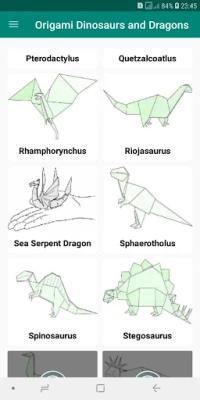
Pteranodon was one of the largest pterosaurs, with a wingspan that could exceed 20 feet. Although not a dinosaur, its ability to soar through the skies makes it a fascinating part of the prehistoric ecosystem.
11. Quetzalcoatlus: The Colossal Pterosaur
Quetzalcoatlus is often regarded as one of the largest flying animals to have ever existed. With a wingspan of up to 36 feet, it dominated the skies during the late Cretaceous period, showcasing the incredible diversity of prehistoric life.
12. Spinosaurus: The Aquatic Predator
Spinosaurus is unique among dinosaurs for its semi-aquatic lifestyle. Its elongated snout and conical teeth suggest it primarily fed on fish, making it a formidable predator in both water and land environments.
13. Stegosaurus: The Armored Herbivore
Stegosaurus is easily recognizable due to its distinctive plates and spiked tail. This herbivore used its armor for protection against predators, while its plates may have played a role in thermoregulation or mating displays.
14. Triceratops: The Three-Horned Dinosaur
Triceratops is one of the most iconic dinosaurs, known for its three facial horns and large frill. This herbivore likely used its horns for defense against predators and in mating displays, showcasing the complex social behaviors of dinosaurs.
15. Tyrannosaurus rex: The King of the Dinosaurs
Tyrannosaurus rex is perhaps the most famous dinosaur, known for its massive size and powerful jaws. As an apex predator, it dominated its environment, and its fossils provide valuable insights into the behavior and ecology of large carnivores.
App Features for Dinosaur Enthusiasts
- Tablet Support: Enjoy a seamless experience on any device.
- Easy to Use: Navigate effortlessly through the app's features.
- Fast Loading: Access information quickly without delays.
- Responsive Design: The app adapts to various screen sizes for optimal viewing.
- User-Friendly Interface: Designed for all ages, making it accessible for everyone.
Disclaimer
The content in this app is not affiliated with, endorsed, sponsored, or specifically approved by any company. All copyright and trademarks are owned by their respective owners. The images in this application are collected from around the web; if we are in breach of copyright, please let us know, and it will be removed as soon as possible.
Exploring the world of dinosaurs not only enhances our understanding of these magnificent creatures but also provides insight into the evolution of
Rate the App
User Reviews














Popular Apps










Editor's Choice