




Latest Version
1.7.6
May 04, 2026
Hangzhou Zhidou Technology Co., Ltd.
Tools
Android
0
Free
link.zhidou.btranslator
Report a Problem
More About One-Click Translate
Unlocking the Power of Voice Translation: A Comprehensive Guide
In today's interconnected world, effective communication across language barriers is more crucial than ever. With advancements in technology, voice translation has become a game-changer, allowing users to converse seamlessly in multiple languages. This article explores the capabilities of voice translation technology, its compatibility with Bluetooth devices, and the extensive range of languages supported.
Understanding Voice Translation Technology
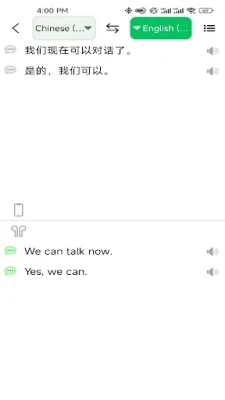
Voice translation technology leverages sophisticated algorithms and machine learning to convert spoken words from one language to another in real-time. By integrating with Bluetooth devices such as headsets and translation sticks, users can experience a hands-free and efficient translation process. This technology is particularly beneficial for travelers, business professionals, and anyone looking to bridge communication gaps.
Compatibility with Bluetooth Devices
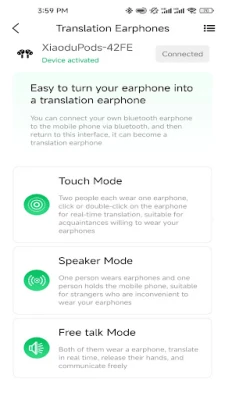
One of the standout features of modern voice translation systems is their compatibility with various Bluetooth devices. Whether you are using a Bluetooth headset for private conversations or a translation stick for group discussions, the integration enhances the user experience. This seamless connection allows for clear audio transmission, ensuring that translations are accurate and timely.
Supported Languages for Voice Translation
Currently, voice translation technology supports over 150 languages, making it a versatile tool for global communication. Among these, 16 languages are available for offline translation, allowing users to access translation services without an internet connection. The languages supported for offline translation include:
- Chinese (Simplified)
- English (United States)
- Japanese
- Korean
- French
- German
- Spanish
- Russian
- Chinese (Traditional)
- Thai
- Arabic
- Hindi
- Vietnamese
- Portuguese
- Indonesian
- Italian
This extensive language support ensures that users can communicate effectively in diverse settings, whether in business meetings, travel situations, or casual conversations.
The Benefits of Voice Translation
Voice translation technology offers numerous advantages that enhance communication:
- Real-Time Communication: Users can engage in conversations without delays, making interactions more natural and fluid.
- Increased Accessibility: With support for multiple languages, individuals from different backgrounds can connect easily.
- Convenience: The ability to translate offline means users can rely on the technology even in areas with limited connectivity.
- Enhanced Learning: Language learners can practice pronunciation and comprehension through interactive voice translation.
How to Use Voice Translation Effectively
To maximize the benefits of voice translation technology, consider the following tips:
- Choose the Right Device: Ensure your Bluetooth device is compatible with the translation software for optimal performance.
- Speak Clearly: Articulate your words to improve the accuracy of translations.
- Familiarize Yourself with the App: Explore the features of your translation app to utilize its full potential.
- Practice Regularly: Regular use of voice translation can enhance your language skills and confidence in communication.
Conclusion
Voice translation technology represents a significant leap forward in breaking down language barriers. With its compatibility with Bluetooth devices and support for a wide array of languages, it empowers users to communicate effectively in various contexts. As technology continues to evolve, the potential for voice translation will only expand, making it an essential tool for anyone looking to navigate the complexities of global communication.
Rate the App
User Reviews















Popular Apps










Editor's Choice