


Latest Version
1.0.4
December 17, 2024
Nuclear Bomb Simulator
Games
iOS
198.4 MB
0
Free
Report a Problem
More About Nuke Simulator 2024
Visualizing the Impact of Nuclear Weapons: A 3D Simulation Experience
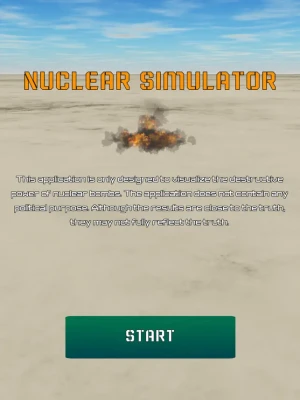
In an era where understanding the implications of nuclear warfare is crucial, a groundbreaking 3D simulation allows users to explore the devastating effects of nuclear weapons from various countries, including the United States, Russia, China, the United Kingdom, France, India, Pakistan, Israel, and North Korea. This innovative tool not only visualizes the destructive power of these weapons but also provides essential data that highlights their catastrophic potential.
Understanding Nuclear Weaponry: A Global Perspective
The simulation features an extensive arsenal of nuclear weapons, each meticulously detailed with information such as explosive yield measured in kilotons, production year, and the total number of warheads available. By selecting a specific weapon, users can gain insights into its historical context and the strategic importance it holds within its respective nation’s military framework.
Realistic 3D Mapping: Visualizing Destruction
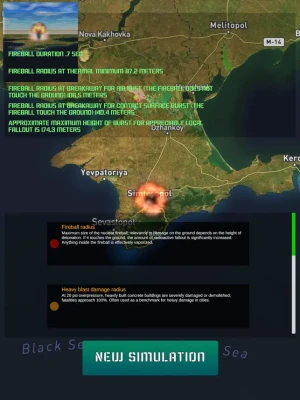
One of the standout features of this simulation is its ability to accurately depict the effects of nuclear detonations on a 3D map. Users can select a location and witness the immediate aftermath of a nuclear explosion. The simulation provides a comprehensive view of the destruction radius, showcasing how far the blast wave and thermal radiation would extend, along with the estimated number of casualties and injuries.
Statistical Insights: The Human Cost of Nuclear Warfare
Beyond visual representation, the simulation offers critical statistical data that underscores the human impact of nuclear weapons. Users can explore the extent of devastation at their chosen location, including:
- Blast Radius: The area affected by the explosion.
- Thermal Radiation: The range of heat that can cause severe burns.
- Casualty Estimates: Projected numbers of fatalities and injuries.
This data serves as a stark reminder of the catastrophic consequences that nuclear weapons can inflict on civilian populations and infrastructure.
Dynamic Animations: Experience the Unthinkable
The simulation enhances user engagement through realistic animations that depict nuclear bombs being deployed from aircraft such as the B2 Spirit or the Tupolev. These animations not only illustrate the mechanics of a nuclear strike but also culminate in the iconic mushroom cloud effect, providing a visceral understanding of the explosion's magnitude.
Interactive Features: Customizing Your Experience
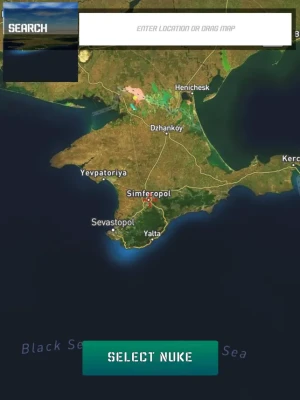
Users can easily navigate the simulation by selecting locations on the map. The interface allows for intuitive interaction, enabling users to drag the map to their desired area or search for specific locations by name. This feature empowers users to visualize the potential impact of nuclear weapons on their own communities or significant global landmarks.
Educational Value: Raising Awareness About Nuclear Threats
This 3D simulation serves not only as a tool for visualization but also as an educational resource. By providing a clear understanding of the destructive capabilities of nuclear weapons, it fosters awareness about the ongoing threats posed by nuclear proliferation. Educators, policymakers, and the general public can utilize this simulation to engage in informed discussions about disarmament, international relations, and the ethical implications of nuclear warfare.
Conclusion: The Importance of Awareness and Preparedness
As the world continues to grapple with the realities of nuclear armament, tools like this 3D simulation play a vital role in educating individuals about the potential consequences of nuclear conflict. By visualizing the effects of nuclear weapons, we can better appreciate the importance of diplomatic efforts aimed at reducing nuclear arsenals and promoting global peace. Understanding the catastrophic impact of these weapons is essential for fostering a safer future for all.
Rate the App
User Reviews















Popular Apps










Editor's Choice