
Latest Version
2.0.3
October 06, 2024
NASA
Games
iOS
755.6 MB
0
Free
Report a Problem
More About NASA Science: Humans in Space
Understanding Life in Zero Gravity: A Guide to Adapting in Space
Experiencing life in a zero-gravity environment presents a unique set of challenges and opportunities that differ significantly from our everyday existence on Earth. As you embark on this extraordinary journey, it’s essential to familiarize yourself with the nuances of moving and functioning in microgravity. This article will explore how to navigate this new reality, the importance of mission patches, and the educational resources available to understand the effects of microgravity on the human body.
Adapting to Movement in Microgravity
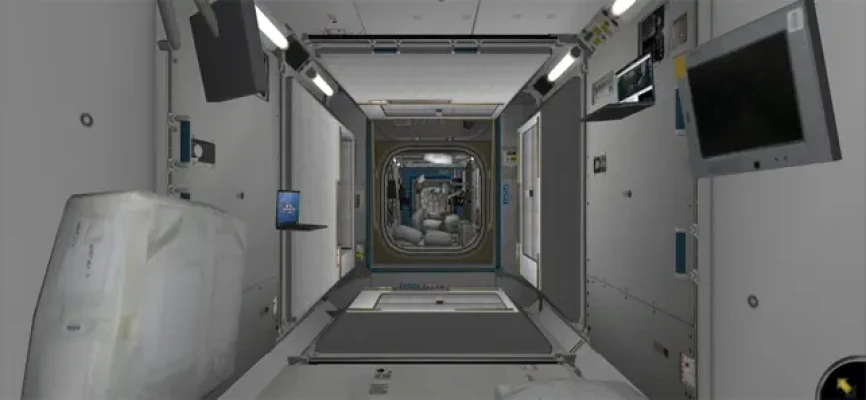
Moving in a zero-gravity environment is unlike anything you’ve experienced before. Without the force of gravity pulling you down, your body will float freely, allowing for a range of movements that can be both exhilarating and disorienting. Here are some tips to help you adjust:
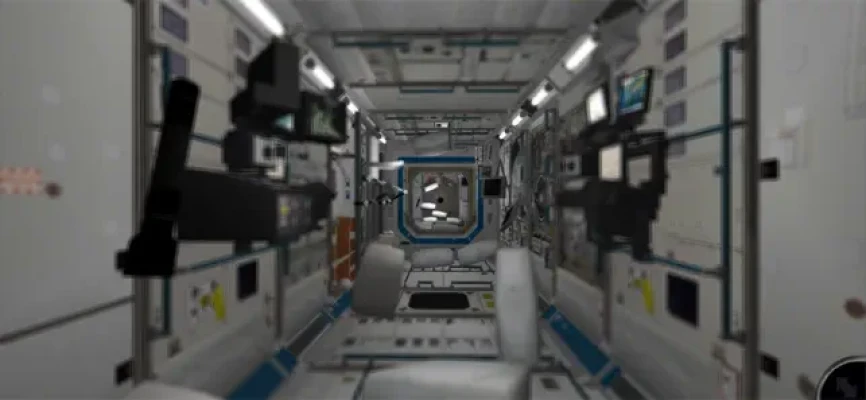
- Practice Floating: Spend time getting accustomed to the sensation of weightlessness. Fly and flip around the space station to understand how your body reacts in this new environment.
- Control Your Movements: Use handrails and footholds to stabilize yourself. Quick, jerky movements can lead to disorientation or even motion sickness, so take it slow.
- Stay Aware of Your Surroundings: Objects can drift away quickly in microgravity. Keep an eye on your equipment and fellow crew members to avoid collisions.
Mission Patches: A Symbol of Achievement
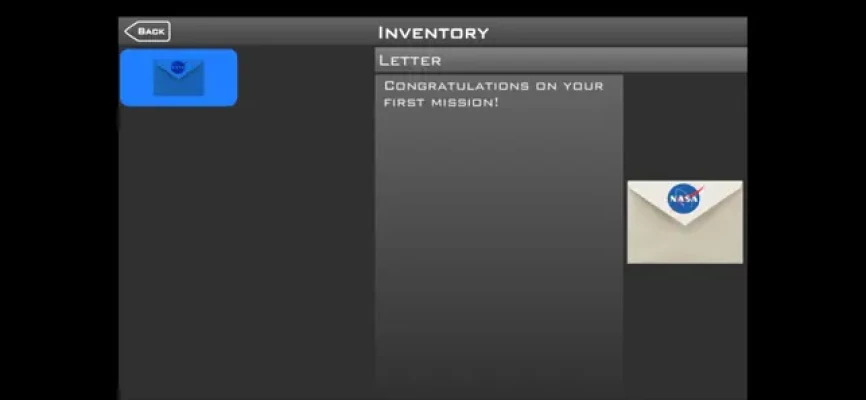
As you complete various tasks and missions in space, you’ll have the opportunity to collect mission patches. These patches serve as a tangible reminder of your accomplishments and the challenges you’ve overcome. Here’s why they matter:
- Recognition of Efforts: Each patch represents a specific mission or task completed, highlighting your contributions to the overall success of the mission.
- Encouragement to Explore: Collecting patches can motivate you to engage in more activities, counteracting the effects of microgravity and encouraging scientific discovery.
- Building a Community: Sharing your patches with fellow astronauts fosters camaraderie and a sense of belonging among those who have shared similar experiences.
The Impact of Microgravity on the Human Body
Understanding how microgravity affects human physiology is crucial for anyone spending time in space. The changes can be profound and require careful monitoring and adaptation. Here are some key effects:
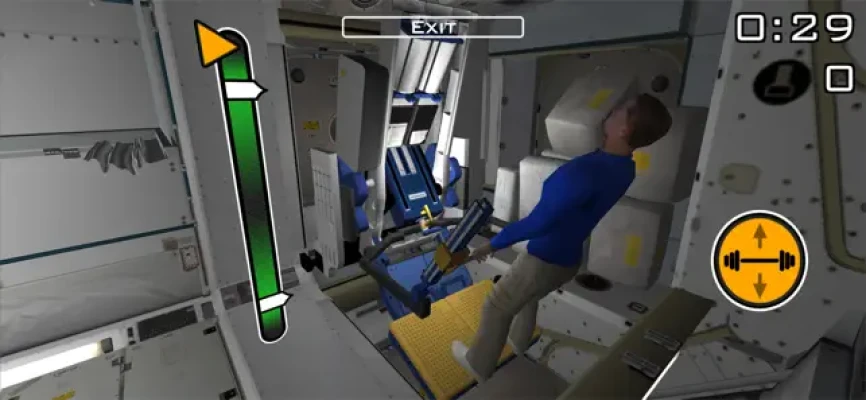
- Muscle Atrophy: In the absence of gravity, muscles can weaken and shrink. Regular exercise is essential to maintain muscle mass and strength.
- Bone Density Loss: Astronauts can experience significant bone density loss due to reduced mechanical loading. Engaging in resistance training can help mitigate this effect.
- Fluid Redistribution: Fluids in the body shift towards the upper body and head, which can lead to facial puffiness and increased intracranial pressure.
- Altered Perception: The lack of gravity can affect your sense of balance and spatial orientation, making it important to take time to adjust.
Educational Resources for Understanding Microgravity
For educators and students alike, understanding the effects of microgravity is essential. The following resources can enhance learning both in the classroom and at home:
- Interactive Apps: Many applications provide simulations and information about life in space, allowing users to experience microgravity virtually.
- Online Courses: Various institutions offer courses focused on space science, including the physiological effects of microgravity on humans.
- Documentaries and Videos: Visual media can provide insights into the daily lives of astronauts and the challenges they face in space.
Conclusion: Embracing the Zero-Gravity Experience
Adapting to life in a zero-gravity environment requires patience, practice, and a willingness to learn. By understanding how to move effectively, collecting mission patches, and recognizing the physiological changes your body undergoes, you can make the most of your time in space. Additionally, utilizing educational resources can deepen your understanding of microgravity and its effects, enriching your experience and that of others. Embrace the adventure, and enjoy the wonders of life beyond Earth!
Rate the App
User Reviews













Popular Apps










Editor's Choice