





Latest Version
1.0.27
April 07, 2026
Tiny Kraken Games
Games
Android
0
Free
com.tinykrakengames.my.wild.zoo
Report a Problem
More About My Wild Zoo
Build Your Zoo Empire: A Guide to Resource Management and Animal Capture
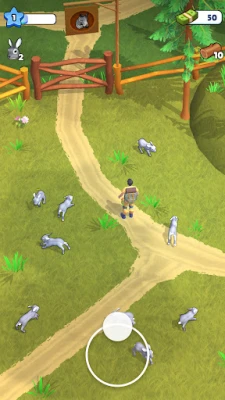
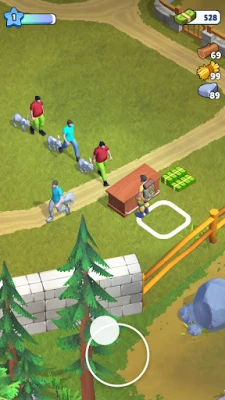
Creating a successful zoo empire requires strategic resource management and effective animal capture techniques. In this guide, we will explore how to efficiently gather essential resources like trees, hay, and stones, and how to capture animals to enhance your zoo's appeal and profitability.
Resource Management: The Foundation of Your Zoo
To build a thriving zoo, you must first focus on gathering the necessary resources. These resources will not only help you construct buildings but also create an inviting environment for your animals and visitors.
1. Cutting Trees for Construction
Trees are a vital resource for any zoo. They provide wood, which is essential for building enclosures, visitor facilities, and decorative elements. Here’s how to effectively manage tree resources:
- Identify Sustainable Practices: Always ensure that you cut trees sustainably. Avoid deforestation by planting new trees as you harvest old ones.
- Utilize Tools Efficiently: Invest in quality tools that allow you to cut trees quickly and safely. This will save time and increase productivity.
- Plan Your Layout: Before cutting down trees, plan where you want to place your buildings. This will help you minimize waste and maximize space.
2. Harvesting Hay for Animal Feed
Hay is crucial for feeding your animals and ensuring their health and happiness. Here’s how to effectively gather and manage hay:
- Grow Your Own Hay: Consider planting grass and other forage crops to create a sustainable source of hay. This will reduce costs and ensure a steady supply.
- Store Properly: Once harvested, store hay in a dry, cool place to prevent spoilage. Proper storage will ensure that your animals always have access to fresh feed.
- Monitor Animal Needs: Different animals have varying dietary requirements. Keep track of what each species needs to ensure optimal health.
3. Collecting Stones for Building Structures
Stones are essential for constructing durable buildings and pathways in your zoo. Here’s how to effectively gather and utilize stones:
- Source Locally: Look for local quarries or natural stone deposits to minimize transportation costs. This will also help you find the right type of stone for your needs.
- Use Stones Creatively: Incorporate stones into your zoo’s design. They can be used for decorative features, pathways, and animal enclosures.
- Ensure Safety: When collecting stones, prioritize safety. Use appropriate gear and techniques to avoid injuries.
Animal Capture: Expanding Your Zoo's Collection
Once you have established a solid foundation with your resources, the next step is to capture animals. A diverse collection of animals will attract more visitors and increase your zoo's revenue.
1. Understanding Animal Habitats
Before attempting to capture animals, it’s crucial to understand their natural habitats. This knowledge will help you locate and approach them effectively:
- Research Species: Learn about the specific needs and behaviors of the animals you wish to capture. This will increase your chances of success.
- Scout Locations: Visit various habitats to identify where different species are most commonly found. This will save time and resources during the capture process.
2. Using Ethical Capture Techniques
Ethical capture methods are essential for ensuring the well-being of the animals and maintaining your zoo's reputation:
- Employ Tranquilizers: Use tranquilizers to safely immobilize animals during capture. This minimizes stress and injury.
- Set Up Traps: Use humane traps that allow for safe capture without harming the animals. Ensure that traps are checked frequently to prevent distress.
- Work with Experts: Collaborate with wildlife experts or veterinarians to ensure that your capture methods are safe and effective.
3. Selling and Acclimating Captured Animals
After capturing animals, the next step is to sell them or acclimate them to your zoo:
- Evaluate Health: Before selling or introducing animals to your zoo, conduct thorough health checks to ensure they are fit for display.
- Provide Proper Enclosures: Create suitable habitats that mimic the animals' natural environments. This will help them acclimate and thrive in your zoo.
- Market Your Animals: Use effective marketing strategies to promote your new animal arrivals. Highlight their unique traits to attract visitors.
Conclusion: Building a Successful Zoo Empire
Building a zoo empire requires careful planning, resource management, and ethical animal capture techniques. By focusing on sustainable practices and creating a welcoming environment for both animals and visitors, you can establish a thriving zoo that captivates audiences and generates revenue. Start your journey today and watch your zoo empire flourish!
Rate the App
User Reviews















Popular Apps










Editor's Choice