





Latest Version
March 31, 2026
Урустом
Finance
Android
1
Free
kg.ivy.wallet
Report a Problem
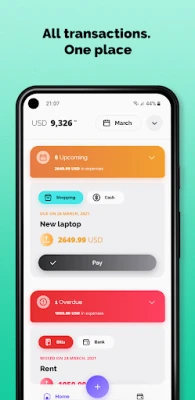
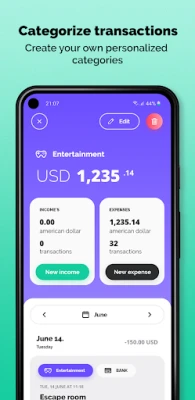
More About My Wallet
Creating Impactful and User-Friendly Open-Source Applications
In today's digital landscape, the demand for innovative and user-friendly applications is at an all-time high. Open-source software has emerged as a powerful solution, enabling developers to create applications that not only meet user needs but also foster collaboration and community engagement. This article explores the significance of building impactful open-source apps and the principles that guide their development.
The Importance of Open-Source Applications
Open-source applications are software programs whose source code is made available to the public. This transparency allows developers to modify, enhance, and distribute the software freely. The importance of open-source applications lies in their ability to:
- Encourage Collaboration: Open-source projects invite contributions from developers worldwide, leading to diverse ideas and solutions.
- Enhance Security: With many eyes on the code, vulnerabilities can be identified and fixed more quickly than in proprietary software.
- Reduce Costs: Open-source applications eliminate licensing fees, making them accessible to individuals and organizations with limited budgets.
- Promote Innovation: Developers can build upon existing projects, leading to rapid advancements and new features.
Key Principles for Building User-Friendly Open-Source Apps
Creating open-source applications that resonate with users requires a focus on several key principles:
1. User-Centric Design
At the heart of any successful application lies a user-centric design. Understanding the needs and preferences of your target audience is crucial. Conduct user research, gather feedback, and iterate on your designs to ensure that the application is intuitive and easy to navigate.
2. Clear Documentation
Comprehensive documentation is essential for open-source projects. It not only helps users understand how to use the application but also guides new contributors on how to get involved. Well-structured documentation can significantly enhance the user experience and foster a supportive community.
3. Active Community Engagement
Building a vibrant community around your open-source application can lead to sustained growth and improvement. Encourage users and developers to participate in discussions, report issues, and contribute code. Regularly engage with your community through forums, social media, and newsletters to keep them informed and motivated.
4. Regular Updates and Maintenance
To keep your application relevant and secure, regular updates are necessary. Address bugs, introduce new features, and ensure compatibility with the latest technologies. A well-maintained application not only retains existing users but also attracts new ones.
Examples of Successful Open-Source Applications
Several open-source applications have made a significant impact in various fields. Here are a few notable examples:
1. Mozilla Firefox
As a widely used web browser, Mozilla Firefox emphasizes user privacy and customization. Its open-source nature allows developers to contribute to its features and security, making it a reliable choice for millions of users.
2. WordPress
WordPress powers over 40% of websites on the internet. This open-source content management system (CMS) offers flexibility and scalability, allowing users to create anything from simple blogs to complex e-commerce sites.
3. GIMP
GIMP (GNU Image Manipulation Program) is a powerful open-source image editing tool. It provides users with advanced features comparable to proprietary software, making it a popular choice among graphic designers and photographers.
Challenges in Open-Source Development
While the benefits of open-source applications are substantial, developers often face challenges, including:
- Funding and Resources: Many open-source projects rely on donations or sponsorships, which can be unpredictable.
- Maintaining Momentum: Keeping contributors engaged over time can be difficult, especially for long-term projects.
- Managing Contributions: As the community grows, effectively managing contributions and maintaining code quality becomes increasingly complex.
Conclusion: The Future of Open-Source Applications
Building innovative and user-friendly open-source applications is not just a goal; it is a commitment to creating software that matters. By adhering to user-centric design principles, fostering community engagement, and maintaining high standards of quality, developers can create applications that not only serve their users but also contribute to the broader tech ecosystem. As the open-source movement continues to grow, the potential for impactful applications is limitless.
Embrace the challenge of developing open-source software that makes a difference, and join a community dedicated to innovation and collaboration.
Rate the App
User Reviews















Popular Apps










Editor's Choice