
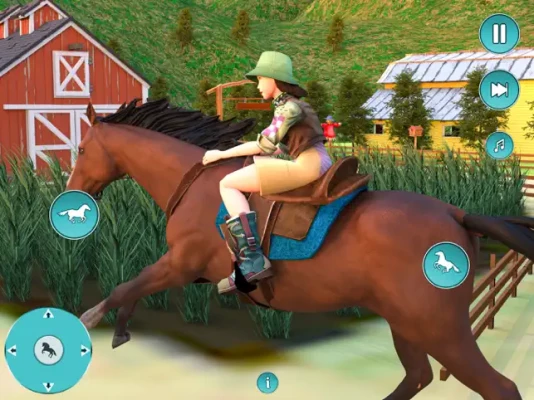

Latest Version
1.0.3\"},{\"releaseDate\":\"2024-05-01
August 30, 2025
Animal Wild Horse Racing Game
Games
iOS
288.9 MB
0
Free
Report a Problem
More About My Pregnant Horse Simulator 3D
Essential Steps to Ensure Your Wild Horse's Health and Well-Being
Finding a new horse to introduce to your stable is just the beginning of an exciting journey. However, the next day, you may discover that your wild horse is not in optimal health, hindering its ability to engage in essential activities for its well-being. In such situations, it’s crucial to act swiftly and seek veterinary assistance to embark on a new chapter in your horse's life. Are you eager to uncover the health issues affecting your wild horse? Read on to learn more about ensuring your horse's vitality and happiness.
Understanding Your Wild Horse's Health
When you bring a wild horse into your care, understanding its health is paramount. Wild horses, while resilient, can face various health challenges that may not be immediately apparent. Regular health assessments are vital to ensure your horse can thrive in its new environment.
Signs of Illness in Wild Horses
Recognizing the signs of illness in your wild horse is the first step toward effective treatment. Look for the following symptoms:
- Changes in Appetite: A sudden decrease in food intake can indicate underlying health issues.
- Behavioral Changes: If your horse becomes lethargic or exhibits unusual behavior, it may be unwell.
- Physical Symptoms: Watch for signs such as coughing, nasal discharge, or limping.
Importance of Veterinary Care
Once you notice any concerning signs, it’s time to call a veterinarian. Professional assessment is crucial for diagnosing and treating health issues effectively. Here’s why veterinary care is essential:
Early Diagnosis Saves Lives
Early intervention can make a significant difference in your horse's recovery. A veterinarian can perform necessary tests to identify health problems before they escalate. This proactive approach not only ensures your horse's well-being but also helps you avoid costly treatments later on.
Customized Treatment Plans
Every horse is unique, and so are their health needs. A veterinarian can create a tailored treatment plan that addresses your horse's specific conditions. This personalized care can include medication, dietary adjustments, or specialized therapies to promote healing.
Creating a Healthy Environment
In addition to seeking veterinary care, creating a healthy environment for your wild horse is crucial. Here are some tips to ensure your horse thrives:
Proper Nutrition
Feeding your horse a balanced diet is essential for maintaining its health. Consult with your veterinarian or an equine nutritionist to determine the best diet for your horse's age, weight, and activity level. High-quality hay, grains, and supplements can significantly impact your horse's overall health.
Regular Exercise
Just like humans, horses need regular exercise to stay fit and healthy. Ensure your horse has ample space to roam and engage in physical activities. Regular exercise not only keeps your horse physically fit but also promotes mental well-being.
Monitoring Your Horse's Progress
After implementing a treatment plan and creating a healthy environment, it’s essential to monitor your horse's progress closely. Keep track of any changes in behavior, appetite, and overall health. Regular check-ins with your veterinarian can help ensure your horse is on the right path to recovery.
Establishing a Routine
Establishing a daily routine can help your horse feel secure and comfortable in its new environment. Consistency in feeding, exercise, and care routines can significantly reduce stress for your horse, promoting better health and happiness.
Conclusion: A New Chapter Awaits
Bringing a wild horse into your life is a rewarding experience, but it comes with responsibilities. By understanding your horse's health, seeking veterinary care, and creating a nurturing environment, you can ensure a bright future for your equine companion. Are you ready to take the next steps in your horse's journey? Download our comprehensive guide to horse care and start your adventure today!
Rate the App
User Reviews















Popular Apps










Editor's Choice