

Latest Version
1.14
July 21, 2026
Nebocry Interactive
Games
Android
0
Free
com.NebocryInteractive.MobileTycoon
Report a Problem
More About Mobile Tycoon
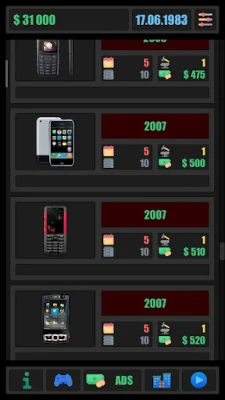
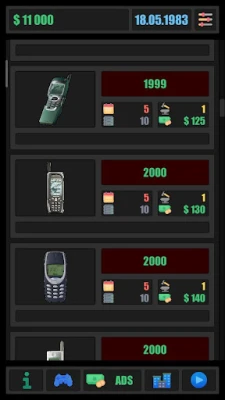
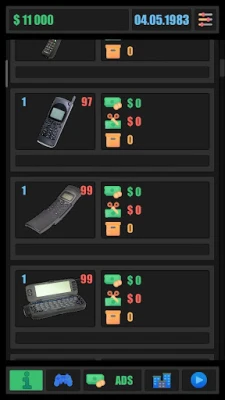
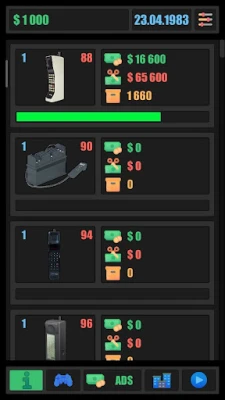
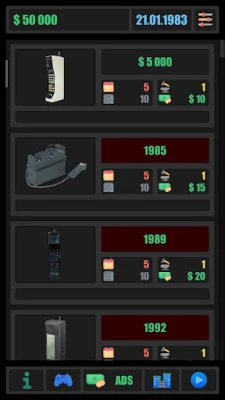
Explore Over 90 Phone Models: From the Mid-80s to 2021's Latest Innovations
In the ever-evolving world of technology, mobile phones have undergone a remarkable transformation since their inception. Today, you can choose from an extensive collection of over 90 phone models, showcasing the journey of mobile communication from the mid-1980s to the cutting-edge devices of 2021. This article delves into the evolution of mobile phones, highlighting key milestones and innovations that have shaped the industry.
The Birth of Mobile Phones: A Glimpse into the Mid-80s
The mid-1980s marked a significant turning point in communication technology. The first mobile phones were bulky, expensive, and primarily used by business professionals. The Motorola DynaTAC 8000X, released in 1983, was the first commercially available mobile phone. Weighing nearly 2.5 pounds and measuring 10 inches tall, it was a far cry from the sleek devices we use today. Despite its limitations, the DynaTAC paved the way for future innovations in mobile technology.
Technological Advancements: The 1990s and Early 2000s
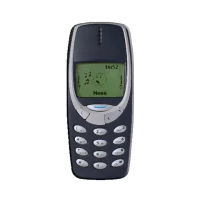
As we moved into the 1990s, mobile phones began to shrink in size and increase in functionality. The introduction of digital networks allowed for clearer calls and better battery life. Iconic models like the Nokia 3310 became household names, known for their durability and long-lasting battery. This era also saw the rise of flip phones, which combined style with practicality.
By the early 2000s, mobile phones had evolved to include features such as cameras, color screens, and text messaging capabilities. The launch of the BlackBerry in 2003 revolutionized mobile communication for professionals, integrating email and internet access into a compact device. This period laid the groundwork for the smartphones we rely on today.
The Smartphone Revolution: 2007 and Beyond
The launch of the Apple iPhone in 2007 marked a watershed moment in mobile technology. With its intuitive touchscreen interface and access to a wide range of applications, the iPhone redefined what a mobile phone could be. This innovation sparked a wave of competition, leading to the development of Android smartphones and a plethora of other devices that catered to diverse consumer needs.
As smartphones became more prevalent, manufacturers began to focus on enhancing camera quality, processing power, and user experience. Brands like Samsung, Google, and Huawei emerged as key players, each offering unique features and designs that appealed to different segments of the market.
Latest Models of 2021: A Showcase of Innovation
Fast forward to 2021, and the mobile phone landscape is more diverse than ever. With over 90 models available, consumers can choose from a wide array of options that cater to various preferences and budgets. High-end devices like the iPhone 13 Pro and Samsung Galaxy S21 boast advanced camera systems, 5G connectivity, and powerful processors, making them ideal for tech enthusiasts and professionals alike.
On the other hand, budget-friendly options such as the Google Pixel 5a and OnePlus Nord provide excellent performance without breaking the bank. These models demonstrate that innovation is not limited to flagship devices; even mid-range phones now offer impressive features and capabilities.
Conclusion: The Future of Mobile Phones
The journey of mobile phones from the mid-80s to 2021 showcases an incredible evolution driven by technological advancements and consumer demands. With over 90 models to choose from, there is a perfect phone for everyone, whether you seek cutting-edge technology or a reliable device for everyday use. As we look to the future, one can only imagine the innovations that await us in the world of mobile communication.
In summary, the mobile phone industry continues to thrive, offering a plethora of options that cater to the diverse needs of consumers. Embrace the evolution of technology and explore the vast array of phone models available today!
Rate the App
User Reviews














Popular Apps










Editor's Choice