

Latest Version
0.44
February 09, 2025
Ferhat Bicici
Games
iOS
338.7 MB
0
Free
Report a Problem
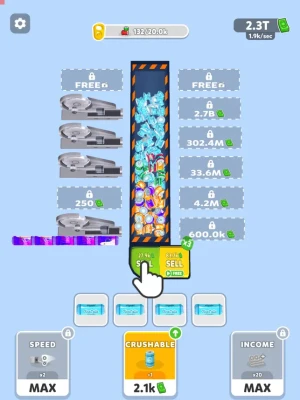
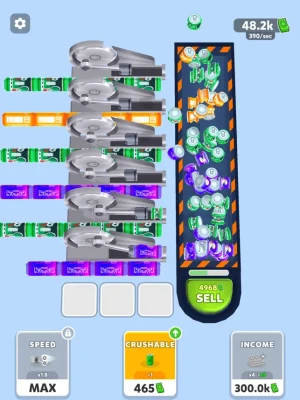
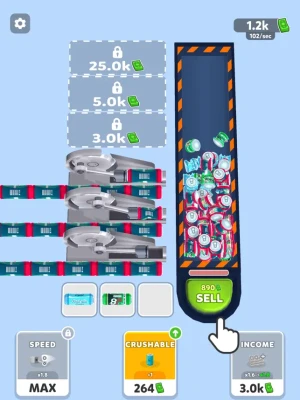
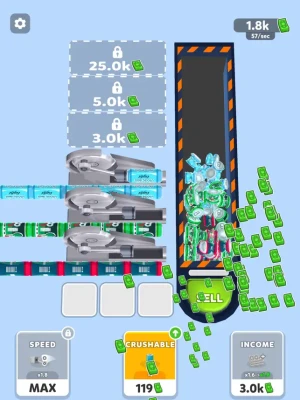
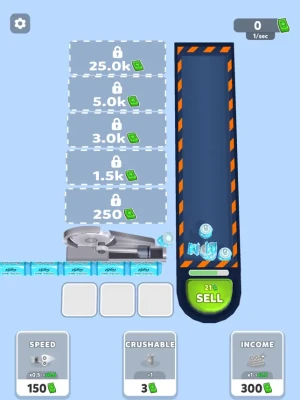
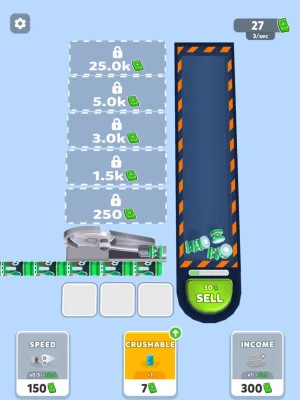
More About Metal Crusher
Recycle Today for a Sustainable Tomorrow
In an era where environmental concerns are at the forefront of global discussions, recycling has emerged as a crucial practice for preserving our planet. By adopting recycling habits, we not only reduce waste but also contribute to a sustainable future. This article delves into the importance of recycling, its benefits, and practical tips to incorporate recycling into our daily lives.
The Importance of Recycling
Recycling plays a vital role in conserving natural resources and reducing pollution. When we recycle materials such as paper, plastic, and metals, we decrease the need for raw materials, which in turn minimizes the environmental impact associated with extraction and processing. Furthermore, recycling helps to divert waste from landfills, reducing the strain on these sites and lowering greenhouse gas emissions.
Benefits of Recycling
Recycling offers numerous advantages that extend beyond environmental protection. Here are some key benefits:
- Conservation of Resources: Recycling conserves valuable resources by reusing materials, which reduces the need for new raw materials.
- Energy Savings: The recycling process typically requires less energy compared to producing new products from virgin materials, leading to lower energy consumption and reduced carbon emissions.
- Economic Growth: Recycling creates jobs in the collection, processing, and selling of recyclable materials, contributing to economic development.
- Community Engagement: Recycling initiatives foster community involvement and awareness about environmental issues, encouraging collective action towards sustainability.
How to Start Recycling Effectively
Implementing effective recycling practices in your home or workplace can be straightforward. Here are some practical steps to get started:
1. Understand What Can Be Recycled
Familiarize yourself with the materials accepted by your local recycling program. Commonly recyclable items include:
- Paper and cardboard
- Plastics (check for recycling symbols)
- Metals (aluminum cans, tin cans)
- Glass bottles and jars
2. Set Up a Recycling Station
Create a designated area in your home or office for recycling. Use clearly labeled bins to separate different materials, making it easier to sort items as you go.
3. Rinse and Clean Recyclables
Before placing items in the recycling bin, rinse them to remove any food residue. Contaminated materials can disrupt the recycling process and lead to entire batches being sent to landfills.
4. Educate Others
Share your recycling knowledge with family, friends, and colleagues. Encourage them to adopt similar practices and raise awareness about the importance of recycling.
Innovative Recycling Solutions
As technology advances, innovative recycling solutions are emerging. Here are a few noteworthy developments:
1. Advanced Sorting Technologies
Modern recycling facilities are utilizing advanced sorting technologies, such as AI and robotics, to improve the efficiency of material separation. These innovations enhance the quality of recycled materials and reduce contamination rates.
2. Upcycling
Upcycling involves creatively repurposing waste materials into new products. This practice not only reduces waste but also encourages creativity and sustainability. From furniture made from reclaimed wood to fashion items crafted from discarded textiles, upcycling offers endless possibilities.
3. Community Recycling Programs
Many communities are implementing recycling programs that encourage participation through incentives and education. These initiatives often include curbside pickup, drop-off centers, and community events focused on recycling and sustainability.
Conclusion: A Call to Action
Recycling is not just a personal responsibility; it is a collective effort that requires participation from individuals, communities, and businesses alike. By making a conscious decision to recycle, we can significantly impact the environment and pave the way for a sustainable future. Start today—recycle, educate, and inspire others to join the movement towards a greener planet.
Remember, every small action counts. Together, we can create a world where recycling is the norm, and sustainability is a shared goal. Let’s recycle today for a better tomorrow!
Rate the App
User Reviews















Popular Apps










Editor's Choice