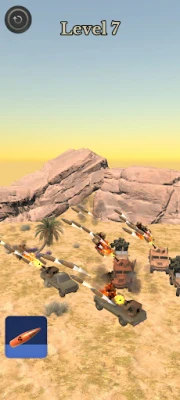
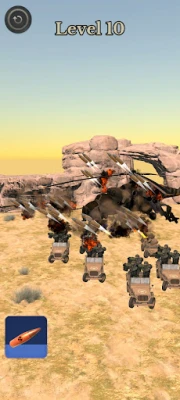
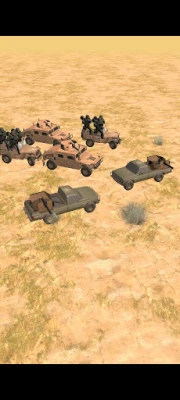
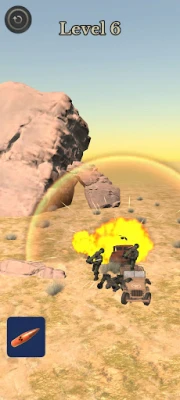
Latest Version
0.1
January 14, 2026
Ararat Games
Games
Android
0
Free
merge.army.tank.wars
Report a Problem
More About Merge Army: Tank Wars
Mastering Military Strategy: Merging Forces to Overcome Adversaries
In the realm of military strategy, the ability to merge soldiers, create a formidable army, and effectively neutralize enemy tanks is crucial for success on the battlefield. This article delves into the intricacies of military organization, the importance of unity among troops, and the tactics necessary to dismantle armored threats. By understanding these elements, military leaders can enhance their operational effectiveness and achieve victory.
The Importance of Merging Forces
In any military operation, the integration of forces is vital. Merging soldiers from different units can lead to a more cohesive and versatile army. This process not only enhances the overall strength of the military but also fosters collaboration and communication among troops. Here are some key benefits of merging forces:
- Enhanced Coordination: When soldiers from various backgrounds come together, they learn to work as a unified team, improving their ability to execute complex maneuvers.
- Diverse Skill Sets: Each soldier brings unique skills and experiences, which can be leveraged to create a more adaptable and capable fighting force.
- Increased Morale: A united front boosts the morale of troops, as they feel part of a larger mission, fostering a sense of belonging and purpose.
Building a Formidable Army
Creating a powerful army requires more than just merging soldiers; it involves strategic planning and resource allocation. Here are essential steps to build a formidable military force:
1. Strategic Recruitment
Recruiting the right individuals is the foundation of a strong army. Focus on selecting candidates who not only possess physical strength but also demonstrate mental resilience and adaptability. A well-rounded recruitment strategy ensures that the army is equipped with soldiers capable of facing diverse challenges.
2. Comprehensive Training Programs
Once soldiers are merged into a cohesive unit, comprehensive training programs are essential. These programs should cover various aspects, including:
- Combat Skills: Regular drills and simulations prepare soldiers for real-life scenarios.
- Team Building: Activities that promote teamwork and trust among soldiers enhance unit cohesion.
- Leadership Development: Training future leaders within the ranks ensures that the army has capable individuals ready to take charge in critical situations.
3. Effective Communication
Establishing clear communication channels is crucial for operational success. Implementing advanced communication technologies allows for real-time updates and coordination during missions. Regular briefings and debriefings also ensure that all soldiers are on the same page, reducing the risk of misunderstandings on the battlefield.
Neutralizing Enemy Tanks: Tactical Approaches
Enemy tanks pose a significant threat on the battlefield, and neutralizing them requires strategic planning and execution. Here are effective tactics to destroy enemy armored vehicles:
1. Utilizing Anti-Tank Weapons
Equipping soldiers with advanced anti-tank weapons is essential for countering armored threats. Options include:
- Missile Systems: Portable missile systems can be deployed quickly and effectively target enemy tanks from a distance.
- Land Mines: Strategically placed land mines can incapacitate enemy vehicles, creating obstacles for advancing forces.
- Grenade Launchers: These can be used to deliver explosive rounds capable of penetrating tank armor.
2. Flanking Maneuvers
Direct assaults on enemy tanks can be costly. Instead, employing flanking maneuvers allows soldiers to attack from the sides or rear, where armor is typically weaker. This tactic requires careful planning and coordination to ensure that troops can execute the maneuver without being detected.
3. Air Support
Integrating air support into ground operations can significantly enhance the effectiveness of anti-tank strategies. Airborne units can provide reconnaissance, identify enemy positions, and deliver precision strikes on armored vehicles, ensuring that ground troops can advance with reduced risk.
Conclusion: The Path to Victory
In conclusion, merging soldiers to create a powerful army and effectively neutralizing enemy tanks are critical components of military strategy. By focusing on unity, training, and tactical innovation, military leaders can enhance their operational capabilities and increase their chances of success on the battlefield. The ability to adapt and evolve in response to changing circumstances is what ultimately leads to victory in military engagements.
Rate the App
User Reviews















Popular Apps










Editor's Choice