



Latest Version
2.25.0
December 08, 2025
Faria Education Group
Education
Android
0
Free
co.faria.mobilemanagebac
Report a Problem
More About ManageBac
Maximizing Academic Success: A Comprehensive Guide for Students, Teachers, Coordinators, and Parents
In today’s fast-paced educational environment, staying organized and informed is crucial for success. This guide provides essential strategies for students, teachers, coordinators, and parents to enhance academic performance and foster a collaborative learning atmosphere.
Strategies for Students: Achieving Academic Excellence
Students play a pivotal role in their educational journey. Here are key strategies to help them stay organized and proactive:
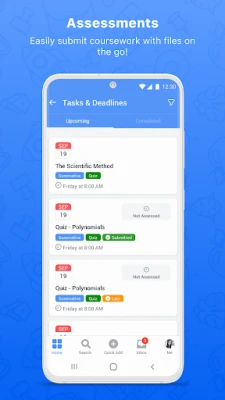
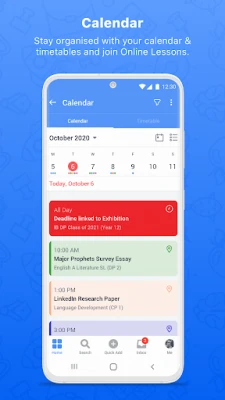
- Stay Organized with Academic Deadlines: Keeping track of important dates for assignments, exams, and projects is essential. Utilize planners or digital tools to ensure you never miss a deadline.
- Set Goals and Build a Portfolio: Establish clear academic and personal goals. Create a portfolio that showcases your coursework, projects, and achievements, including photos and reflections.
- Manage CAS and Service-Learning Activities: Engage in Creativity, Activity, Service (CAS) projects. Reflect on your experiences to deepen your understanding and personal growth.
- Plan Projects and Communicate Effectively: Collaborate with teachers and advisors to plan and execute projects. Open communication fosters a supportive learning environment.
- Utilize QuickStart Guides for the IB: Familiarize yourself with the International Baccalaureate (IB) curriculum through QuickStart guides. Staying informed helps you stay ahead of the curve.
Empowering Teachers: Enhancing the Learning Experience
Teachers are the backbone of the educational system. Here are effective strategies for educators to enhance their teaching methods:
- Collaboratively Plan Your Curriculum: Work with fellow educators to design a cohesive curriculum that meets the diverse needs of students.
- Manage Teaching and Learning Resources: Utilize platforms like Stream & Resources to streamline lesson planning and resource sharing.
- Share Experiences and Set Goals: Engage in discussions with colleagues about teaching experiences and set collective goals within the Portfolio.
- Mark Tasks and Submit Grades: Provide timely feedback on assignments, annotate coursework, and ensure accurate submission of term grades.
- Record Attendance and Manage Behavior: Keep accurate attendance records and address behavioral issues promptly to maintain a positive classroom environment.
Coordinators: Streamlining Educational Processes
Coordinators play a vital role in managing the educational framework. Here are strategies to enhance their effectiveness:
- Plan and Organize Year Group Deadlines: Establish a clear timeline for key deadlines to ensure smooth operations throughout the academic year.
- Manage Service Learning and Project-Based Learning: Oversee service learning initiatives and project-based learning to enrich student experiences.
- Coordinate Exams from Start to Finish: Ensure that all aspects of exam administration are handled efficiently, from scheduling to grading.
- Analyze Curriculum and Manage Reporting: Regularly review the curriculum to identify areas for improvement and manage term reporting effectively.
Engaging Parents: Supporting Student Success
Parents are integral to a student’s academic journey. Here’s how they can actively participate in their child’s education:
- Browse the Curriculum: Familiarize yourself with the curriculum and teaching methods through the Portfolio to better support your child’s learning.
- Monitor Academic Progress: Keep track of your child’s grades, teacher comments, and report cards to stay informed about their academic performance.
- Submit Attendance Excusals: Communicate with homeroom advisors regarding any attendance issues to ensure your child’s records are accurate.
- Collaborate with Fellow Parents: Engage with other parents through the Parent-Teacher Association to share insights and support each other in fostering a positive educational environment.
Conclusion: A Collaborative Approach to Education
By implementing these strategies, students, teachers, coordinators, and parents can work together to create a thriving educational ecosystem. Staying organized, communicating effectively, and actively participating in the learning process are key components to achieving academic success. Embrace these practices to ensure a fulfilling and productive educational experience for all involved.
Rate the App
User Reviews














Popular Apps










Editor's Choice