
Latest Version
10.0
April 29, 2025
Vishaya Kannada
Games
Android
0
Free
kannada.mahabharata.quiz
Report a Problem
More About ಮಹಾಭಾರತ ಕ್ವಿಜ್ Mahabharata
The Epic Saga of the Mahabharata: A Tale of Power, Virtue, and Conflict
The Mahabharata, one of the world's oldest epics, narrates the gripping tale of two royal families—the Pandavas and the Kauravas—who fought a monumental war for power and righteousness. This article delves into the intricate relationships, pivotal events, and moral dilemmas that define this timeless narrative.
The Royal Lineage of Hastinapur
In the ancient kingdom of Hastinapur, two princes, Pandu and Dhritarashtra, were born into a legacy of power. Due to his blindness, Dhritarashtra could not ascend the throne, leading to Pandu becoming the king. The five sons of Pandu, known as the Pandavas, stood in stark contrast to the hundred sons of Dhritarashtra, collectively referred to as the Kauravas.
Key Figures: Kunti and Gandhari
Kunti, the wife of Pandu, played a crucial role as the mother of the Pandavas, while Gandhari, the devoted wife of Dhritarashtra, symbolized loyalty and sacrifice. In a poignant act of solidarity, Gandhari chose to blindfold herself, sharing her husband's plight. Among the Kauravas, Duryodhan and Dushashana emerged as the most notorious figures, often driven by jealousy and ambition.
The Rise of Conflict: Jealousy and Betrayal
The Pandavas excelled in various fields, inciting envy among the Kauravas. In their relentless pursuit to eliminate their rivals, the Kauravas devised numerous schemes to harm the Pandavas. After several failed attempts, they sought the cunning assistance of their uncle, Shakuni, who harbored a nefarious plan.
The Fateful Game of Dice
Yudhisthira, the eldest of the Pandavas, was lured into a game of dice against the Kauravas. Accepting the challenge, he gambled away everything, including the honor of their shared wife, Draupadi. The Kauravas humiliated Draupadi in the royal court, a moment that ignited the flames of vengeance. Following the game, the Pandavas were forced into exile, setting the stage for the inevitable conflict.
The Prelude to War: Krishna's Intervention
Upon their return from exile, the Pandavas sought to reclaim their rightful place. However, Duryodhan's refusal to grant them even a small portion of land led to escalating tensions. Lord Krishna, a key ally of the Pandavas, attempted to mediate peace, urging Duryodhan to compromise. Yet, the Kauravas' obstinacy made war unavoidable.
The Mighty Warriors of Kurukshetra
The battlefield of Kurukshetra became the stage for an epic confrontation. The Kauravas boasted formidable warriors, including Dronacharya, their shared teacher, and Bhishma Pitamha, who possessed the boon of choosing his own death. Karna, the son of the sun, and Ashwatthama, Dronacharya's son, further strengthened their ranks. In contrast, the Pandavas relied solely on Lord Krishna, who served as their charioteer and divine guide.
The Eighteen Days of Battle
The war raged for eighteen grueling days, marked by intense combat and profound losses. Ultimately, the Pandavas emerged victorious, but not without significant sacrifice. Bhima avenged the humiliation of Draupadi by killing Duryodhan and Dushashana, while Arjuna faced the heart-wrenching task of slaying his own brother, Karna. The battle claimed many lives, including that of Abhimanyu, Arjuna's son, leaving a trail of sorrow in its wake.
The Restoration of Order: Yudhisthira's Ascendancy
With the defeat of the Kauravas, peace was restored in Hastinapur. Yudhisthira ascended the throne, embodying the virtues of justice and righteousness. The Mahabharata serves as a profound allegory, illustrating the eternal struggle between good and evil, and the complexities of human nature.
Conclusion: Lessons from the Mahabharata
The Mahabharata is not merely a tale of war; it is a reflection of moral dilemmas, familial bonds, and the quest for justice. It highlights the varying perceptions of right and wrong, reminding us that the battle between virtue and vice is a timeless struggle. As we explore this epic, we gain insights into our own lives and the choices we face.
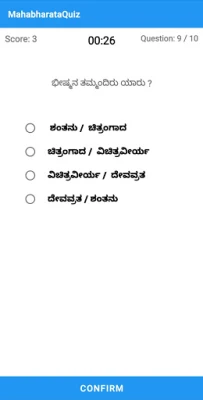
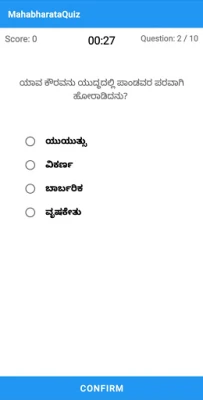
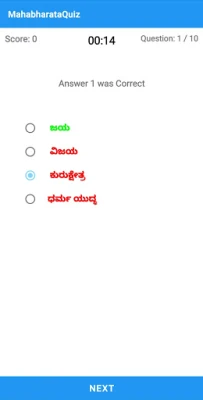
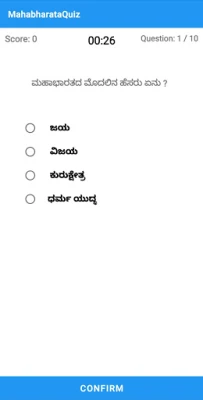
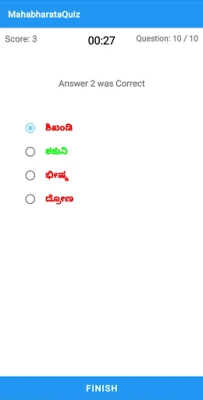
For those interested in testing their knowledge of the Mahabharata, a quiz awaits. Feel free to reach out with any thoughts or inquiries at vishaya.in@gmail.com or through our contact form.
Rate the App
User Reviews














Popular Apps









Editor's Choice