


Latest Version
0.4.5
September 07, 2024
Yso Corp
Games
iOS
317 MB
0
Free
Report a Problem
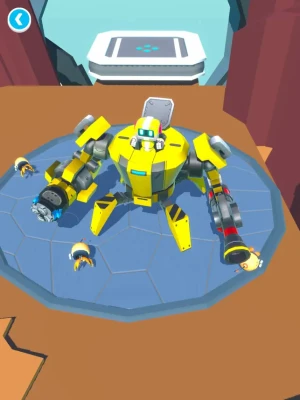
More About Little Robot !
Mastering Robot Warfare: Control Your Enemies and Turn Them into Allies
In the ever-evolving landscape of technology and warfare, the ability to dominate enemy robots and convert them into powerful allies is a game-changer. This article delves into the strategies and techniques that allow you to seize control of robotic adversaries, transforming them from foes into formidable assets in your arsenal.
The Rise of Robotic Warfare
As technology advances, the battlefield has shifted dramatically. Robots are no longer just tools; they are now integral components of military strategy. Understanding how to effectively combat and commandeer these machines is crucial for gaining the upper hand in any conflict.
Understanding Enemy Robots
Before you can take control of enemy robots, it’s essential to understand their design and functionality. Most robotic systems are equipped with advanced sensors, artificial intelligence, and communication networks. Familiarizing yourself with these elements will provide insights into how to disrupt their operations.
Types of Enemy Robots
- Autonomous Drones: These flying machines can conduct surveillance and deliver payloads. Disabling their navigation systems can render them useless.
- Ground Combat Robots: Equipped with weaponry, these robots are designed for direct engagement. Targeting their power sources can incapacitate them.
- Support Robots: Used for logistics and supply, these robots can be commandeered to assist your forces once under your control.
Strategies for Dominating Enemy Robots
To effectively take control of enemy robots, you need a well-thought-out strategy. Here are some proven methods to consider:
1. Disruption Tactics
Utilizing electronic warfare techniques can disrupt the communication and control systems of enemy robots. Jamming signals or deploying malware can create openings for you to seize control.
2. Hacking and Reprogramming
Once you’ve disrupted their systems, the next step is to hack into the robot’s software. This requires advanced programming skills and knowledge of the robot’s operating system. By reprogramming the robot, you can turn it into a loyal ally.
3. Physical Capture
In some scenarios, physically capturing a robot may be the most effective approach. This could involve using specialized equipment to immobilize the robot and then accessing its control systems directly.
Turning Robots into Allies
Once you have successfully taken control of enemy robots, the next step is to integrate them into your operations. Here’s how to maximize their potential:
1. Reprogramming for Your Needs
After gaining control, it’s crucial to reprogram the robots to align with your strategic objectives. This may involve altering their operational parameters, weapon systems, and communication protocols.
2. Training and Coordination
Just like human soldiers, robots require training to operate effectively within a team. Establishing protocols for coordination will ensure that your newly acquired robotic allies work seamlessly with your forces.
3. Maintenance and Upgrades
To keep your robotic allies in peak condition, regular maintenance and upgrades are essential. This not only enhances their performance but also extends their operational lifespan.
Ethical Considerations in Robot Warfare
As with any form of warfare, ethical considerations must be taken into account. The use of robots in combat raises questions about accountability, the potential for collateral damage, and the moral implications of turning machines into weapons. It’s vital to establish guidelines that govern the use of robotic technology in warfare.
The Future of Robot Warfare
The future of warfare is undoubtedly intertwined with robotics. As technology continues to advance, the capabilities of robots will expand, making them even more integral to military strategy. Staying ahead of the curve by mastering the art of controlling enemy robots will be essential for any military force aiming for dominance on the battlefield.
Conclusion
In conclusion, the ability to destroy enemy robots and take control of them is a powerful strategy that can turn the tide of battle. By understanding the technology behind these machines, employing effective disruption tactics, and reprogramming them for your needs, you can transform adversaries into allies. As we move forward into an era where robotic warfare becomes increasingly prevalent, mastering these skills will be crucial for success.
Rate the App
User Reviews















Popular Apps










Editor's Choice