


Latest Version
Full v171
October 17, 2024
Hitsunk Games for Studio Industrial Ltd
Games
Android
0
$5.99
leather.full
Report a Problem
More About LEATHER®
The Unpredictable Journey of a Boxing Career: Strategies for Success
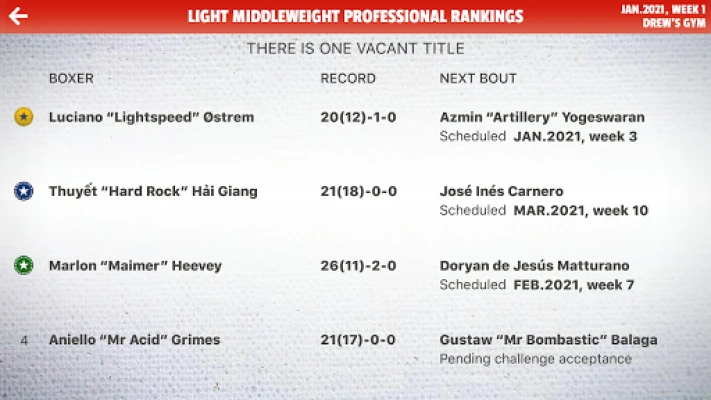
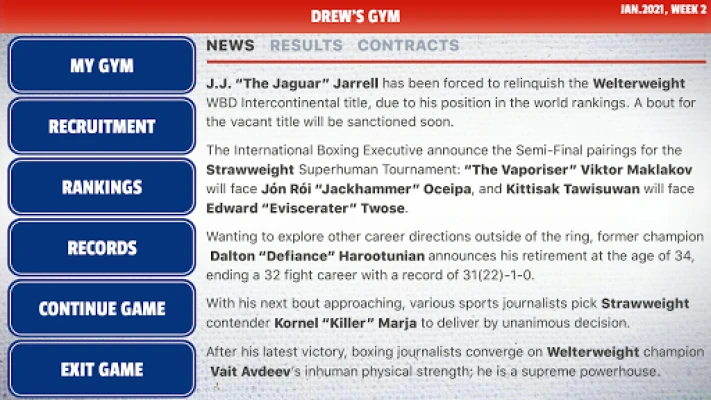
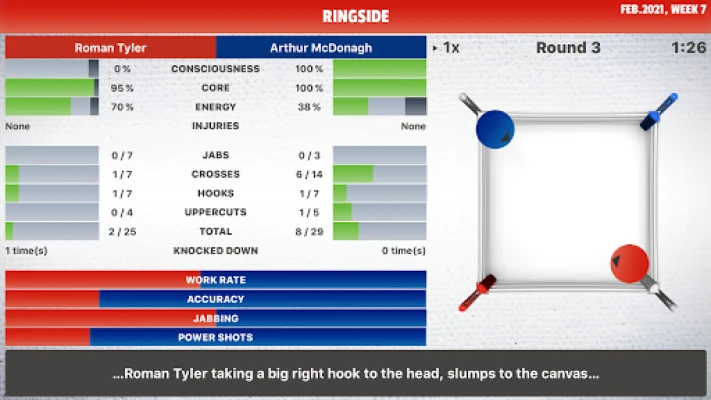
The boxing world is a dynamic arena where fortunes can change rapidly. A single loss can derail a fighter's career, stalling their momentum and opening the door for emerging talents to seize their position. Injuries sustained during matches can further complicate matters, diminishing a boxer's fitness and effectiveness in subsequent bouts unless they are granted adequate time to recover. Additionally, rivals seeking revenge may shift weight divisions, thwarting plans for immediate retribution.
Understanding the Peaks and Valleys of a Boxer’s Career
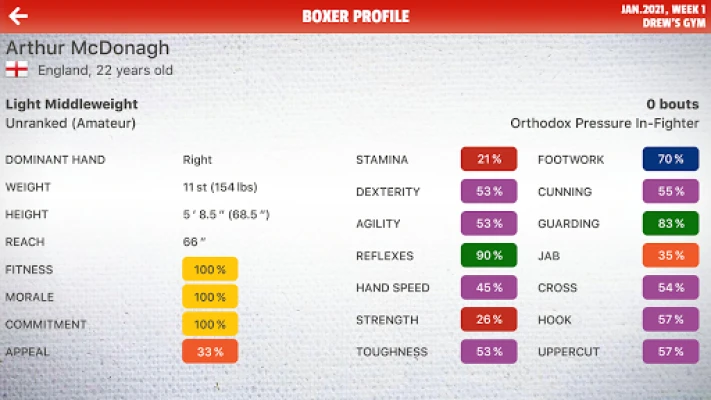
Every boxer experiences unique peaks at different stages of their career. As time progresses, age inevitably takes its toll, leading to a decline in physical abilities. Meanwhile, fresh-faced contenders rise through the ranks, eager to challenge established champions. Veteran fighters, on the other hand, often continue to compete long after their prime, driven by a desire to prove they still possess the skills to compete at a high level.
Charting the Course: Career Development Strategies
The journey to boxing glory is rarely straightforward. As a manager or promoter, you hold the reins in shaping your fighters' careers. You face critical decisions: Do you aggressively push them up the rankings, challenging tougher opponents at every opportunity, or do you adopt a more measured approach, focusing on skill development through a series of fights?
Choosing the Right Approach: Aggressive vs. Steady Progression
Opting for an aggressive strategy can yield quick rewards, but it also carries significant risks. A series of challenging bouts can lead to early career setbacks, including losses and injuries. Conversely, a steady progression allows boxers to hone their skills and build confidence, preparing them for the rigors of higher-level competition.
Weight Divisions: The Power of Strategy
Another crucial consideration is the choice of weight division. Do you prefer the fast-paced exchanges typical of lower weight classes, or do you favor the raw power found in heavier divisions? Each choice presents its own set of challenges and opportunities. Dominating a single weight class for an extended period can solidify a boxer's legacy, while moving between divisions can maximize title opportunities before physical decline sets in.
Retirement Decisions: The Fine Line Between Glory and Decline
One of the most challenging decisions in a boxer's career is when to retire. Do you allow your fighters to exit the sport undefeated, basking in the glory of their achievements, or do you encourage them to pursue one last title shot, even if their skills have begun to fade? This decision can significantly impact their legacy and overall well-being.
Defining Glory: Your Unique Vision
Ultimately, the definition of glory in boxing is subjective and varies from one individual to another. There is no definitive end-game in the sport; the journey is what you make of it. As a manager, promoter, or even a fan, your vision shapes the narrative of each fighter's career. Will you prioritize immediate success, or will you invest in long-term development? The choices you make will resonate throughout the boxing community, influencing not only your fighters but also the sport as a whole.
Conclusion: Embracing the Uncertainty of Boxing
The boxing landscape is fraught with uncertainty, but it is this unpredictability that makes the sport so captivating. Each decision carries weight, and the path to success is paved with both triumphs and setbacks. By understanding the intricacies of a boxer's career and making informed choices, you can navigate this slippery world and carve out a legacy that stands the test of time.
Rate the App
User Reviews















Popular Apps










Editor's Choice