
Latest Version
June 12, 2026
Preschool play N learn games for kids @Aashri Apps
Education
Android
0
Free
com.aashriapps.prelearn.num123
Report a Problem
More About Learn Numbers 123 for Kids
Unlocking Early Numeracy: A Comprehensive Guide to Teaching Numbers 123 for Toddlers
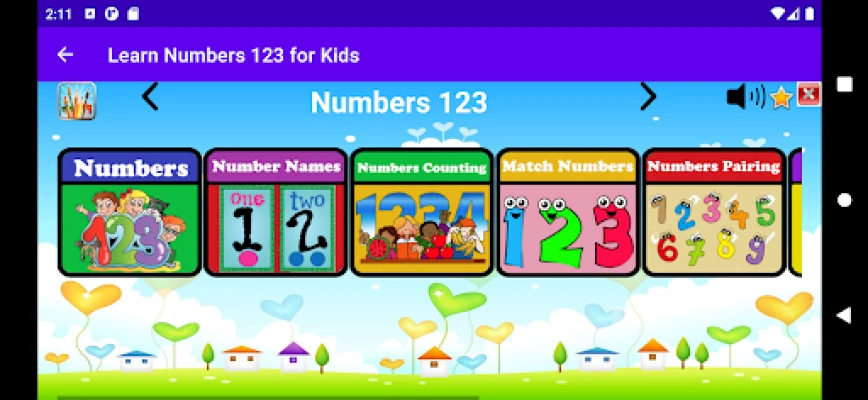
Introducing toddlers to the world of numbers is a thrilling adventure that lays the groundwork for their future learning. The program "Learn Numbers 123 for Toddlers" is crafted specifically for children aged 1 to 3 years, offering a vibrant and interactive approach to early numeracy. Through engaging activities, colorful visuals, and playful experiences, this guide aims to foster a love for learning while establishing essential counting skills. Join us as we explore the enchanting universe of numbers, filled with discovery and joy.
Understanding Toddler Development: The Foundation for Learning
To effectively teach numbers to toddlers, it’s crucial to understand their cognitive and learning abilities. At this stage, children are naturally curious and eager to explore their surroundings. Recognizing their readiness for early numeracy skills is vital. Play-based learning significantly enhances a toddler's understanding, allowing them to grasp concepts through exploration and interaction.
Introducing Counting and Numerals: The Basics
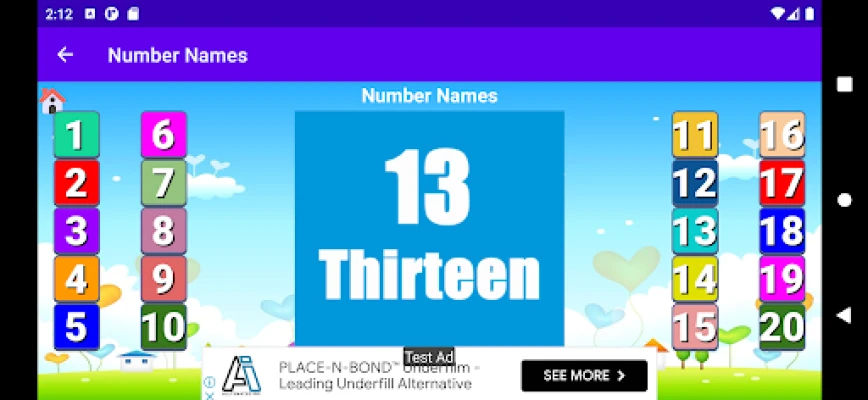
Counting is the first step in numerical understanding. Begin by introducing toddlers to the concept of counting and the order of numbers. Teaching them to recognize numerals and number symbols is essential. Utilize colorful visuals and everyday objects to illustrate numbers, making the learning process both fun and relatable.
Engaging Hands-On Activities for Number Recognition
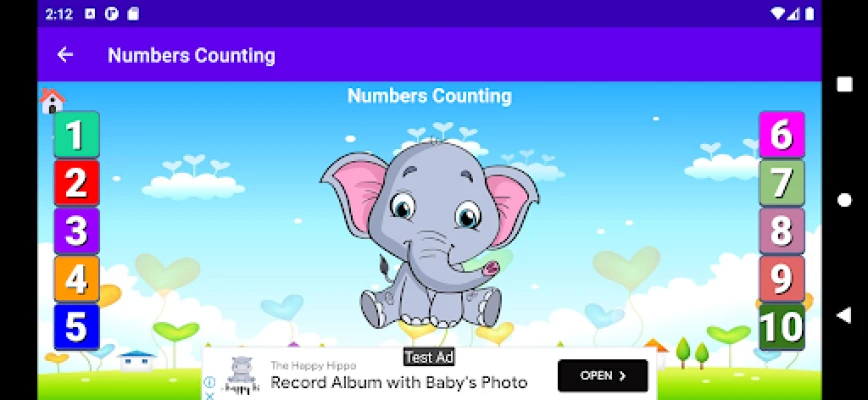
Hands-on activities are a fantastic way for toddlers to recognize and identify numbers. Incorporate counting into daily routines and playtime, transforming ordinary moments into learning opportunities. Activities like counting toys, snacks, or steps taken can build a strong numerical foundation through interactive play.
Exploring Numbers through Storytelling and Rhymes
Storytelling and rhymes are powerful tools for introducing numerical concepts. Use engaging narratives to make numbers come alive, fostering a love for mathematics through imaginative storytelling. Rhymes can help toddlers remember numbers and counting sequences, making learning enjoyable and memorable.
Playful Games for Counting and Number Sense
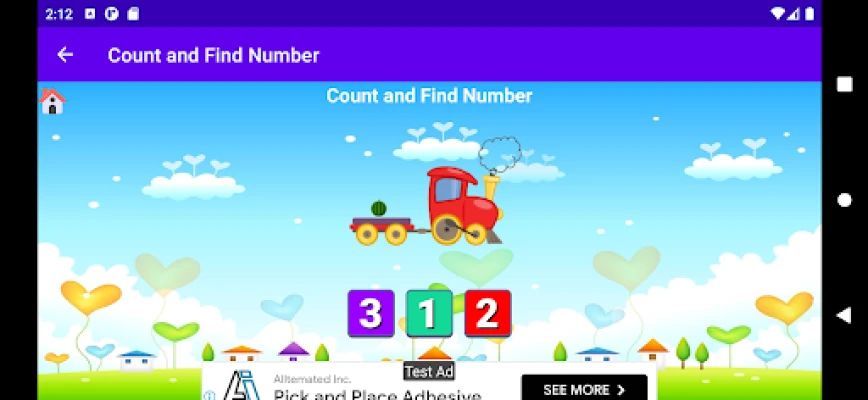
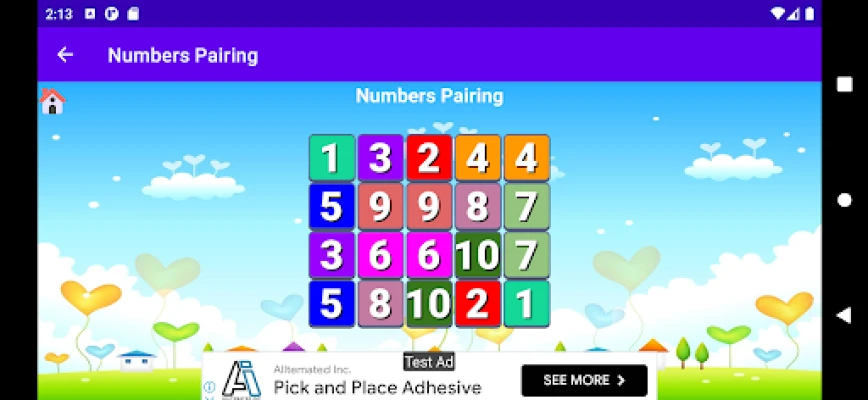
Interactive games are excellent for encouraging counting and developing number sense. Incorporate math into toddler-friendly games and toys, allowing children to discover numbers through play. The joy of learning through games not only enhances their understanding but also makes the process enjoyable.
Developing Basic Addition and Subtraction Skills
Once toddlers grasp counting, introduce simple addition and subtraction concepts. Use manipulatives and visuals to facilitate hands-on learning. Creating a positive and enjoyable experience with early math operations will help children develop a healthy attitude toward mathematics.
Building Numerical Confidence and Self-Esteem
Celebrate each toddler's progress in learning numbers, no matter how small. Encouraging a growth mindset and a positive attitude toward math is essential for nurturing numerical confidence and self-esteem. Recognizing achievements fosters a sense of accomplishment and motivates further exploration.
Integrating Numbers into the Toddler's Environment
Creating a number-rich environment reinforces learning. Use numerals in daily activities and routines, such as counting steps, identifying numbers on signs, or sorting objects by quantity. Making numbers a part of the toddler's world helps solidify their understanding and recognition of numerical concepts.
Fostering Numerical Curiosity and Exploration
Encourage toddlers to ask questions about numbers and support their natural curiosity. Provide opportunities for independent discovery, allowing them to explore numerical concepts at their own pace. This exploration fosters a deeper understanding and appreciation for mathematics.
Partnering with Parents for Numerical Learning
Engaging parents in their child's numerical development is crucial. Collaborate with them to extend learning at home, providing resources and activities that reinforce what toddlers learn in the program. Parents play a vital role as mathematical partners and advocates, supporting their child's journey in numeracy.
Conclusion: A Joyful Journey into the World of Numbers
"Learn Numbers 123 for Toddlers" is an effective and delightful program that introduces young children to the captivating world of numbers. Through a blend of interactive games, engaging activities, and playful exploration, toddlers develop a strong foundation in early numeracy skills. By creating a positive and enjoyable learning experience, this program ignites a lifelong love for numbers and learning, paving the way for future academic success. As educators and caregivers, we have the unique opportunity to witness the joy and excitement that comes with numerical discovery, guiding these young learners on their path to mathematical proficiency.
Rate the App
User Reviews













Popular Apps










Editor's Choice