


Latest Version
3.2
April 14, 2026
Smart Family Apps
Education
Android
0
Free
air.Fun.Learn.English.sfa
Report a Problem
More About Learn English with fun
Mastering English Numbers: A Comprehensive Guide for Educators
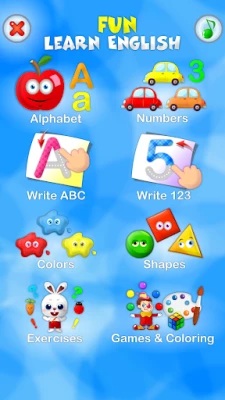
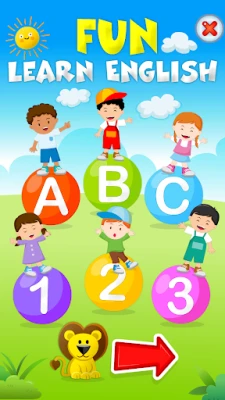
Teaching English numbers is a fundamental aspect of early education that lays the groundwork for mathematical understanding and literacy. This guide will explore effective strategies for teaching numbers, writing beautiful letters and numbers, recognizing shapes, identifying colors, and incorporating engaging games into the learning process.
Understanding the Importance of Teaching English Numbers
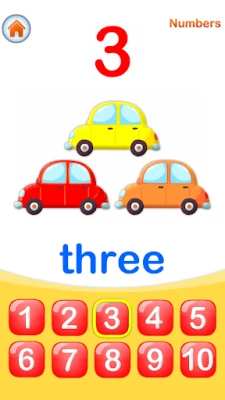
Numbers are not just symbols; they represent quantities and are essential for everyday communication. Mastering English numbers helps children develop critical thinking and problem-solving skills. By introducing numbers early, educators can foster a love for learning and prepare students for future academic success.
Writing Beautiful English Letters and Numbers
Encouraging students to write letters and numbers beautifully is crucial for their overall literacy development. Here are some effective techniques:
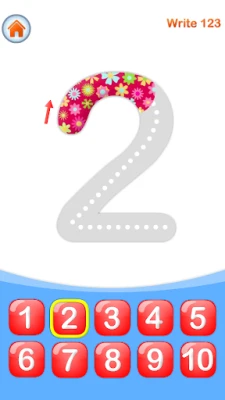
- Practice with Worksheets: Provide students with worksheets that feature dotted letters and numbers for tracing. This helps them develop fine motor skills and understand the correct formation of each character.
- Use Visual Aids: Display colorful charts that illustrate both letters and numbers. Visual aids can enhance memory retention and make learning more enjoyable.
- Incorporate Technology: Utilize educational apps that focus on writing skills. Many apps offer interactive features that make learning to write fun and engaging.
Learning Shapes: A Building Block for Number Recognition
Shapes are foundational to understanding numbers. Recognizing shapes helps children categorize and differentiate between various objects, which is essential for mathematical concepts. Here’s how to teach shapes effectively:
- Shape Sorting Activities: Use everyday objects to create sorting games. Ask students to group items based on their shapes, reinforcing their understanding through hands-on experience.
- Shape Art Projects: Encourage creativity by having students create art using different shapes. This not only reinforces shape recognition but also allows for self-expression.
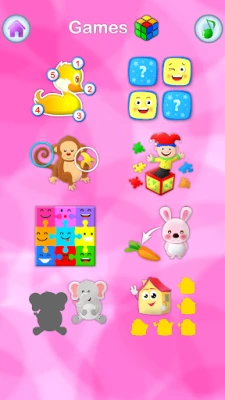
- Interactive Shape Games: Incorporate online games that focus on shape identification. These games can make learning more dynamic and enjoyable.
Exploring Colors: Enhancing Learning Through Visual Stimulation
Colors play a significant role in early education, as they can enhance memory and recognition skills. Here are some strategies to teach colors effectively:
- Colorful Classroom Environment: Decorate the classroom with vibrant colors. Use colored posters, charts, and materials to create a stimulating learning environment.
- Color Recognition Games: Engage students in games that involve identifying and naming colors. For example, a scavenger hunt for colored objects can be both fun and educational.
- Art and Craft Activities: Incorporate art projects that focus on color mixing and matching. This hands-on approach helps students understand colors in a practical context.
Incorporating Various Coloring Games for Enhanced Learning
Coloring games are an excellent way to reinforce learning while keeping students engaged. Here are some ideas for incorporating coloring games into your curriculum:
- Color by Number: Create worksheets where students color sections based on number codes. This activity combines number recognition with color identification, making it a dual-learning experience.
- Interactive Coloring Apps: Leverage technology by using coloring apps that allow students to color digitally. Many apps offer features that teach numbers and colors simultaneously.
- Collaborative Coloring Projects: Organize group coloring activities where students work together on large murals. This fosters teamwork and allows for social interaction while learning.
Conclusion: Fostering a Love for Learning Through Numbers, Shapes, and Colors
Teaching English numbers, letters, shapes, and colors is a multifaceted approach that can significantly impact a child's educational journey. By employing creative strategies and engaging activities, educators can create a rich learning environment that not only teaches essential skills but also instills a lifelong love for learning. Embrace these techniques to inspire your students and watch them thrive in their educational pursuits.
Rate the App
User Reviews














Popular Apps










Editor's Choice