





Latest Version
2.1.0
August 30, 2024
Political Simulation
Games
iOS
223.2 MB
0
Free
Report a Problem
More About Lawgivers LITE
Mastering Political Strategy: A Guide to Running for Elections
In the dynamic world of politics, understanding the intricacies of governance and election strategies is crucial for aspiring leaders. This article delves into the essential steps for launching a successful political campaign, navigating legislative processes, and fostering inter-party relationships. Whether you are a seasoned politician or a newcomer, these insights will equip you with the knowledge to make a significant impact.
1. Choose Your Political Party Wisely
The first step in your political journey is selecting a party that aligns with your values and vision. A well-defined party platform not only attracts voters but also sets the stage for your campaign promises. Research various political parties to understand their ideologies, policies, and public perception. This foundational choice will guide your actions and decisions throughout your political career.
2. Crafting Promises: Actions That Resonate with Citizens
Once you have chosen a party, the next step is to formulate actionable promises that resonate with the electorate. Engage with your community to identify their needs and concerns. By addressing these issues in your campaign, you can build trust and credibility. Ensure that your promises are realistic and achievable, as this will enhance your reputation and increase voter support.
3. Navigating the Legislative Landscape
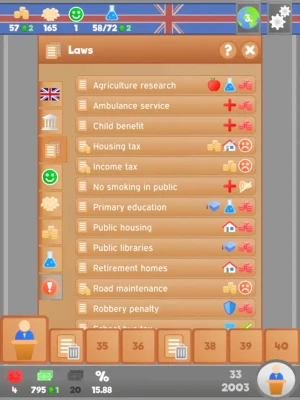
Understanding how to approve or abolish laws is a critical aspect of political leadership. Familiarize yourself with the parliamentary voting process, as this knowledge will empower you to advocate for or against legislation effectively. Building alliances within the parliament can facilitate smoother passage of laws that align with your party's agenda. Stay informed about current laws and proposed changes to position yourself as a knowledgeable leader.
4. Building Relationships with Other Political Parties
Collaboration is key in politics. Establishing strong relationships with other parties can lead to fruitful alliances and support during elections. Engage in dialogue and negotiations to find common ground on various issues. By fostering a spirit of cooperation, you can enhance your party's influence and effectiveness in governance. Additionally, these relationships can be instrumental in electing a president who reflects the collective interests of the political landscape.
5. The Importance of Lawmaker Experience, Popularity, and Loyalty
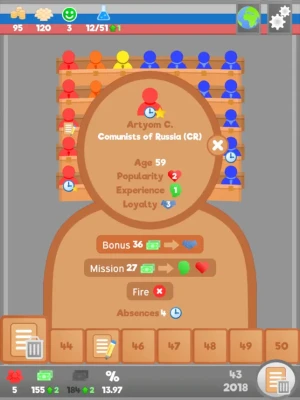
As a political leader, it is essential to prioritize the experience, popularity, and loyalty of lawmakers within your party. Experienced lawmakers bring valuable insights and expertise to the table, while popular figures can attract more voters. Loyalty among party members ensures a unified front, especially during challenging times. Invest in training and development programs to enhance the skills of your team, fostering a culture of loyalty and commitment.
6. Leading Your Country on the Global Stage
In an increasingly interconnected world, effective leadership extends beyond national borders. As a political leader, you must navigate international relations and represent your country on the global stage. Develop a comprehensive understanding of global issues, trade agreements, and diplomatic strategies. By positioning your country as a proactive participant in international affairs, you can enhance its reputation and influence worldwide.
LITE Edition: A Political Simulation Experience
For those interested in exploring the complexities of political strategy, the LITE edition offers an engaging simulation experience. This edition includes:
- Three playable nations: Germany, France, and Italy
- Over 80 ordinary and constitutional laws to navigate
- 32 scientific advances to explore and implement
Engage with the intricacies of governance and experience the challenges of political leadership firsthand. Visit www.somniumsoft.com to learn more about this immersive political simulation.
Conclusion
Embarking on a political career requires a strategic approach, a deep understanding of legislative processes, and the ability to build meaningful relationships. By following these guidelines, you can position yourself as a credible and effective leader, ready to make a difference in your community and beyond. Remember, successful political leadership is not just about winning elections; it’s about serving the people and fostering a better future for all.
Rate the App
User Reviews















Popular Apps










Editor's Choice