

Latest Version
April 30, 2026
SomniumSoft LLC
Games
Android
0
Free
com.SomniumSoft.LawgiversII
Report a Problem
More About Lawgivers II Lite
Exploring Global Political Systems: A Deep Dive into Governance and Influence
In today's interconnected world, understanding the various political systems that govern nations is crucial. From the first-past-the-post electoral system to the proportional d'Hondt representation, each system shapes the political landscape in unique ways. This article delves into the intricacies of political systems, the role of politicians, and the dynamics of legislative processes across the globe.
Diverse Political Systems: A Global Overview
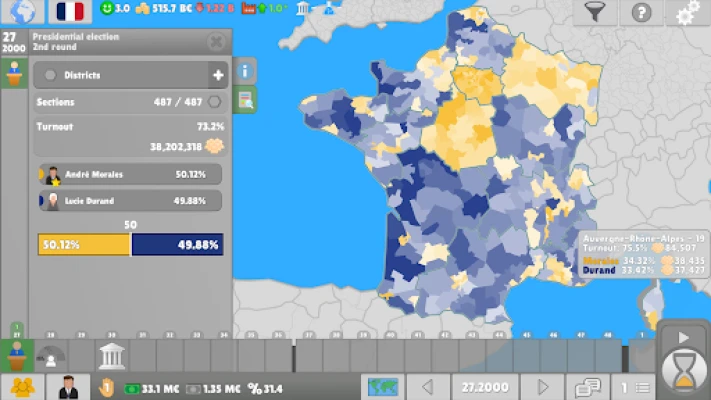
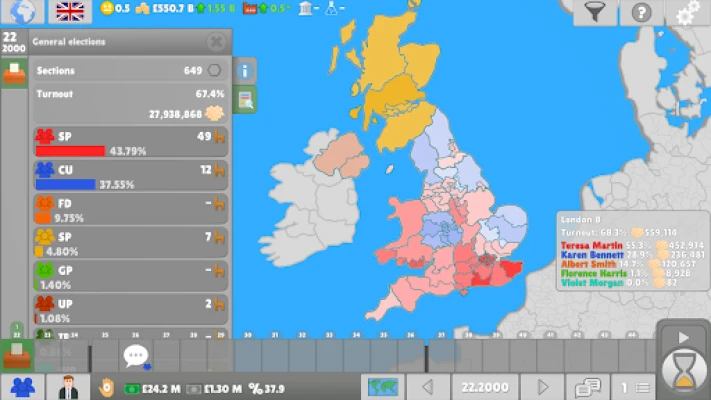
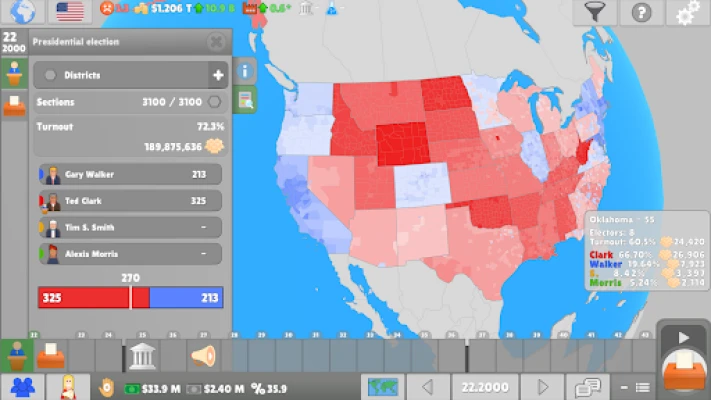
Political systems vary significantly from one country to another, influencing how power is distributed and exercised. The first-past-the-post system, commonly used in countries like the United States and the United Kingdom, awards victory to the candidate with the most votes, regardless of whether they achieve an absolute majority. In contrast, the d'Hondt method of proportional representation, utilized in many European nations, allocates seats in the legislature based on the percentage of votes each party receives, promoting a more equitable representation of diverse political views.
The Role of Politicians: Navigating Power and Influence
Within these political frameworks, politicians play a pivotal role. They often find themselves at a crossroads, deciding whether to pursue national prestige, enhance their party's influence, or seek personal gain. This multifaceted approach to governance can lead to a complex interplay of motivations, where the interests of the nation, party, and individual may align or conflict.
Legislative Processes: Proposing and Debating Bills
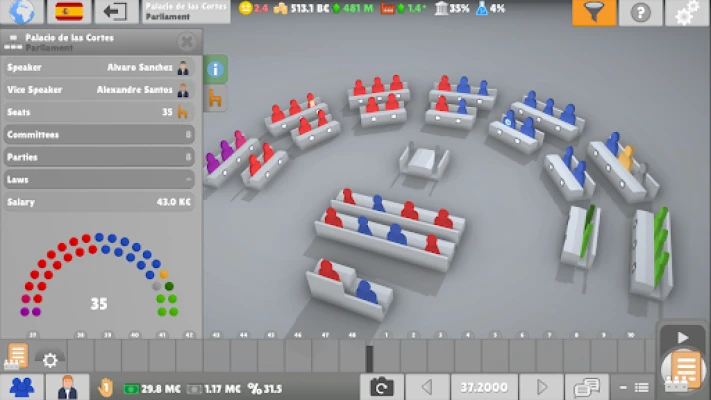
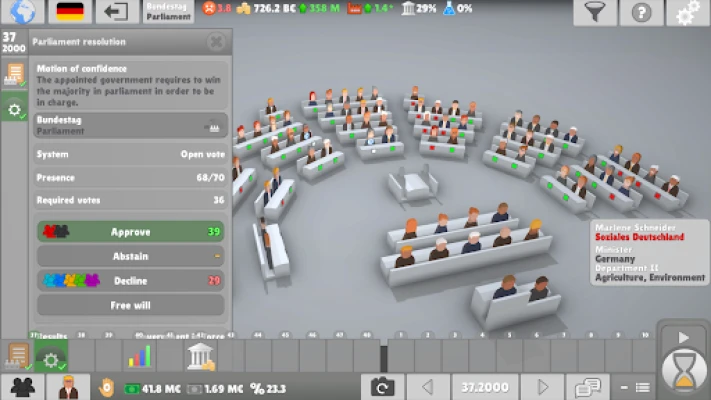
One of the core functions of politicians is to propose, debate, and vote on legislation that affects the economy, societal happiness, and global stability. In plenary sessions, lawmakers engage in rigorous discussions, weighing the potential impacts of proposed bills. These debates are not merely procedural; they are vital for shaping policies that resonate with the electorate and address pressing issues.
Building Alliances: The Art of Negotiation
In the realm of politics, forging alliances is essential. Politicians often negotiate deals with other parties or organizations to advance their agendas. Whether forming coalitions to pass legislation or collaborating on initiatives that benefit the public, these relationships can significantly influence the political landscape. The ability to unite diverse factions under a common goal is a testament to a politician's skill and strategic acumen.
Ethics in Politics: The Dark Side of Governance
While many politicians strive for integrity, the reality of political life can sometimes lead to unethical practices. The use of corruption and other dubious activities to amass black money or push through controversial laws is a troubling aspect of governance. Such actions can undermine public trust and destabilize the political system, highlighting the need for transparency and accountability in all political dealings.
Conclusion: The Complexity of Political Systems
Understanding the diverse political systems and the roles of politicians within them is essential for grasping the complexities of governance. From the electoral systems that determine representation to the legislative processes that shape laws, each element plays a crucial role in the functioning of a nation. As citizens, staying informed about these dynamics empowers us to engage meaningfully in the political discourse and advocate for a system that prioritizes the common good.
In conclusion, the interplay of political systems, the motivations of politicians, and the ethical considerations surrounding governance create a rich tapestry of global politics. By exploring these themes, we can better appreciate the challenges and opportunities that define our political landscape.
Rate the App
User Reviews















Popular Apps










Editor's Choice