Latest Version
1.1.2.1
September 12, 2024
Joni Nuutinen
Games
Android
0
$3.99
com.cloudworth.kiev
Report a Problem
More About Kiev: Largest WW2 Encirclement
The Historic Encirclement of Kiev: A Strategic Military Analysis
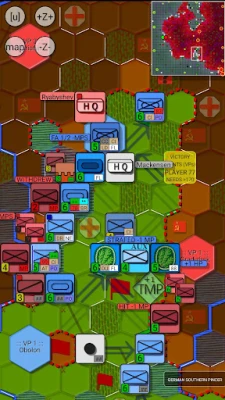
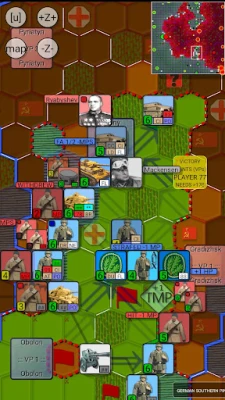
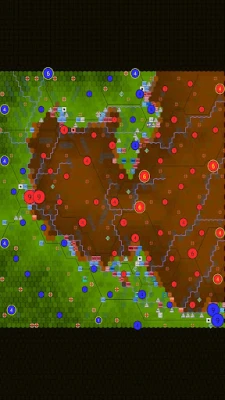
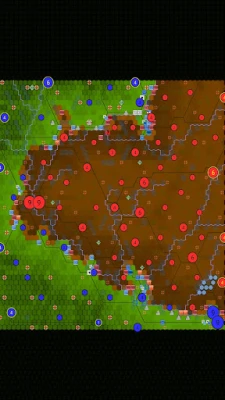
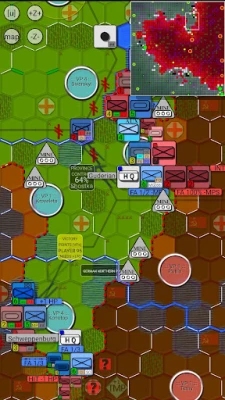
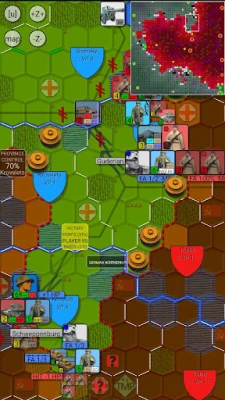
As the commander of the German armed forces during World War II, you face a pivotal moment in military history. Your objective is to orchestrate the largest encirclement ever attempted, utilizing two rapid panzer pincers—one advancing from the north and the other from the south—to encircle the vast formations of the Red Army stationed at and behind the city of Kiev.
Understanding the Historical Context
The southern region of the USSR held significant economic value, leading to the deployment of the most elite Soviet units in this area. Consequently, when the Germans launched their invasion in 1941, the southern group experienced the slowest advance. This delay would prove crucial in the unfolding events around Kiev.
Initially, the German command had planned to push the middle group towards Moscow, which had been evacuated and was largely unoccupied. However, a strategic pivot occurred when General Guderian's renowned panzer divisions were redirected southward, aiming to penetrate the rear of Kiev. This decision marked a turning point in the campaign, as it opened the door for a potential encirclement of a significant number of Soviet troops.
The Strategic Maneuver: Linking Forces
The success of this operation hinged on the ability of the southern panzer army to coordinate effectively. Tasked with capturing the industrial city of Dnepropetrovsk, they needed to advance northward to connect with Guderian's forces. If successful, this maneuver could isolate over a million Red Army soldiers, drastically shifting the balance of power on the Eastern Front.
Stalin's Stubbornness: A Critical Miscalculation
Despite the mounting pressure, Soviet leader Joseph Stalin remained resolute in his decision to retain forces in the Kiev area. Ignoring the advice of his generals, he continued to dispatch additional Red Army reserves to counter Guderian's armored advance. This refusal to evacuate the strategically vital region ultimately led to a catastrophic situation for the Soviet forces.
The Colossal Battle: A Clash of Titans
The ensuing battle around Kiev became a monumental clash, drawing in divisions from both sides. The overstretched German forces faced immense challenges as they struggled to encircle and contain an unprecedented number of Soviet armies within the operational area. The stakes were high, and the outcome would have lasting implications for the war.
Deciding the Course of Action: Narrow vs. Wide Attacks
As the commander, you must weigh your options carefully. Do you possess the nerve and tactical acumen to drive two narrow wedges deep into Soviet territory, executing a swift encirclement? Or do you opt for a broader, more methodical approach that may sacrifice speed for stability? The decision you make could determine the fate of the operation and the war itself.
The Risks of Overextension
One of the critical challenges in this operation is the risk of overextension. As your panzer pincers advance, the potential for them to become isolated or cut off increases. Maintaining communication and supply lines is essential to ensure that your forces can sustain their momentum and achieve the encirclement.
Conclusion: The Legacy of the Kiev Encirclement
The encirclement of Kiev stands as a testament to the complexities of military strategy and the unpredictable nature of warfare. The decisions made during this critical juncture not only shaped the course of the Eastern Front but also left an indelible mark on military history. As you navigate the challenges ahead, remember that every choice carries weight, and the outcome of this operation could alter the trajectory of the war.
In the end, the question remains: will you seize the opportunity to execute a historic encirclement, or will hesitation lead to missed chances and potential defeat? The battlefield awaits your command.
Rate the App
User Reviews







Popular Apps








Editor's Choice