
Latest Version
1.5.1
March 14, 2026
Intellijoy Educational Games for Kids
Games
Android
0
Free
com.intellijoy.sorting.lite
Report a Problem
More About Kids Learn to Sort Lite
Exploring the Dimensions of Learning: Activities for Every Skill Level
In the realm of education, understanding various concepts such as shape, size, color, numerical count, spatial direction, occupation, household area, clothing type, and animal habitat is essential for holistic development. This article delves into engaging activities designed to enhance these concepts, catering to different skill levels.
Understanding Shapes: A Foundation for Learning
Shapes are fundamental in early education, serving as building blocks for more complex concepts. Activities that focus on identifying and creating shapes can significantly enhance a child's spatial awareness.
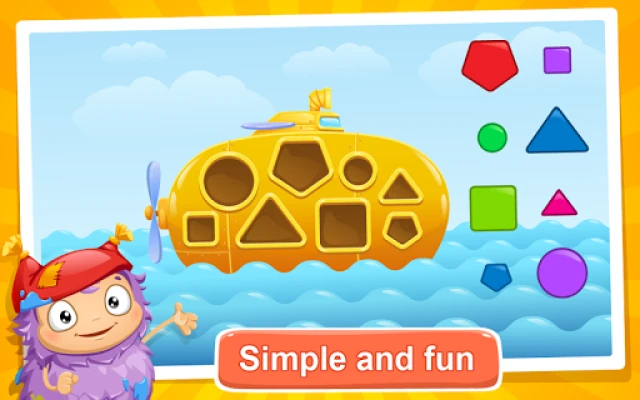
- Shape Sorting: Provide a variety of shapes and ask children to sort them based on their characteristics.
- Shape Art: Encourage creativity by having children create pictures using different shapes.
Exploring Size: From Small to Large
Understanding size helps children compare objects and develop critical thinking skills. Activities that incorporate size can be both fun and educational.
- Size Comparison Games: Use everyday objects to compare sizes, asking questions like "Which is bigger?" or "Which is smaller?"
- Building Blocks: Use blocks of various sizes to construct towers, emphasizing the concept of height and width.
The Color Spectrum: A Vibrant Learning Experience
Colors play a vital role in visual learning. Engaging children in color-related activities can enhance their ability to recognize and differentiate between hues.
- Color Hunt: Organize a scavenger hunt where children find objects of specific colors around the house or classroom.
- Mixing Colors: Use paints to teach children about primary and secondary colors through mixing.
Numerical Count: Building Mathematical Foundations
Counting is a crucial skill that lays the groundwork for mathematics. Activities that promote numerical counting can make learning enjoyable.
- Counting Games: Use toys or snacks to practice counting, making it interactive and fun.
- Number Line Activities: Create a number line on the floor and have children jump to the correct number as you call it out.
Spatial Direction: Navigating the World
Understanding spatial direction is essential for navigation and comprehension of the environment. Activities that focus on this concept can enhance cognitive skills.
- Obstacle Courses: Set up a simple obstacle course and give directions to navigate through it.
- Map Reading: Introduce basic map skills by using simple maps to find hidden treasures.
Occupations: Exploring the World of Work
Learning about different occupations helps children understand the roles people play in society. Engaging activities can spark interest in various career paths.
- Role-Playing: Create a role-play scenario where children can act out different jobs, such as a doctor, teacher, or firefighter.
- Occupation Matching: Provide pictures of various occupations and have children match them with the tools or uniforms associated with those jobs.
Household Areas: Understanding Our Living Spaces
Familiarity with household areas helps children navigate their environment. Activities that explore different rooms can enhance their understanding of home life.
- Room Identification: Show pictures of different rooms and ask children to identify them and their functions.
- Household Scavenger Hunt: Create a scavenger hunt where children find items in specific rooms.
Clothing Types: A Fashionable Learning Journey
Understanding clothing types is not only practical but also a fun way to learn about culture and seasons. Engaging activities can make this topic exciting.
- Dress-Up Play: Provide various clothing items for children to dress up and discuss the purpose of each type.
- Fashion Show: Organize a mini fashion show where children can showcase different outfits and explain their choices.
Animal Habitats: Discovering Nature's Diversity
Learning about animal habitats fosters a connection with nature and promotes environmental awareness. Activities that explore this topic can be both educational and entertaining.
- Habitat Dioramas: Have children create dioramas representing different animal habitats, such as forests, deserts, or oceans.
- Animal Matching Games: Use cards with pictures of animals and their habitats for matching activities.
Activity Versions: Lite vs. Full
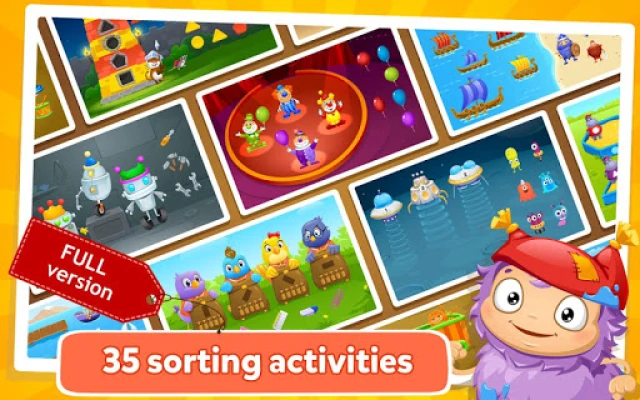
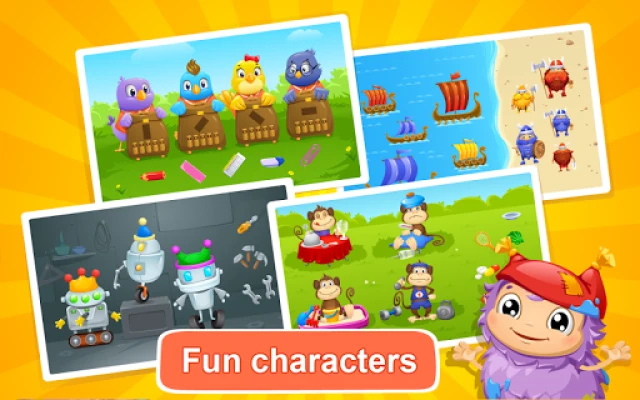
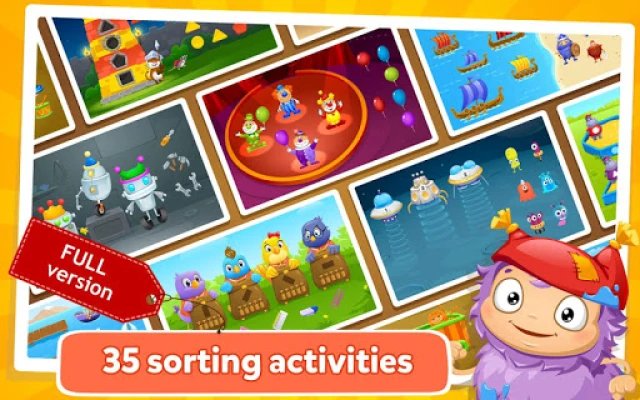
The lite version of this educational program includes five engaging activities, perfect for introducing these concepts in a fun and manageable way. For those seeking a more comprehensive experience, the full version offers 35 activities, progressively increasing in challenge to cater to developing skills.
Whether you choose the lite or full version, these activities are designed to foster learning through play, ensuring that children not only grasp essential concepts but also enjoy the process. By incorporating these engaging tasks into your educational routine, you can create a rich learning environment that nurtures curiosity and growth.
In conclusion, understanding shapes, sizes, colors, numerical counts, spatial directions, occupations, household areas, clothing types, and animal habitats is crucial for children's development. By utilizing a variety of activities tailored to different skill levels, educators and parents can effectively enhance learning experiences and foster a love for knowledge.
Rate the App
User Reviews












Popular Apps










Editor's Choice