

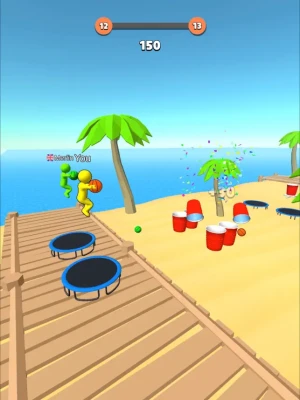
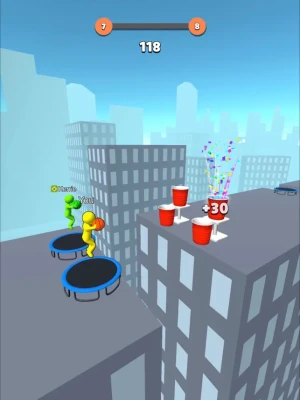
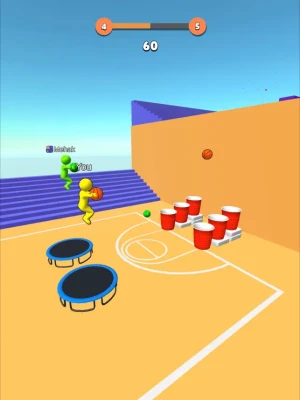
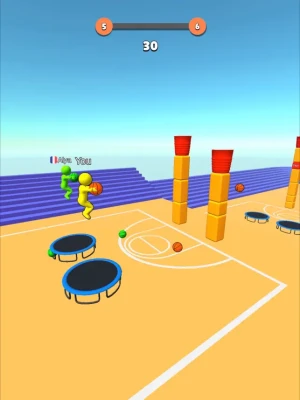
Latest Version
3.3.6
September 24, 2024
Voodoo
Games
iOS
265.8 MB
0
Free
Report a Problem
More About Jump Dunk 3D
Mastering Tap-Tap Controls: The Addictive Gameplay You Can't Resist
In the world of mobile gaming, simplicity often reigns supreme. One of the most engaging mechanics that has captured the hearts of players is the tap-tap control system. This intuitive method not only makes games easy to learn but also creates an addictive gameplay experience that keeps players coming back for more. In this article, we will explore the allure of tap-tap controls, their impact on gameplay, and why they have become a staple in modern gaming.
The Allure of Tap-Tap Controls
Tap-tap controls are designed to be user-friendly, allowing players of all ages to jump right into the action. The beauty of this control scheme lies in its simplicity. With just a tap of the finger, players can execute complex maneuvers, making it accessible for both casual gamers and seasoned veterans.
Many successful games utilize this mechanic, creating a seamless experience that encourages players to engage with the game for extended periods. The instant gratification of seeing immediate results from a simple tap keeps players hooked, fostering a sense of achievement and progression.
Why Addictive Gameplay Matters
In the competitive landscape of mobile gaming, developers strive to create experiences that captivate players. Addictive gameplay is crucial for retaining users and encouraging them to return. Tap-tap controls contribute significantly to this aspect by offering:
- Instant Feedback: Players receive immediate responses to their actions, which enhances the overall gaming experience.
- Progressive Difficulty: Many games gradually increase in difficulty, allowing players to master the controls while still being challenged.
- Social Interaction: Many tap-tap games incorporate leaderboards and multiplayer features, fostering a sense of community and competition.
Examples of Popular Tap-Tap Games
Several games have successfully harnessed the power of tap-tap controls, creating addictive experiences that have garnered millions of players worldwide. Here are a few notable examples:
1. Flappy Bird
This iconic game took the world by storm with its simple yet challenging gameplay. Players tap the screen to keep a bird in the air while navigating through a series of pipes. The frustration of failing combined with the ease of restarting made it incredibly addictive.
2. Piano Tiles
Piano Tiles revolutionized the rhythm game genre with its tap-tap mechanics. Players must tap black tiles while avoiding white ones, creating a fast-paced and exhilarating experience. The game’s increasing speed and complexity keep players engaged and eager to improve their scores.
3. Color Switch
Color Switch challenges players to navigate a bouncing ball through various obstacles by tapping the screen. The game’s vibrant graphics and simple controls make it appealing, while its progressively challenging levels ensure that players remain hooked.
Designing for Tap-Tap Gameplay
Creating a game that effectively utilizes tap-tap controls requires careful consideration of several design elements:
- Responsive Controls: Ensure that the game responds instantly to taps, providing a smooth and enjoyable experience.
- Visual Feedback: Incorporate animations and sound effects that reward players for their actions, enhancing the sense of achievement.
- Level Design: Craft levels that gradually increase in difficulty, allowing players to develop their skills while remaining engaged.
Conclusion: The Future of Tap-Tap Gaming
As mobile gaming continues to evolve, tap-tap controls will likely remain a popular choice among developers. Their ability to create addictive gameplay experiences makes them an invaluable tool in the gaming industry. Whether you’re a casual player or a hardcore gamer, the simplicity and excitement of tap-tap mechanics offer something for everyone.
In summary, the combination of easy-to-learn controls and engaging gameplay mechanics ensures that tap-tap games will continue to thrive. So, the next time you pick up your mobile device, consider diving into a tap-tap game and experience the addictive fun for yourself!
Rate the App
User Reviews














Popular Apps










Editor's Choice