

Latest Version
April 02, 2026
XTreme Team
Tools
Android
1
Free
com.irfan.proxy
Report a Problem
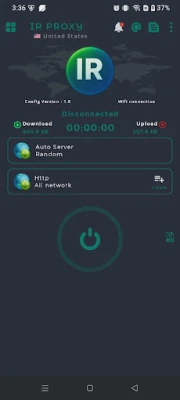
More About IR Proxy VPN
Unlocking the Power of VPNs: Your Guide to Secure and Private Internet Access
In today's digital landscape, ensuring your online privacy and security is more crucial than ever. A Virtual Private Network (VPN) serves as a powerful tool that extends a private network across public networks, allowing users to send and receive data as if they were directly connected to a secure private network. This article delves into the functionalities, benefits, and applications of VPNs, highlighting their importance in safeguarding your online presence.
What is a VPN?
A VPN, or Virtual Private Network, creates a secure tunnel between your device and the internet. This technology encrypts your data, making it nearly impossible for hackers or third parties to intercept your information. By masking your IP address, a VPN allows you to browse the web anonymously, enhancing your online privacy.
Key Features of VPNs
- Compatibility with Multiple Networks: VPNs work seamlessly with Wi-Fi, 5G, LTE/4G, and 3G networks, ensuring you can maintain a secure connection regardless of your internet service provider.
- No Usage or Time Limits: Many VPN services offer unlimited bandwidth and time, allowing you to browse, stream, and download without restrictions.
- No Registration or Configuration Required: User-friendly VPNs often require no complex setup, making it easy for anyone to enhance their online security.
Why Use a VPN?
Individuals and businesses alike utilize VPNs for various reasons, including:
1. Enhanced Security
VPNs encrypt your internet connection, protecting sensitive information such as passwords, credit card numbers, and personal data from cyber threats. This is particularly important when using public Wi-Fi networks, which are often vulnerable to attacks.
2. Bypassing Geo-Restrictions
Many online services restrict access based on geographic location. A VPN allows you to connect to servers in different countries, enabling you to access content that may be blocked in your region, such as streaming services or websites.
3. Protecting Your Identity
By masking your IP address, a VPN helps protect your identity and location from prying eyes. This is especially beneficial for users who wish to maintain their privacy while browsing the internet.
Understanding Mobile VPNs
Mobile VPNs are designed for users who frequently switch between different networks, such as cellular data and Wi-Fi. These VPNs are particularly useful in fields like public safety, where law enforcement officers need reliable access to critical applications while on the move.
Benefits of Mobile VPNs
- Seamless Connectivity: Mobile VPNs maintain a stable connection even when switching between networks, ensuring uninterrupted access to essential services.
- Access to Critical Applications: First responders can access vital databases and communication tools, enhancing their operational efficiency.
Limitations of VPNs
While VPNs offer numerous advantages, they are not a panacea for online privacy. It's important to understand their limitations:
1. Not Completely Anonymous
Although VPNs enhance privacy, they do not guarantee complete anonymity. Some websites may still track your activity through cookies or other means.
2. Potential for Data Leaks
In some cases, VPNs may experience data leaks, exposing your real IP address. Choosing a reputable VPN provider with strong security protocols can mitigate this risk.
Choosing the Right VPN
When selecting a VPN, consider the following factors:
- Security Features: Look for strong encryption standards and a no-logs policy to ensure your data remains private.
- Server Locations: A diverse range of server locations allows for better access to geo-restricted content.
- User Experience: Opt for a VPN with an intuitive interface and reliable customer support.
Conclusion
In an era where online privacy is paramount, VPNs provide a robust solution for securing your internet connection and protecting your personal information. Whether you're looking to bypass geo-restrictions, enhance your online security, or maintain your anonymity, a VPN can be an invaluable tool. By understanding the features, benefits, and limitations of VPNs, you can make an informed decision and choose the right service to meet your needs.
Investing in a reliable VPN not only safeguards your data but also empowers you to navigate the internet freely and securely. Embrace the power of VPN technology and take control of your online experience today.
Rate the App
User Reviews














Popular Apps










Editor's Choice