




Latest Version
November 25, 2024
Playstack
Games
Android
0
Free
com.playstack.idlezoo
Report a Problem
More About Idle Safari
Transform Your Zoo Park: Strategies for Success and Growth
Creating a thriving zoo park requires a strategic approach that balances animal welfare, guest experience, and operational efficiency. Here’s how to start small and expand your zoo into a premier wildlife destination.
Start Small and Scale Up
Every successful zoo begins with a solid foundation. Focus on establishing a few well-designed enclosures that prioritize animal welfare and guest engagement. By starting small, you can manage resources effectively and ensure that each animal receives the care it deserves. As your zoo gains popularity, gradually expand your collection and facilities to accommodate more species and enhance visitor experiences.
Attract Guests with Exceptional Wildlife Enclosures
One of the most effective ways to draw visitors to your zoo is by creating captivating wildlife enclosures. Design habitats that mimic the animals' natural environments, allowing them to thrive while providing guests with an immersive experience. Incorporate interactive elements, such as viewing platforms and educational signage, to engage visitors and foster a deeper appreciation for wildlife. The more unique and appealing your enclosures, the more likely guests will return and recommend your zoo to others.
Rescue, Protect, and Feed: A Commitment to Animal Welfare
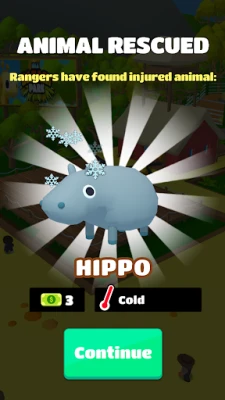
Your zoo should prioritize the rescue and rehabilitation of animals in need. Establish partnerships with wildlife rescue organizations to provide a safe haven for injured or orphaned animals. By focusing on their recovery and eventual return to the wild, you not only fulfill a vital role in conservation but also enhance your zoo's reputation. Ensure that each animal receives proper nutrition and care, creating a sanctuary that reflects your commitment to animal welfare.
Incorporate Larger Animals into Your Collection
Adding larger animals to your zoo park can significantly enhance its appeal. Species such as elephants, lions, and giraffes attract visitors and create memorable experiences. However, housing larger animals requires careful planning and resources. Ensure that you have the necessary space, facilities, and expertise to care for these majestic creatures. By doing so, you can create a diverse and exciting collection that captivates guests of all ages.
Manage Animal Attractions Effectively
To maintain a successful zoo park, effective management of animal attractions is crucial. Regularly assess the health and well-being of your animals, ensuring they are comfortable and engaged in their environments. Implement enrichment programs that stimulate their natural behaviors and keep them active. Additionally, train staff to provide informative and engaging presentations that educate visitors about the animals and their habitats. This not only enhances the guest experience but also fosters a sense of responsibility towards wildlife conservation.
Enhance Your Zoo Park Rating and Upgrade Enclosures
Improving your zoo park's rating is essential for attracting more visitors and securing funding for future projects. Regularly solicit feedback from guests and use it to make informed improvements. Upgrade enclosures to meet the highest standards of animal care and guest experience. Consider incorporating sustainable practices, such as solar energy and water conservation systems, to enhance your park's reputation as an environmentally responsible facility. By prioritizing quality and sustainability, you can position your zoo as the best safari experience in the idle world.
Conclusion: A Vision for the Future
Transforming your zoo park into a leading wildlife destination requires dedication, creativity, and a commitment to animal welfare. By starting small, creating exceptional enclosures, and focusing on rescue and rehabilitation, you can build a thriving park that captivates guests and supports wildlife conservation. With effective management and continuous improvement, your zoo can become a beloved community asset and a sanctuary for animals in need.
Rate the App
User Reviews















Popular Apps










Editor's Choice