
Latest Version
May 28, 2025
Haikei
Games
Android
0
Free
com.haikei.hourramanagerfootball
Report a Problem
More About Hourra Manager Football
Elevate Your Team's Performance: Mastering Game Analysis and Strategy
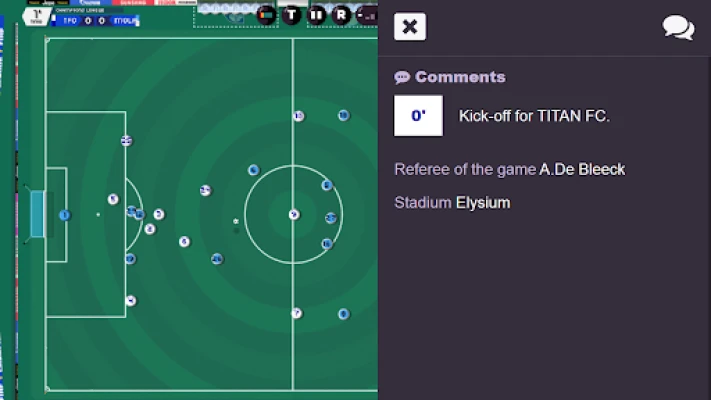
In the competitive world of football management, understanding your team's dynamics and your opponents' strategies is crucial. By watching your team's games in 2D, you can gain valuable insights into their performance. This feature allows you to analyze tactics, identify weaknesses, and develop effective strategies to enhance your team's gameplay.
Comprehensive Game Analysis
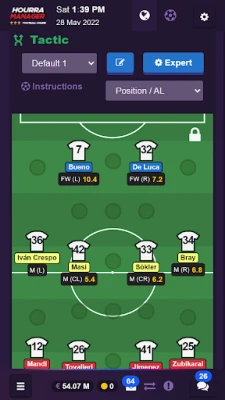
Utilizing 2D game analysis provides a unique perspective on both your team's and your opponents' performances. This tool enables you to dissect every play, understand player movements, and evaluate tactical formations. By closely observing your matches, you can pinpoint areas for improvement and devise plans to exploit your opponents' vulnerabilities.
Friendly Matches and Tournaments: Opportunities for Growth
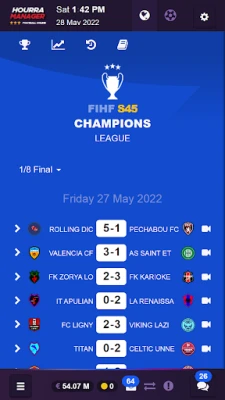
As a manager, you have the flexibility to schedule friendly matches and participate in tournaments at any time. These opportunities not only allow your team to gain valuable experience but also serve as a platform to test new strategies and player combinations. Engaging in various competitions helps build team chemistry and prepares your squad for the challenges ahead.
Aiming for Glory: Climbing the Football Ladder
Your primary objective as a football manager is to lead your team to the pinnacle of world football. This journey involves competing in multiple national championships, prestigious cups, and European tournaments. For those fortunate enough to ascend to the role of national team coach, the opportunity to compete in the Nations League adds another layer of excitement and challenge.
Realistic Transfers and Mercato Periods
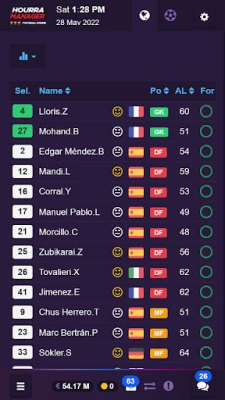
In the realm of football management, player transfers play a pivotal role in shaping your team's success. The game incorporates realistic transfer mechanics, including designated mercato periods. This feature allows you to strategically acquire new talent, ensuring your squad remains competitive. Additionally, an auction system enhances the transfer experience, providing a dynamic marketplace for player transactions.
Strategic Planning for Success
To achieve your goals, it's essential to engage in strategic planning. Analyze your team's strengths and weaknesses, and develop a comprehensive game plan that aligns with your objectives. Utilize the insights gained from 2D game analysis to make informed decisions regarding player development, formations, and match tactics.
Building a Winning Team Culture
Creating a positive team culture is vital for long-term success. Foster an environment where players feel valued and motivated to perform at their best. Encourage open communication, teamwork, and a shared vision for success. A cohesive team is more likely to overcome challenges and achieve greatness on the field.
Conclusion: Your Path to Football Management Success
In conclusion, mastering game analysis, engaging in friendly matches, and navigating the complexities of player transfers are essential components of successful football management. By leveraging these tools and strategies, you can elevate your team's performance and work towards achieving your ultimate goal: dominating the world of football. Embrace the challenges, learn from each experience, and lead your team to victory!
Rate the App
User Reviews













Popular Apps










Editor's Choice