


Latest Version
155\"},{\"releaseDate\":\"2019-03-29
September 26, 2025
High School Life in Japan
Games
iOS
263.5 MB
0
Free
Report a Problem
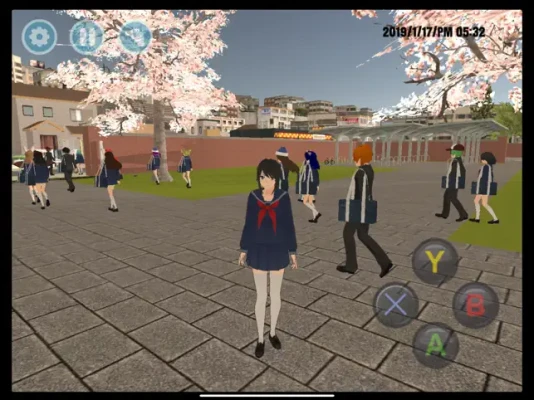
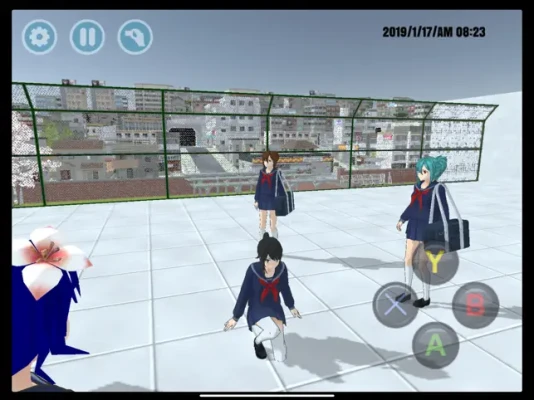
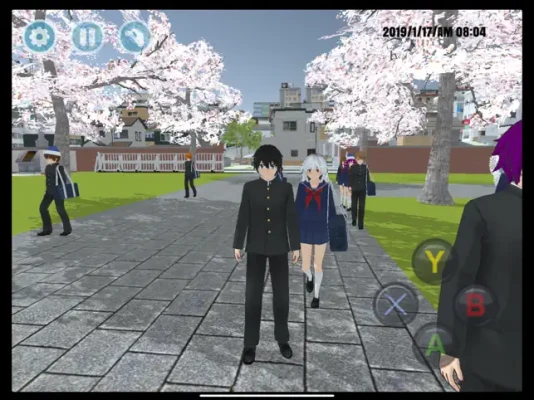
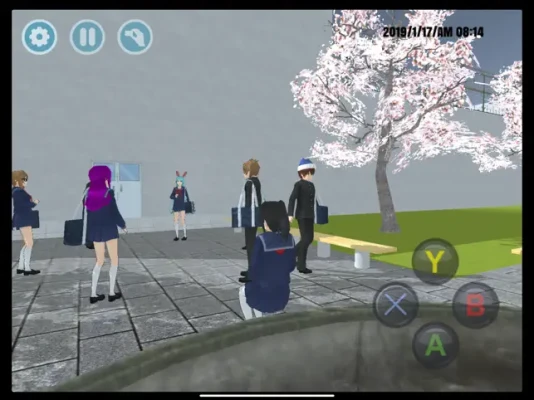
More About High School Simulator 2018
Enhancing Student Experience: Customization for Boys and Girls
In today's educational landscape, the ability to customize learning experiences for both boys and girls has become increasingly important. The 2018 version of educational programs has significantly improved the quality of schooling and the overall student experience. This article explores the benefits of customization in education and how it contributes to better outcomes for students.
The Importance of Customization in Education
Customization in education refers to tailoring learning experiences to meet the unique needs of each student. This approach recognizes that boys and girls may have different learning styles, interests, and strengths. By providing personalized learning paths, educators can enhance engagement and foster a deeper understanding of the material.
Benefits of Tailored Learning Experiences
Implementing customized educational strategies offers numerous advantages:
- Increased Engagement: When students see that their individual preferences are considered, they are more likely to participate actively in their learning process.
- Improved Academic Performance: Tailored approaches can lead to better comprehension and retention of information, resulting in higher grades and test scores.
- Enhanced Social Skills: Customization allows for collaborative projects that encourage teamwork and communication among students, fostering essential social skills.
- Boosted Confidence: Personalized learning helps students recognize their strengths and areas for improvement, building their self-esteem and motivation.
How the 2018 Version Revolutionized Education
The 2018 version of educational programs introduced innovative strategies and tools designed to enhance the quality of education. Key improvements include:
1. Advanced Learning Technologies
With the integration of technology, educators can now offer interactive and engaging learning experiences. Tools such as educational apps, online resources, and virtual classrooms allow for a more dynamic approach to teaching, catering to various learning styles.
2. Data-Driven Insights
Educators can now utilize data analytics to track student progress and identify areas where customization is needed. This data-driven approach enables teachers to make informed decisions about instructional strategies, ensuring that each student receives the support they require.
3. Collaborative Learning Environments
The 2018 version emphasizes the importance of collaboration among students. Group projects and peer-to-peer learning opportunities encourage students to share their knowledge and learn from one another, creating a more inclusive and supportive educational atmosphere.
Implementing Customization in the Classroom
To effectively implement customization in education, educators can consider the following strategies:
1. Assess Individual Learning Styles
Understanding the unique learning styles of each student is crucial. Educators can use assessments and observations to identify whether a student learns best through visual, auditory, or kinesthetic methods, allowing for tailored instructional approaches.
2. Foster Open Communication
Encouraging open dialogue between students and teachers helps create a supportive environment where students feel comfortable expressing their needs and preferences. This communication is vital for effective customization.
3. Provide Flexible Learning Options
Offering a variety of learning materials and activities allows students to choose what resonates with them. This flexibility can include project-based learning, hands-on activities, and digital resources, catering to diverse interests and abilities.
Conclusion: A Brighter Future for Education
Customization in education is not just a trend; it is a necessary evolution in how we approach teaching and learning. The improvements introduced in the 2018 version have set a new standard for educational quality, ensuring that both boys and girls receive the personalized support they need to thrive. By embracing tailored learning experiences, educators can create a more engaging, effective, and inclusive educational environment that prepares students for success in their academic and personal lives.
Rate the App
User Reviews















Popular Apps










Editor's Choice