
Latest Version
1.0
November 04, 2024
Can you save your allies?
Games
iOS
192.4 MB
0
Free
Report a Problem
More About HeliCover
Mastering Aerial Support: Protect Your Allies from Above
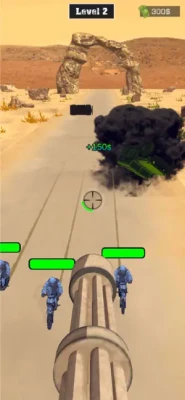
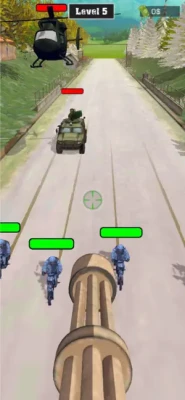
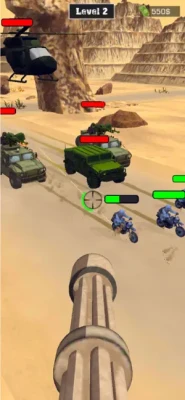
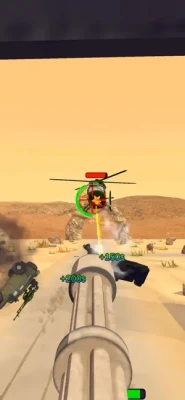
In the heat of battle, every second counts. When your allies are on the run, the stakes are high, and the pressure is on. This article delves into the critical role of aerial support in combat scenarios, focusing on how to effectively cover your teammates from a helicopter while they evade ground attackers. Can you ensure their survival and neutralize the threats before it’s too late? Let’s explore the strategies and techniques that can make all the difference.
The Importance of Aerial Support in Combat
Aerial support plays a pivotal role in modern warfare. It provides a strategic advantage, allowing for real-time surveillance and rapid response to threats. When your allies are under fire, having a helicopter at your disposal can turn the tide of battle. Understanding how to leverage this advantage is essential for any combat strategist.
Understanding the Battlefield Dynamics
Before engaging in aerial support, it’s crucial to assess the battlefield dynamics. This includes understanding the terrain, the positions of both your allies and enemies, and the potential escape routes. Knowledge of these factors will enable you to make informed decisions and execute effective maneuvers.
Analyzing Enemy Positions
Identifying where the enemy is located is vital. Use your helicopter’s advanced optics and reconnaissance capabilities to spot enemy positions. This information allows you to prioritize targets and plan your approach strategically. Remember, the element of surprise can be your greatest ally.
Communicating with Ground Forces
Effective communication between the helicopter crew and ground forces is essential. Establish a clear line of communication to coordinate movements and share critical information. This ensures that everyone is on the same page and can react swiftly to changing circumstances.
Executing Aerial Cover: Techniques and Strategies
Once you have a clear understanding of the battlefield and have established communication, it’s time to execute your aerial cover. Here are some techniques and strategies to consider:
1. Maintain a Tactical Altitude
Flying at the right altitude is crucial for effective aerial support. Too high, and you may lose sight of your allies; too low, and you risk becoming an easy target for enemy fire. Find a balance that allows you to observe the situation while remaining out of reach of ground-based threats.
2. Utilize Suppressive Fire
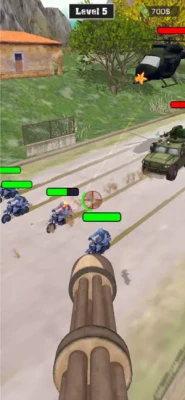
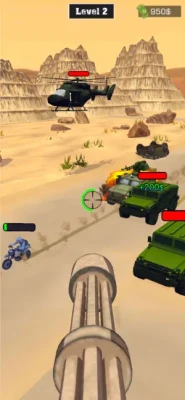
When your allies are fleeing, providing suppressive fire can help keep enemies at bay. Use your helicopter’s mounted weapons to target enemy positions, creating a safe corridor for your allies to escape. Aim for precision to minimize collateral damage and ensure the safety of your teammates.
3. Execute Flanking Maneuvers
Flanking maneuvers can be highly effective in disorienting the enemy. Position your helicopter to attack from unexpected angles, catching the enemy off guard. This tactic not only protects your allies but also disrupts the enemy’s focus and coordination.
Adapting to Changing Situations
In combat, situations can change rapidly. Being adaptable is key to successful aerial support. Stay alert and be prepared to adjust your tactics based on the evolving battlefield conditions. Whether it’s repositioning your helicopter or changing your approach to target engagement, flexibility can save lives.
Monitoring Fuel and Resources
Always keep an eye on your helicopter’s fuel levels and ammunition. Running low on resources can compromise your ability to provide effective support. Plan your operations accordingly, ensuring that you have enough fuel and munitions to sustain your aerial cover until your allies are safe.
Post-Engagement Assessment
After the engagement, conduct a thorough assessment of the situation. Evaluate the effectiveness of your aerial support and gather feedback from your allies. This information is invaluable for improving future operations and ensuring that you can provide even better support next time.
Conclusion: The Art of Aerial Support
Mastering the art of aerial support requires skill, strategy, and quick thinking. By understanding the battlefield dynamics, communicating effectively, and executing precise maneuvers, you can protect your allies and neutralize threats from above. Remember, in the world of combat, every decision matters, and your ability to adapt can mean the difference between life and death. Stay vigilant, stay prepared, and always be ready to cover your allies when they need you the most.
Rate the App
User Reviews














Popular Apps










Editor's Choice