


Latest Version
10.1.0
June 11, 2026
Pipi Chick Studio
Games
Android
0
Free
ch.aorlinn.bridges
Report a Problem
More About Hashi (Bridges)
Mastering Hashi: The Ultimate Guide to Connecting Islands
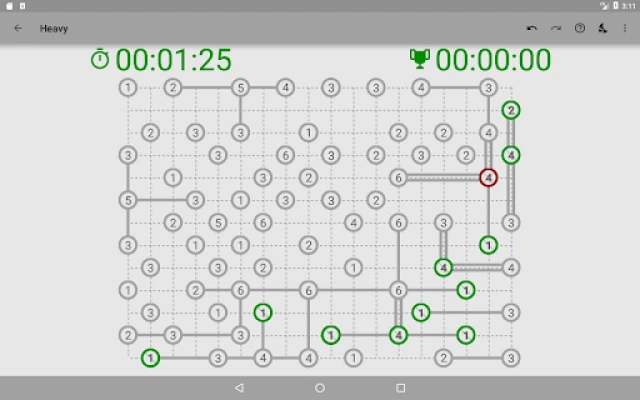
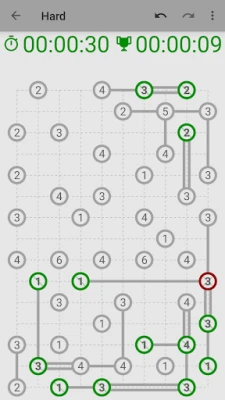
Hashi, also known as Hashiwokakero, is a captivating puzzle game that challenges players to connect islands with bridges, adhering to specific rules. The objective is to create a closed network where every island is interconnected, ensuring that no bridges cross each other. This article delves into the intricacies of Hashi, offering strategies, features, and a brief history of this engaging game.
Understanding the Basics of Hashi
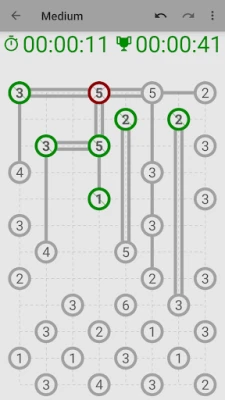
The primary goal of Hashi is to connect every island with a number of bridges equal to the number displayed on each island. Players can build either one or two bridges between two islands. Winning the game requires forming a complete network where all islands are connected, either directly or indirectly. However, players must be cautious, as bridges cannot cross one another.
Unique Gameplay Experience
One of the most appealing aspects of Hashi is its unique gameplay experience. Each game is generated randomly, providing an endless supply of puzzles to solve without any cost. This feature ensures that players can enjoy the game repeatedly without the need for payment.
Key Features of Hashi
- Unlimited puzzles available for free
- Undo and redo options for strategic gameplay
- Timer and personal high score tracking
- Automatic game saving for convenience
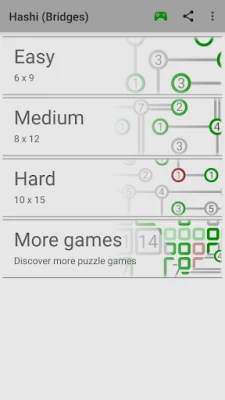
- Multiple difficulty levels to challenge players
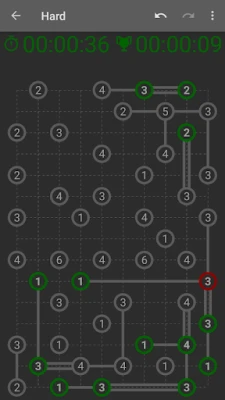
- Night mode for comfortable play in low light
- Detailed help section for guidance
- Leaderboards to compare scores with others
- Achievements to unlock as you progress
How to Play Hashi
The gameplay of Hashi is straightforward. To connect islands, simply tap on the island you wish to connect, drag your finger to the target island, and release to build a bridge. Repeat this process to create two bridges or to remove existing ones. The simplicity of the controls makes it accessible for players of all ages.
Exploring Different Levels
Hashi offers various levels with different field sizes, catering to both beginners and seasoned players. Don’t hesitate to tackle more challenging levels, as the game automatically saves your progress, allowing you to return later without losing your place.
Effective Strategies for Success
To excel in Hashi, employing effective strategies is crucial. Here are some tips to enhance your gameplay:
Start with High-Numbered Islands
Begin your puzzle-solving journey by focusing on the islands with the highest numbers. Building bridges from these islands reduces the available options for other islands, forcing you to make strategic connections.
Understand Bridge Requirements
For instance, an island with a value of 3 located in a corner requires at least one bridge in every direction. Similarly, an island with a value of 5 along a side and an island with a value of 7 in the center will also need bridges extending in multiple directions. Pay attention to the requirements of corner islands, as they often have limited options.
Monitor Island Options
Keep a close eye on islands that are running out of options. For example, if you have an island with a value of 1 and several possible connections, make the connection as soon as three options are blocked by bridges. This proactive approach can prevent you from getting stuck later in the game.
Maintain a Single Network
Always remember that all islands must be part of a single network. Certain connections, such as linking two islands with a value of 1, are not permissible. Ensuring that all islands are interconnected is vital for winning the game.
A Brief History of Hashi
The origins of Hashi date back to September 1990 when it was first published in the magazine Puzzle Communication Nikoli. Although an earlier version of the game appeared in December 1989, it was the 1990 release that popularized Hashi among puzzle enthusiasts. Over the years, the game has evolved, but its core mechanics remain beloved by players worldwide.
Conclusion: Dive into the World of Hashi
Hashi offers a unique blend of strategy and puzzle-solving that captivates players of all ages. With its unlimited puzzles, various difficulty levels, and engaging gameplay, it’s no wonder that Hashi has stood the test of time. Whether you’re a newcomer or a seasoned player, the strategies outlined in this guide will help you master the game and enjoy countless hours of fun. So, gather your wits, connect those islands, and embark on your Hashi adventure today!
Rate the App
User Reviews














Popular Apps










Editor's Choice