

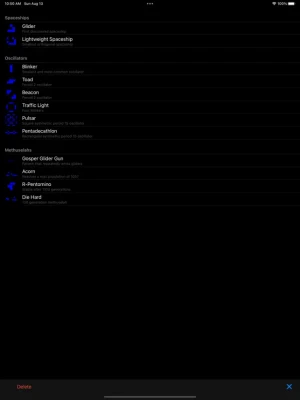




Latest Version
3.0
September 04, 2024
See your patterns come alive!
Games
iOS
517.1 KB
1
Free
Report a Problem
More About Game of Life Cellular Automata
Ultimate Guide to Optimizing Your iPhone and iPad Experience
In today's fast-paced digital world, maximizing the functionality of your iPhone and iPad is essential. Whether you're a casual user or a tech enthusiast, understanding how to optimize your devices can significantly enhance your experience. This guide will explore various tips and tricks to help you get the most out of your Apple devices.
Understanding Your iPhone and iPad Features
Apple's iPhone and iPad come packed with features designed to improve usability and performance. Familiarizing yourself with these features is the first step toward optimization.
1. Mastering the Home Screen
Your home screen is the gateway to your apps and functionalities. Organizing your apps into folders can streamline your access to frequently used applications. Consider grouping similar apps together, such as social media, productivity, and entertainment, to enhance your workflow.
2. Utilizing Widgets
Widgets provide at-a-glance information without needing to open an app. By adding widgets to your home screen, you can quickly check the weather, calendar events, or news updates. To add a widget, simply long-press on the home screen, tap the "+" icon, and select your desired widget.
Enhancing Performance and Battery Life
Performance and battery life are crucial for a seamless user experience. Here are some strategies to enhance both:
1. Regular Software Updates
Keeping your iPhone and iPad updated ensures you have the latest features and security enhancements. To check for updates, navigate to Settings > General > Software Update. Regular updates can also improve device performance.
2. Managing Background App Refresh
Background App Refresh allows apps to update content in the background. While this feature can be useful, it can also drain your battery. To manage this, go to Settings > General > Background App Refresh and select which apps you want to allow to refresh in the background.
3. Optimizing Battery Settings
To extend your battery life, consider enabling Low Power Mode. This feature reduces background activity and optimizes performance. Activate it by going to Settings > Battery and toggling on Low Power Mode.
Maximizing Storage Space
Storage management is vital for maintaining optimal device performance. Here are some effective strategies:
1. Reviewing Storage Usage
To see how much storage you have left, go to Settings > General > iPhone Storage (or iPad Storage). This section provides a breakdown of storage usage by app, allowing you to identify which apps consume the most space.
2. Offloading Unused Apps
If you have apps that you rarely use, consider offloading them. This feature removes the app but keeps its data, allowing you to reinstall it later without losing any information. To enable offloading, go to Settings > General > iPhone Storage and select Enable next to Offload Unused Apps.
3. Utilizing Cloud Storage
Cloud storage solutions like iCloud, Google Drive, or Dropbox can help you free up space on your device. By storing photos, videos, and documents in the cloud, you can access them anytime without taking up local storage. To enable iCloud Photos, go to Settings > Your Name > iCloud > Photos and toggle on iCloud Photos.
Improving Security and Privacy
Security and privacy are paramount in today's digital landscape. Here are some tips to enhance the security of your iPhone and iPad:
1. Enabling Two-Factor Authentication
Two-factor authentication adds an extra layer of security to your Apple ID. To enable it, go to Settings > Your Name > Password & Security and select Two-Factor Authentication.
2. Managing Privacy Settings
Review your privacy settings to control which apps have access to your data. Navigate to Settings > Privacy to manage permissions for location services, contacts, photos, and more.
3. Using Find My iPhone/iPad
In case your device is lost or stolen, enabling Find My iPhone/iPad can help you locate it. To activate this feature, go to Settings > Your Name > Find My and toggle on Find My iPhone (or Find My iPad).
Conclusion
Optimizing your iPhone and iPad experience involves understanding the features, enhancing performance, managing storage, and ensuring security. By implementing these strategies, you can enjoy a smoother, more efficient experience with your Apple devices. Stay updated with the latest tips and tricks to make the most of your technology!
Rate the App
User Reviews















Popular Apps










Editor's Choice