

Latest Version
0.3.6
November 30, 2024
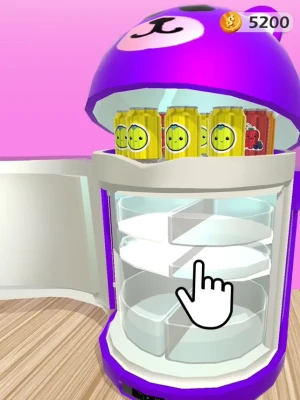
Fill The Fridge With Groceries
Games
iOS
148.2 MB
0
Free
Report a Problem
More About Fridge Organizing
Ultimate Guide to Fridge Organization: Transform Your Grocery Shopping Experience
Are you ready to elevate your grocery shopping and fridge organization game? Organizing your fridge after a shopping spree can be an incredibly satisfying experience. Not only does it help you keep track of your food, but it also makes meal prep easier and reduces food waste. In this article, we’ll explore effective strategies for organizing your fridge, ensuring that every item has its place and is easily accessible.
The Joy of Grocery Shopping
Grocery shopping is more than just a chore; it’s an opportunity to explore new ingredients and plan delicious meals. As you navigate the aisles, consider the following tips to make your shopping experience more efficient:
- Create a Shopping List: Before heading to the store, jot down a list of items you need. This not only saves time but also helps you avoid impulse purchases.
- Plan Your Meals: Think about what meals you want to prepare for the week. This will guide your shopping and ensure you buy only what you need.
- Shop Seasonally: Choose fruits and vegetables that are in season for better flavor and lower prices.
Unpacking Your Groceries: The First Step to Organization
Once you return home with your groceries, it’s time to unpack and start organizing. Here’s how to do it effectively:
- Sort by Category: Group similar items together. For example, keep dairy products, meats, and vegetables in separate sections.
- Check Expiration Dates: Discard any expired items before placing new groceries in the fridge. This helps maintain freshness and prevents food waste.
- Use Clear Containers: Invest in clear storage containers to keep smaller items organized. This makes it easy to see what you have at a glance.
Mastering Fridge Organization
Now that your groceries are sorted, it’s time to fill your fridge in a way that maximizes space and accessibility. Here are some expert tips:
Top Shelves: Ideal for Beverages and Leftovers
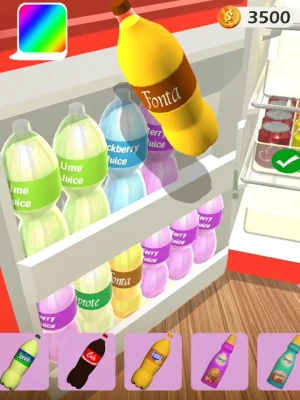
The top shelves of your fridge are typically the warmest, making them perfect for beverages and ready-to-eat leftovers. Store items like:
- Sodas and juices
- Takeout containers
- Prepared meals
Middle Shelves: Perfect for Dairy and Eggs
The middle shelves maintain a consistent temperature, making them ideal for dairy products and eggs. Organize these items as follows:
- Milk, cheese, and yogurt should be placed together for easy access.
- Keep eggs in their original carton to protect them and maintain freshness.
Bottom Shelves: Store Raw Meats and Fish
The bottom shelves are the coldest part of the fridge, making them the best place for raw meats and fish. To prevent cross-contamination:
- Use separate containers for different types of meat.
- Always place raw items on the bottom shelf to avoid drips onto other foods.
Drawers: Optimize for Fruits and Vegetables
Most fridges come with designated drawers for fruits and vegetables. To keep them fresh:
- Store fruits and vegetables separately, as some fruits emit ethylene gas, which can spoil vegetables faster.
- Use perforated bags for vegetables to maintain humidity while allowing airflow.
Maintaining Your Organized Fridge
Once you’ve organized your fridge, it’s essential to maintain that order. Here are some tips to keep your fridge in top shape:
- Regularly Check Expiration Dates: Make it a habit to check your fridge weekly for expired items.
- Clean Spills Immediately: Wipe down shelves and drawers as soon as spills occur to prevent odors and bacteria buildup.
- Rearrange as Needed: As you bring in new groceries, take a moment to rearrange items to keep your organization system intact.
Conclusion: Enjoy the Satisfaction of a Well-Organized Fridge
Organizing your fridge after a grocery shopping trip can be a fun and rewarding experience. By following these tips, you can create a system that not only looks great but also enhances your cooking and meal prep efficiency. So, the next time you fill your fridge, remember to enjoy the process and take pride in your organized space!
For more information on privacy and data usage, please refer to our Privacy Policy.
Rate the App
User Reviews













![[Premium] RPG Spirit Valor](https://app-corner.com/images/17793864265298365.webp)

Popular Apps










Editor's Choice