

Latest Version
April 08, 2026
Bent Ray Technologies
Education
Android
0
Free
work.flexyear.flex_year_tablet
Report a Problem
More About Flex Year
Comprehensive Guide to Effective Staff Management Modules
In today's fast-paced business environment, efficient staff management is crucial for organizational success. This article delves into various essential modules that streamline staff management processes, ensuring optimal productivity and employee satisfaction. Each module plays a vital role in enhancing operational efficiency and fostering a positive workplace culture.
1. Staff Management Module
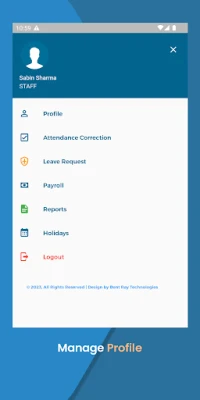
The Staff Management Module serves as the backbone of any human resources system. It allows organizations to maintain comprehensive employee records, track performance, and manage professional development. By centralizing employee information, businesses can easily access data related to skills, qualifications, and career progression, enabling informed decision-making.
2. Attendance Management Module
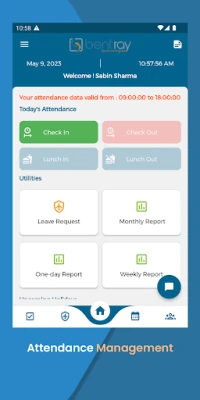
Accurate attendance tracking is essential for effective workforce management. The Attendance Management Module automates the process of recording employee attendance, reducing errors and administrative burdens. This module provides real-time insights into employee attendance patterns, helping managers identify trends and address issues promptly.
3. Leave Management Module
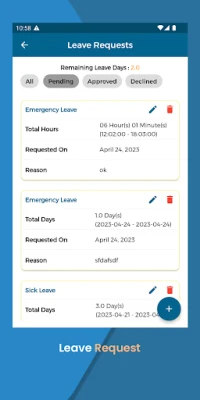
The Leave Management Module simplifies the process of managing employee leave requests. It allows employees to submit leave applications online, while managers can easily approve or deny requests based on real-time data. This module ensures compliance with company policies and helps maintain adequate staffing levels during absences.
4. Holiday Management Module
Managing holidays effectively is crucial for maintaining employee morale. The Holiday Management Module enables organizations to define holiday policies, track public holidays, and manage employee entitlements. By providing clear visibility into holiday balances, this module helps prevent misunderstandings and promotes a healthy work-life balance.
5. Shift Management Module
For businesses operating on a shift basis, the Shift Management Module is indispensable. This module allows managers to create and manage employee schedules efficiently. It provides tools for assigning shifts, tracking overtime, and ensuring compliance with labor regulations. By optimizing shift patterns, organizations can enhance productivity and employee satisfaction.
6. Recruitment Management Module
The Recruitment Management Module streamlines the hiring process, making it easier for organizations to attract and retain top talent. This module facilitates job postings, applicant tracking, and interview scheduling. By automating these processes, businesses can reduce time-to-hire and improve the overall candidate experience.
7. Report Management Module
Data-driven decision-making is essential for organizational growth. The Report Management Module provides comprehensive reporting tools that allow managers to analyze key performance indicators (KPIs) related to staff management. By generating insightful reports, organizations can identify areas for improvement and make informed strategic decisions.
8. Department Management Module
Effective departmental organization is vital for operational efficiency. The Department Management Module enables businesses to structure their teams effectively, assign roles, and manage inter-departmental communication. This module fosters collaboration and ensures that all departments work towards common organizational goals.
9. Payroll Management Module
The Payroll Management Module automates the payroll process, ensuring timely and accurate employee compensation. This module handles calculations for salaries, bonuses, and deductions, while also ensuring compliance with tax regulations. By streamlining payroll operations, organizations can reduce errors and enhance employee trust.
Conclusion
Implementing these essential staff management modules can significantly enhance organizational efficiency and employee satisfaction. By leveraging technology to streamline processes, businesses can focus on their core objectives while fostering a positive work environment. Investing in a comprehensive staff management system is not just a strategic move; it is a necessity for thriving in today's competitive landscape.
Rate the App
User Reviews















Popular Apps










Editor's Choice