

Latest Version
0.1.4
January 20, 2026
3MG Productions
Games
Android
0
Free
com.ThreeMGProduction.FarmJam
Report a Problem
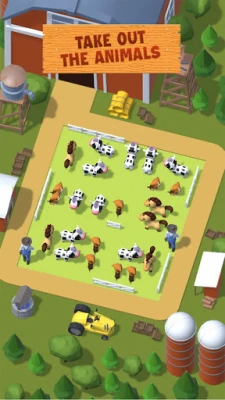
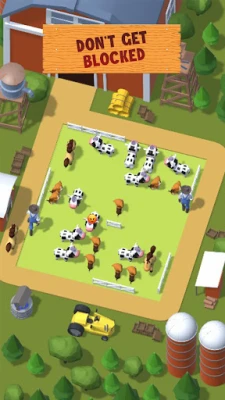
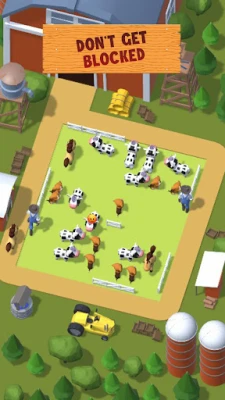
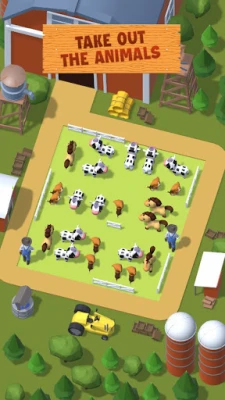
More About Farm Jam 3D
Don't Get Blocked: Effective Strategies to Move Your Livestock into the Barn
Managing livestock can be a challenging task, especially when it comes to getting them into the barn. Whether you're dealing with cattle, sheep, or goats, understanding the best practices for herding and housing your animals is essential. This article will explore effective strategies to ensure your livestock are safely and efficiently moved into the barn, minimizing stress for both you and your animals.
Understanding Animal Behavior
Before attempting to move your livestock, it's crucial to understand their natural behaviors. Animals often react to their environment and the presence of humans in specific ways. Recognizing these behaviors can help you devise a plan that reduces anxiety and encourages cooperation.
- Flight Response: Most livestock have a strong flight instinct. They may run away from perceived threats, including humans. Approach them calmly and quietly to avoid startling them.
- Herd Mentality: Animals tend to follow their companions. If one animal starts moving towards the barn, others are likely to follow. Use this to your advantage when herding.
- Familiarity: Animals are more likely to enter spaces they recognize. Ensure the barn is a familiar and safe environment for them.
Creating a Safe Pathway
To facilitate a smooth transition into the barn, create a clear and safe pathway. This involves several key steps:
- Clear Obstacles: Remove any obstacles that could hinder movement. This includes tools, feed buckets, or anything that might scare the animals.
- Use Fencing: Temporary fencing can help guide animals towards the barn. Set up panels to create a funnel that leads directly to the entrance.
- Lighting: Ensure the pathway is well-lit, especially if you are moving animals during early morning or late evening hours. Animals are more likely to move confidently in well-lit areas.
Utilizing Positive Reinforcement
Positive reinforcement is a powerful tool when it comes to training livestock. By rewarding desired behaviors, you can encourage your animals to move into the barn willingly.
- Food Rewards: Use treats or feed to entice animals into the barn. Place food inside the barn to create an incentive for them to enter.
- Gentle Encouragement: Use calm voices and gentle nudges to guide animals. Avoid shouting or aggressive movements, as these can create fear.
- Consistency: Be consistent in your approach. Regularly moving animals into the barn at the same time can help them develop a routine.
Timing is Key
Choosing the right time to move your livestock can significantly impact the success of the operation. Consider the following factors:
- Weather Conditions: Avoid moving animals during extreme weather conditions. Hot or cold temperatures can stress livestock, making them less cooperative.
- Feeding Schedule: Move animals shortly after feeding. They are more likely to follow you if they associate the barn with food.
- Time of Day: Early morning or late afternoon are often the best times to move livestock, as animals are typically more active during these periods.
Using Proper Equipment
Having the right equipment can make the process of moving livestock into the barn much easier. Consider investing in the following:
- Herding Dogs: Trained herding dogs can be invaluable in guiding livestock. They can help move animals more efficiently and reduce stress.
- Stock Prods: While not always necessary, stock prods can be used as a last resort to encourage movement. Use them sparingly and humanely.
- Leads and Halters: For smaller animals, using leads and halters can help guide them into the barn without causing panic.
Monitoring and Adjusting Your Approach
After implementing your strategies, it's essential to monitor the situation and adjust your approach as needed. Pay attention to how your livestock respond and be prepared to change tactics if necessary.
- Observe Behavior: Watch for signs of stress or discomfort in your animals. If they seem agitated, take a step back and reassess your methods.
- Seek Feedback: If you have experienced farmers or ranchers in your community, seek their advice. They may have valuable insights based on their own experiences.
- Document Your Process: Keep a record of what works and what doesn’t. This will help you refine your approach for future moves.
Conclusion
Successfully moving livestock into the barn requires a combination of understanding animal behavior, creating a safe environment, and employing effective strategies. By utilizing positive reinforcement, timing your efforts, and using the right equipment, you can minimize stress for both you and your animals. Remember, patience and consistency are key. With practice, you’ll find that getting your livestock into the barn becomes a smoother and more efficient process.
Rate the App
User Reviews















Popular Apps










Editor's Choice