



Latest Version
2.5
October 10, 2024
serhat tikiz
Games
iOS
217.2 MB
0
Free
Report a Problem
More About Excavator Simulator 3D pro
Mastering Excavator Transport: A Comprehensive Guide to Using Truck and Excavator Transporter Trailers
Transporting heavy machinery like excavators requires precision, skill, and the right equipment. In this guide, we will explore how to effectively use truck and excavator transporter trailers to navigate challenging terrains, ensuring safe and efficient transport of your excavator.
Understanding the Importance of Proper Transport
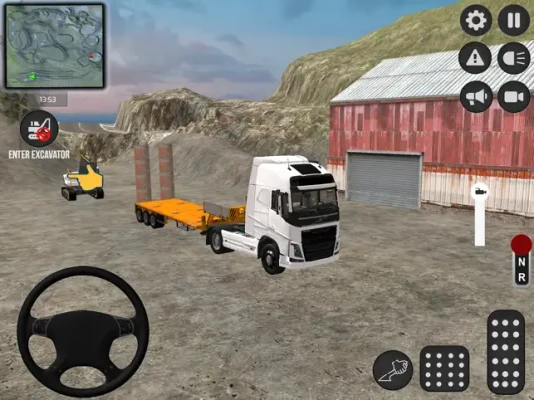
When it comes to transporting excavators, especially through mountainous and forested terrain, the choice of transport vehicle is crucial. A truck and excavator transporter trailer combination provides the necessary stability and support to handle the weight and dimensions of the excavator. This ensures that your machinery arrives at its destination without damage, ready for immediate use.
Loading the Excavator onto the Transporter Trailer
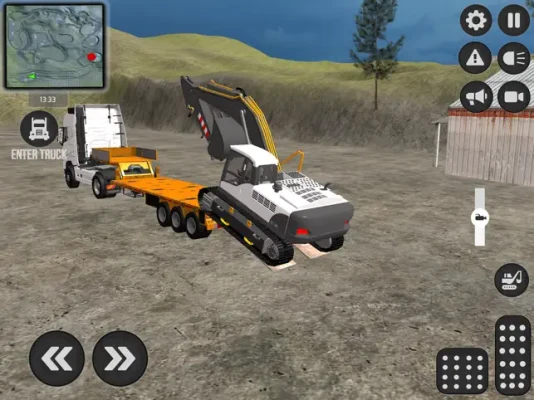
Before embarking on your journey, the first step is to load the excavator onto the trailer. Here’s how to do it safely:
- Prepare the Site: Ensure the loading area is flat and stable. Clear any obstacles that may hinder the loading process.
- Position the Truck: Align the truck and trailer with the excavator, ensuring a straight path for loading.
- Use Proper Equipment: Utilize ramps or a loading dock to facilitate the smooth transition of the excavator onto the trailer.
- Secure the Excavator: Once loaded, use straps or chains to secure the excavator to the trailer, preventing any movement during transport.
Navigating Challenging Terrains
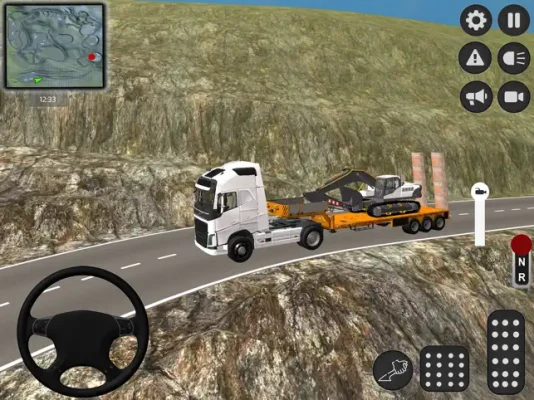
Transporting an excavator through mountainous and forested roads can be daunting. Here are some tips to ensure a safe journey:
- Plan Your Route: Before setting off, map out the best route that avoids steep inclines and sharp turns.
- Drive Slowly: Maintain a slow and steady speed to ensure control over the vehicle and trailer.
- Be Aware of Weather Conditions: Rain or snow can make roads slippery. Adjust your driving accordingly to maintain traction.
- Check Your Load: Periodically stop to check that the excavator remains secure and that the trailer is functioning properly.
Arriving at the Business Area
Upon reaching the designated business area, it’s essential to park the truck correctly and unload the excavator efficiently:
- Choose the Right Parking Spot: Look for a flat, stable area that allows for easy unloading.
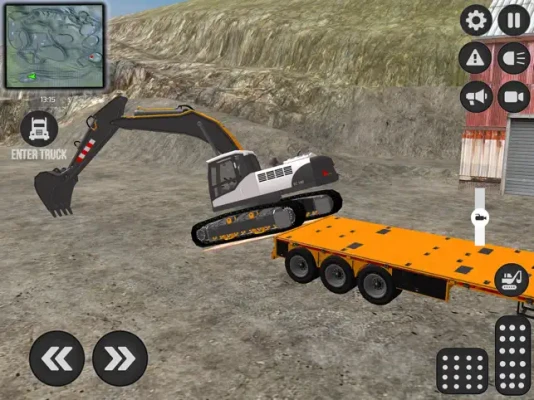
- Unloading the Excavator: Carefully reverse the trailer to align it with the unloading area. Use ramps if necessary to facilitate the unloading process.
- Secure the Area: Ensure that the unloading area is clear of personnel and obstacles before proceeding.
Operating the Excavator
Once the excavator is unloaded, you can begin your loading and digging operations. Here’s how to operate the excavator effectively:
- Familiarize Yourself with the Controls: Take a moment to understand the joystick controls and their functions.
- Practice Safety: Always wear appropriate safety gear and ensure that the work area is secure.
- Start with Simple Tasks: Begin with basic loading and digging tasks to get accustomed to the machine’s capabilities.
Enjoying Realistic Features
One of the most enjoyable aspects of operating an excavator is the realistic experience it offers. From the authentic diesel engine sound effects to the physics that govern the machine's movements, you can immerse yourself in a lifelike operating environment. This realism not only enhances your enjoyment but also helps you develop better operational skills.
Conclusion
Transporting and operating an excavator requires careful planning and execution. By using a truck and excavator transporter trailer, you can navigate challenging terrains with confidence. Remember to prioritize safety during loading, transport, and operation to ensure a successful project. With practice and attention to detail, you can master the art of excavator transport and operation, making your work both efficient and enjoyable.
Rate the App
User Reviews















Popular Apps










Editor's Choice