



Latest Version
5.7.4
April 13, 2026
Ekodroid labs
Education
Android
0
Free
com.ekodroid.omrevaluator
Report a Problem
More About EvalBee (OMR sheet scanner)
Comprehensive Application Support Template Creation for Diverse Exams
In today's competitive academic landscape, the need for efficient and effective examination processes is paramount. Whether it's for entrance exams like JEE, NEET, SAT, AIMCET, or various other multiple-choice question (MCQ) assessments, having a robust application support template can streamline the entire examination experience. This article delves into the essential features and benefits of creating tailored exam templates that cater to a wide range of testing needs.
Dynamic Exam Template Generation
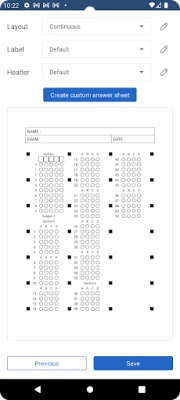
One of the standout features of our application support template is its ability to generate comprehensive exam templates that can accommodate over 300 questions. This flexibility allows educators and institutions to design assessments that are both extensive and varied, ensuring that all necessary topics are covered. By utilizing a dynamic template, examiners can easily adapt to different subjects and difficulty levels, making it an invaluable tool for any educational setting.
Versatile Answer Option Types
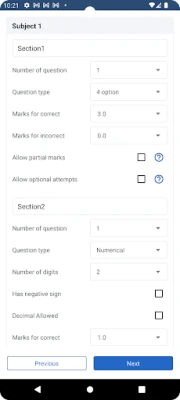
Our exam templates support a variety of answer option types, enhancing the assessment's adaptability. The available formats include:
- Matrix: Ideal for evaluating multiple criteria simultaneously.
- Numerical: Perfect for subjects requiring quantitative responses.
- Multiple Choice: Options for both 4 and 5 answer choices, catering to different testing strategies.
- True or False: A straightforward approach for quick assessments.
This versatility ensures that educators can create assessments that align with their specific teaching objectives and student needs.
Comprehensive Reporting Features
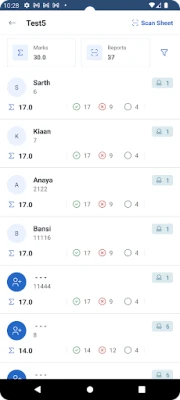
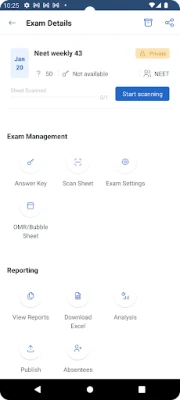
After the completion of an exam, generating reports is crucial for evaluating student performance. Our application support template excels in this area by providing:
- Overall Reports in Excel: Institutions can easily compile and analyze data, allowing for informed decision-making and strategic planning.
- Individual Reports via Email: Each student receives a personalized report, offering insights into their performance and areas for improvement.
- SMS Notifications: Exam results can be sent directly to students' mobile phones, ensuring timely communication and engagement.
These reporting features not only enhance transparency but also foster a supportive learning environment by keeping students informed about their progress.
Flexible Grading Options
Grading can often be a complex process, but our application support template simplifies it with various grading options. Educators can choose from different grading scales, allowing for customized assessments that reflect the institution's standards and expectations. This flexibility ensures that grading is fair, consistent, and aligned with educational goals.
Conclusion: Elevating the Examination Experience
In conclusion, the creation of application support templates for exams like JEE, NEET, SAT, AIMCET, and other MCQ assessments is a game-changer in the educational sector. With features such as dynamic template generation, versatile answer options, comprehensive reporting, and flexible grading, these templates not only enhance the examination process but also contribute to improved student outcomes. By investing in such innovative solutions, educational institutions can ensure they are well-equipped to meet the challenges of modern assessments and provide a superior learning experience for their students.
Rate the App
User Reviews















Popular Apps










Editor's Choice