





Latest Version
1.0.0
April 19, 2025
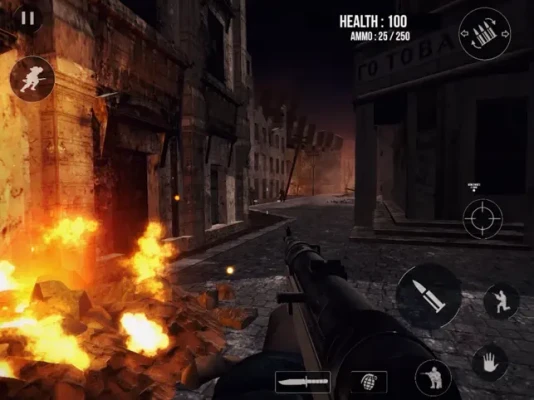
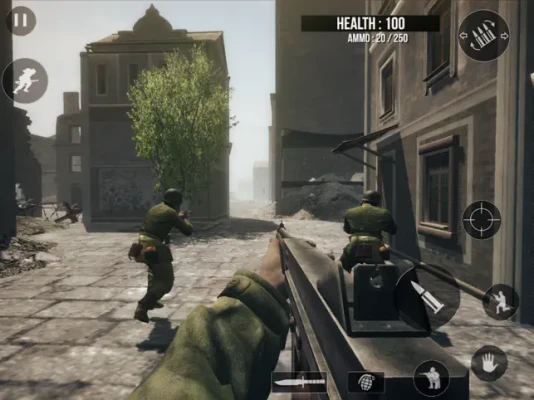
First person shooter WW2
Games
iOS
1 GB
0
Free
Report a Problem
More About Europe Front: Remastered
Unlocking the Secrets of Effective Communication: Your Guide to Reaching Out
In today's fast-paced world, effective communication is more crucial than ever. Whether you're seeking information, support, or collaboration, knowing how to reach out can make all the difference. This article will explore the best practices for effective communication, ensuring your messages are clear, concise, and impactful.
Understanding the Importance of Clear Communication
Clear communication is the foundation of successful interactions. It helps to eliminate misunderstandings and fosters stronger relationships. When you communicate effectively, you convey your thoughts and intentions in a way that resonates with your audience. This is particularly important in professional settings, where clarity can lead to better teamwork and productivity.
Crafting Your Message: Key Elements to Consider
When preparing to reach out, consider the following elements to enhance your message:
- Purpose: Define the reason for your communication. Are you asking a question, providing feedback, or seeking assistance? A clear purpose will guide your message.
- Audience: Tailor your message to your audience. Understanding their background and expectations will help you choose the right tone and language.
- Clarity: Use simple and direct language. Avoid jargon unless you are certain your audience understands it. Aim for brevity while ensuring your message is complete.
- Call to Action: End with a clear call to action. Specify what you want the recipient to do next, whether it’s replying to your email, providing information, or scheduling a meeting.
Choosing the Right Medium for Communication
The medium you choose for communication can significantly impact how your message is received. Here are some common options:
- Email: Ideal for formal communication, emails allow for detailed messages and can be easily referenced later. Ensure your subject line is clear and relevant.
- Phone Calls: A great option for urgent matters or when a personal touch is needed. Phone calls allow for immediate feedback and clarification.
- Instant Messaging: Useful for quick questions or informal communication. However, be mindful of the tone, as it can be easily misinterpreted.
- Face-to-Face Meetings: Best for complex discussions or when building relationships. In-person interactions foster trust and understanding.
Best Practices for Writing Effective Emails
Email remains one of the most common forms of communication in professional settings. To ensure your emails are effective, follow these best practices:
- Use a Clear Subject Line: Your subject line should summarize the email's content. This helps the recipient prioritize their responses.
- Start with a Greeting: A polite greeting sets a positive tone. Use the recipient's name to personalize your message.
- Be Concise: Get to the point quickly. Use short paragraphs and bullet points to enhance readability.
- Proofread: Always check for spelling and grammatical errors. A well-written email reflects professionalism.
Following Up: When and How to Do It
Sometimes, you may not receive a response to your initial communication. In such cases, a follow-up can be beneficial. Here’s how to do it effectively:
- Wait a Reasonable Time: Give the recipient enough time to respond, typically 48-72 hours, depending on the urgency of your message.
- Be Polite: Start your follow-up with a friendly reminder of your previous message. Express understanding that they may be busy.
- Restate Your Purpose: Briefly reiterate the purpose of your original message to refresh their memory.
- Include a Call to Action: Encourage a response by asking a specific question or suggesting a next step.
Conclusion: Mastering the Art of Communication
Effective communication is a skill that can be developed with practice. By understanding your audience, crafting clear messages, and choosing the right medium, you can enhance your interactions and achieve your goals. Remember, whether you’re sending an email or making a phone call, the key is to be clear, concise, and courteous. Start applying these principles today, and watch your communication skills flourish.
If you have any questions or need further assistance, feel free to reach out via email at soap2011586@gmail.com.
Rate the App
User Reviews
![[Premium] RPG Dragon Sinker](https://app-corner.com/images/17781606275581672.webp)














Popular Apps










Editor's Choice