


Latest Version
5.4
January 07, 2026
LangsForKids
Education
Android
0
Free
com.langkids.englishfokids
Report a Problem
More About English For Kids
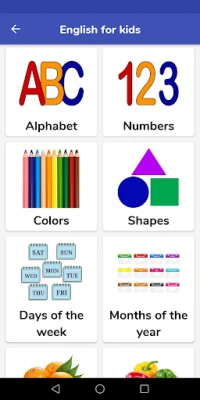
Master Vocabulary Effortlessly with Visual Learning
Learning new vocabulary can be a daunting task, especially for beginners. However, incorporating visual aids into your study routine can significantly enhance your understanding and retention of new words. This article explores various topics that can be easily learned through pictures, making vocabulary acquisition both enjoyable and effective.
Understanding the Alphabet
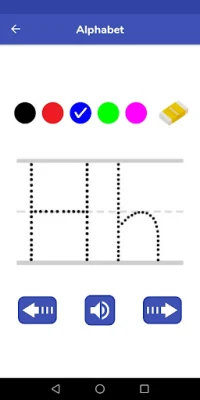
The foundation of any language begins with the alphabet. Visual aids such as flashcards featuring letters alongside corresponding images can help learners associate each letter with its sound and shape. For instance, showing an image of an apple next to the letter "A" reinforces the connection between the letter and its phonetic sound.
Counting with Numbers
Numbers are essential in everyday life, and learning them through visuals can simplify the process. Use images of objects grouped in quantities to illustrate numbers. For example, displaying three apples can help learners grasp the concept of the number three, making it easier to remember.
Exploring Colors
Colors are everywhere, and associating them with images can make learning more engaging. Create a colorful chart that showcases various colors alongside familiar objects. For instance, a red apple, a blue sky, and a green tree can help learners visualize and remember different colors effectively.
Identifying Shapes
Shapes are fundamental in understanding the world around us. Use pictures of everyday objects to teach shapes. For example, a round ball can represent a circle, while a square box can illustrate a square. This method not only aids in recognition but also enhances spatial awareness.
Days of the Week Made Simple
Learning the days of the week can be made easier with a visual calendar. Incorporate images that represent activities typically associated with each day. For instance, a picture of a school can represent Monday, while a family gathering can symbolize Sunday. This approach helps learners connect the days with real-life experiences.
Months of the Year
Understanding the months of the year can be simplified through seasonal imagery. Use pictures that depict seasonal changes, such as snow for December or flowers for April. Associating months with visual cues helps learners remember their order and significance.
Fruits and Vegetables
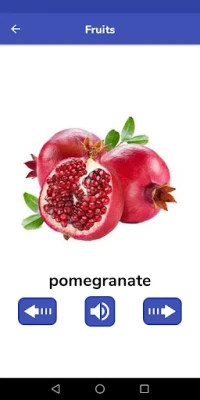
Fruits and vegetables are not only healthy but also colorful and diverse. Create a vibrant chart featuring various fruits and vegetables alongside their names. This visual representation not only aids in vocabulary acquisition but also encourages healthy eating habits.
Animal Kingdom
Animals captivate learners of all ages. Use pictures of different animals to teach their names and characteristics. For example, a lion can represent strength, while a rabbit can symbolize agility. This method fosters curiosity and enhances vocabulary retention.
Birds of the World
Birds are fascinating creatures that can be introduced through stunning visuals. Create a gallery of birds, showcasing their unique features and habitats. Associating images with names helps learners remember various bird species and their characteristics.
Delicious Food Vocabulary
Food is a universal topic that everyone can relate to. Use mouth-watering images of different dishes to teach food vocabulary. For instance, pictures of pizza, sushi, and salads can help learners identify and remember various food items while also sparking their interest in culinary diversity.
Clothing Vocabulary
Clothes are an essential part of daily life. Use visuals of different clothing items to teach vocabulary related to fashion. For example, pictures of a shirt, pants, and shoes can help learners identify and remember various clothing terms, making shopping and dressing more enjoyable.
Exploring the Kitchen
The kitchen is a hub of activity and a great place to learn vocabulary. Use images of kitchen utensils and appliances to teach related terms. For instance, pictures of a blender, frying pan, and cutting board can help learners familiarize themselves with essential kitchen vocabulary.
Bathroom Essentials
The bathroom is another area rich in vocabulary opportunities. Use visuals of common bathroom items such as soap, towels, and toothbrushes to teach related terms. This method helps learners associate words with their everyday routines.
Living Room Vocabulary
The living room is often the heart of the home. Use images of furniture and decor items to teach vocabulary related to this space. For example, pictures of a sofa, television, and coffee table can help learners identify and remember various living room terms.
School-Related Vocabulary
School is a significant part of a learner's life. Use visuals of school supplies, classrooms, and activities to teach related vocabulary. For instance, pictures of books, desks, and students can help learners connect words with their educational experiences.
Sports Vocabulary
Sports are a fun way to engage learners in vocabulary acquisition. Use images of different sports and equipment to teach related terms. For example, pictures of a soccer ball, basketball, and tennis racket can help learners identify and remember various sports vocabulary.
Body Parts Made Easy
Understanding body parts is crucial for communication. Use visuals of the human body to teach related vocabulary. For instance, pictures highlighting the head, arms, and legs can help learners identify and remember different body parts effectively.
Family Vocabulary
Family is a fundamental concept in any culture. Use images of family members to teach related vocabulary. For example, pictures of a mother, father, and siblings can help learners understand and remember family terms, fostering a sense of connection.
Professions and Careers
Exploring different professions can inspire learners. Use visuals of various careers to teach related vocabulary. For instance, pictures of a doctor, teacher, and engineer can help learners identify and remember different professions, sparking their interest in future career paths.
In conclusion, learning vocabulary through pictures is an effective and enjoyable method. By incorporating visual aids into your study routine, you can enhance your understanding and retention of new words across various topics. Embrace the power of visual learning and watch your vocabulary flourish!
Rate the App
User Reviews














Popular Apps










Editor's Choice