


Latest Version
3.0.1
August 25, 2024
Alejandro Hernández Ferrero
Games
Android
0
Free
ahf.dummynation
Report a Problem
More About Dummynation
Strategic Expansion: Mastering Military and Diplomatic Power for Global Dominance
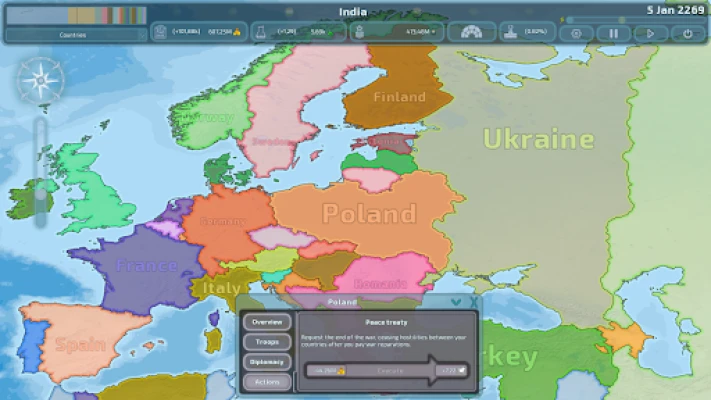
In the complex arena of global politics, nations strive for dominance through a combination of military strength and diplomatic finesse. This article explores effective strategies for expanding territorial influence while maintaining stability and economic growth. By understanding the delicate balance between military occupation, diplomatic relations, and resource management, countries can enhance their power without overextending themselves.
1. Strategic Military Expansion: The Art of Occupation
To expand your territory and increase your power, military occupation can be a viable strategy. However, it is crucial to approach this tactic with caution. Rapid expansion can lead to overextension, making your empire vulnerable to internal strife and external threats. Here are some key considerations:
- Assess Your Capacity: Before launching military campaigns, evaluate your nation's military capabilities and logistical support. Ensure that your forces are adequately equipped and that supply lines are secure.
- Prioritize Key Regions: Focus on strategically important areas that offer significant resources or geopolitical advantages. This targeted approach minimizes the risk of spreading your forces too thin.
- Establish Control: Once you occupy a new territory, implement measures to maintain order and integrate the local population. This can help prevent insurgencies and foster loyalty to your regime.
2. Diplomatic Maneuvering: Invading with Caution
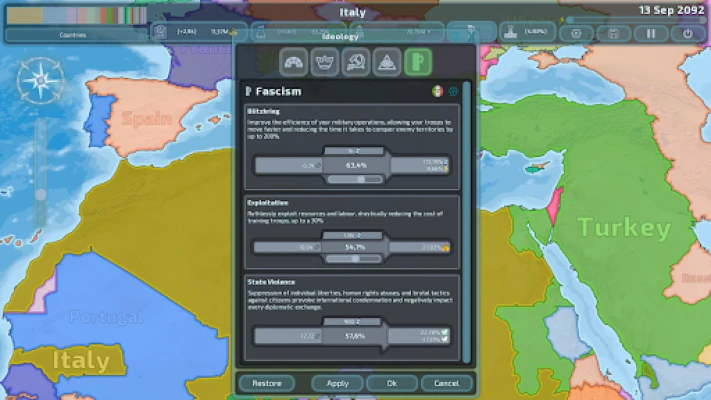
While military might is essential, diplomatic relations play a critical role in a nation's expansion strategy. By analyzing and manipulating these relationships, countries can invade others while minimizing the risk of creating powerful adversaries. Consider the following tactics:
- Build Alliances: Form strategic partnerships with neighboring countries to create a buffer against potential threats. Strong alliances can deter aggression from rivals and provide support during military campaigns.
- Engage in Soft Power: Utilize cultural diplomacy, economic incentives, and humanitarian aid to win the hearts and minds of foreign populations. This approach can soften resistance to your expansion efforts.
- Negotiate Peacefully: Whenever possible, pursue diplomatic solutions to conflicts. Negotiating favorable terms can allow for territorial gains without the need for military confrontation.
3. Resource Management: Sustaining Military and Research Efforts
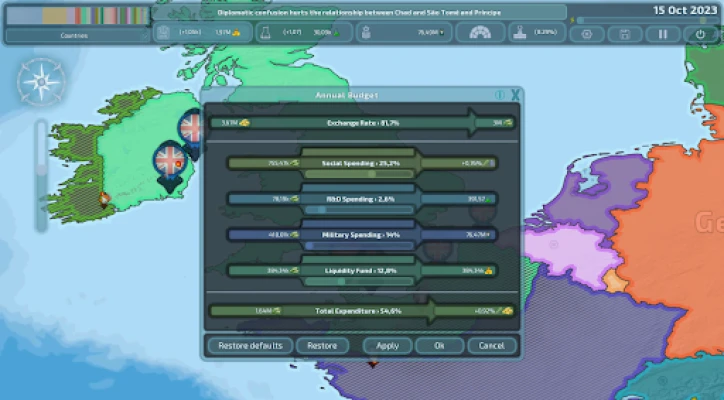
Effective resource management is vital for sustaining military campaigns and research initiatives. However, excessive spending can lead to economic decline, leaving your nation vulnerable. Here are strategies to balance resource allocation:
- Budget Wisely: Create a comprehensive budget that prioritizes military and research funding while ensuring that essential services and infrastructure are maintained. Avoid overspending that could lead to economic instability.
- Invest in Innovation: Allocate resources to research and development to enhance military technology and capabilities. Staying ahead in technological advancements can provide a significant edge over rivals.
- Utilize Natural Resources: Leverage your country's natural resources to support military and research efforts. Sustainable extraction and management of these resources can bolster your economy and military strength.
4. Economic Policy: Fueling Growth for Power
A robust economic policy is essential for achieving high economic growth, which can, in turn, enhance your nation's power without relying solely on military force. Here are some strategies to consider:
- Promote Trade: Foster international trade relationships to boost your economy. Open markets can lead to increased revenue and access to vital resources.
- Encourage Investment: Create a favorable environment for both domestic and foreign investments. This can stimulate economic growth and innovation, positioning your country as a competitive player on the global stage.
- Focus on Education: Invest in education and workforce development to create a skilled labor force. A well-educated population can drive economic growth and technological advancement.
Conclusion: Balancing Power and Stability
In the quest for global dominance, nations must navigate the intricate balance between military expansion, diplomatic relations, and economic policy. By strategically managing these elements, countries can enhance their power while avoiding the pitfalls of overextension and economic decline. Ultimately, a well-rounded approach that incorporates military strength, diplomatic savvy, and sound economic practices will position a nation for long-term success in the competitive landscape of international relations.
Rate the App
User Reviews















Popular Apps










Editor's Choice