Latest Version
0.1
November 17, 2024
NOMADIC BEAR GAMES
Games
Android
0
Free
com.nomadicbeargames.dronestrike
Report a Problem
More About Drone Strike
Mastering Drone Operations: Navigating Hostile Territories with Advanced Surveillance Technology
In the realm of modern warfare and reconnaissance, drone operators play a pivotal role. They are tasked with navigating through hostile territories, utilizing cutting-edge surveillance technology to identify and monitor enemy movements. This article delves into the intricacies of drone operations, highlighting the skills required, the technology involved, and the strategic advantages gained through effective surveillance.
The Role of a Drone Operator
As a drone operator, your primary responsibility is to pilot unmanned aerial vehicles (UAVs) in challenging environments. This role demands a unique blend of technical expertise, situational awareness, and strategic thinking. Operators must be adept at interpreting real-time data and making quick decisions that can impact mission success.
Understanding Hostile Territories
Hostile territories present numerous challenges, including unpredictable weather conditions, rugged landscapes, and the presence of enemy forces. Operators must be well-versed in the geography of these areas, understanding how terrain can affect flight paths and visibility. Knowledge of local conflicts and enemy tactics is also crucial for effective surveillance.
Advanced Surveillance Technology
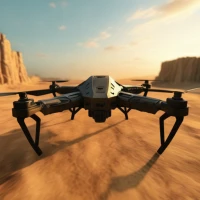
Modern drones are equipped with sophisticated surveillance technology that enhances their operational capabilities. Key features include:
- High-Resolution Cameras: Drones are often fitted with high-definition cameras that provide clear images and videos, allowing operators to capture detailed intelligence.
- Infrared and Night Vision: These technologies enable drones to operate effectively in low-light conditions, making it possible to monitor enemy movements even at night.
- Real-Time Data Transmission: Advanced drones can transmit data back to operators in real-time, ensuring that critical information is available for immediate analysis.
- Automated Flight Paths: Many drones can be programmed to follow specific routes, allowing operators to focus on data collection rather than navigation.
Identifying and Tracking Enemy Movements
One of the primary objectives of drone operations in hostile territories is to identify and track enemy movements. This process involves several steps:
- Surveillance Planning: Before deployment, operators must develop a comprehensive surveillance plan that outlines objectives, flight paths, and potential risks.
- Data Collection: During the mission, drones gather data through their sensors and cameras, capturing images and videos of enemy positions and activities.
- Analysis: After data collection, operators analyze the information to identify patterns and movements, which can inform strategic decisions.
- Reporting: Finally, operators compile their findings into reports that are shared with military commanders and intelligence agencies.
Strategic Advantages of Drone Surveillance
Utilizing drones for surveillance in hostile territories offers several strategic advantages:
- Reduced Risk: Drones can operate in dangerous areas without putting human lives at risk, allowing for safer reconnaissance missions.
- Enhanced Intelligence Gathering: The ability to collect high-quality data in real-time provides military leaders with critical insights that can shape operational strategies.
- Cost-Effectiveness: Drones are often more cost-effective than traditional manned aircraft, reducing the financial burden on military operations.
- Increased Operational Flexibility: Drones can be deployed quickly and can adapt to changing mission requirements, making them invaluable assets in dynamic environments.
The Future of Drone Operations
As technology continues to evolve, the future of drone operations looks promising. Innovations in artificial intelligence, machine learning, and autonomous systems are set to enhance the capabilities of drones even further. Operators will need to stay abreast of these advancements to maintain a competitive edge in surveillance and reconnaissance.
Conclusion
In conclusion, the role of a drone operator in navigating hostile territories is both challenging and rewarding. By leveraging advanced surveillance technology, operators can effectively identify and track enemy movements, providing invaluable intelligence that supports military operations. As the landscape of warfare continues to change, the importance of skilled drone operators will only grow, making this an exciting field for those interested in technology and defense.
Rate the App
User Reviews














Popular Apps










Editor's Choice