




Latest Version
2.3.8
September 23, 2024
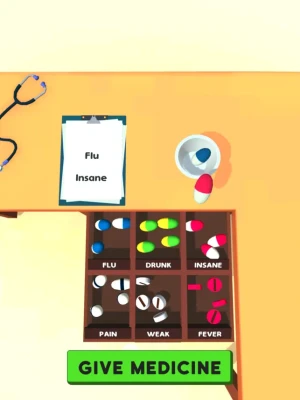
Choose Right Pills
Games
iOS
543.6 MB
0
Free
Report a Problem
More About Dr. Pill
Understanding Patient Needs: The Importance of Accurate Medication Combinations
In the realm of healthcare, effective communication between patients and healthcare providers is paramount. When patients share their symptoms and medical histories, it is crucial for practitioners to listen attentively and comprehend the nuances of their conditions. This understanding forms the foundation for creating appropriate medication regimens that minimize the risk of adverse side effects.
Why Patient Communication Matters
Effective patient communication is not just about gathering information; it is about building trust and ensuring that patients feel heard. When patients articulate their experiences, they provide valuable insights that can guide healthcare professionals in making informed decisions. Misunderstandings or oversights in this dialogue can lead to inappropriate medication combinations, which may result in serious health consequences.
The Risks of Incorrect Medication Combinations
Combining medications without a thorough understanding of a patient’s medical history can lead to a range of side effects. These can vary from mild discomfort to severe health complications. For instance, certain medications may interact negatively, leading to increased toxicity or diminished effectiveness. Therefore, it is essential to consider the following:
- Drug Interactions: Some medications can interfere with each other, causing unexpected reactions.
- Allergies: Patients may have allergies to specific drugs that must be taken into account.
- Pre-existing Conditions: Chronic illnesses can affect how medications are metabolized in the body.
Steps to Ensure Safe Medication Combinations
To mitigate the risks associated with incorrect medication combinations, healthcare providers should adopt a systematic approach:
1. Comprehensive Patient Assessment
Begin with a thorough assessment of the patient’s medical history, including current medications, allergies, and any previous adverse reactions. This information is vital for tailoring a safe and effective treatment plan.
2. Active Listening
Encourage patients to express their concerns and symptoms in detail. Active listening not only helps in gathering accurate information but also fosters a supportive environment where patients feel comfortable sharing their experiences.
3. Utilize Technology
Leverage electronic health records (EHR) and medication management systems to track patient medications and identify potential interactions. These tools can serve as a safety net, alerting healthcare providers to possible issues before they arise.
4. Continuous Education
Stay updated on the latest research regarding drug interactions and side effects. Continuous education ensures that healthcare providers are well-informed and can make the best decisions for their patients.
Building a Collaborative Relationship with Patients
Establishing a collaborative relationship with patients enhances the quality of care. When patients feel involved in their treatment plans, they are more likely to adhere to prescribed medications and report any side effects promptly. This partnership is essential for achieving optimal health outcomes.
Conclusion
In conclusion, understanding what patients communicate about their illnesses is critical for healthcare providers. By carefully considering their input and creating tailored medication combinations, practitioners can significantly reduce the risk of adverse side effects. Prioritizing effective communication, thorough assessments, and ongoing education will lead to safer and more effective patient care.
Ultimately, the goal is to ensure that every patient receives the best possible treatment, free from the complications that arise from improper medication combinations. By fostering a culture of open dialogue and collaboration, healthcare providers can enhance patient safety and improve overall health outcomes.
Rate the App
User Reviews















Popular Apps










Editor's Choice