


Latest Version
1.0
October 13, 2024
Ready, Action!
Games
iOS
128 MB
0
Free
Report a Problem
More About Director's Cut!
Mastering the Art of Interactive Storytelling: Engage with Actors, Props, and Sound Effects
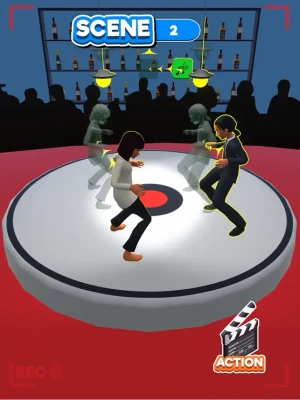
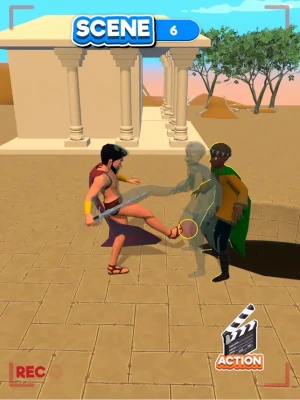
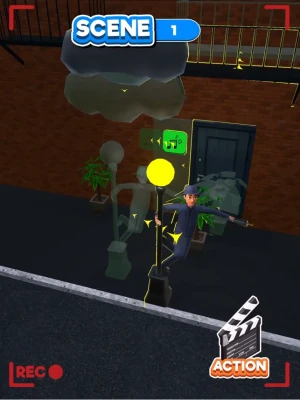
In the world of interactive storytelling, the ability to manipulate elements such as actors, props, and sound effects can transform a simple narrative into an immersive experience. This article explores how to effectively drag and drop these components into their rightful places, creating a captivating story that resonates with your audience.
Understanding the Basics of Interactive Storytelling
Interactive storytelling combines traditional narrative techniques with user engagement, allowing participants to influence the outcome of the story. By integrating various elements, such as actors, props, and sound effects, creators can enhance the emotional depth and overall impact of their narratives.
Drag and Drop: The Mechanics of Engagement
The drag-and-drop feature is a powerful tool in interactive storytelling. It allows users to place actors, props, and sound effects in specific locations, creating a personalized experience. This hands-on approach not only fosters creativity but also encourages users to think critically about how each element contributes to the overall narrative.
Choosing the Right Actors
Actors are the heart of any story. When selecting actors for your interactive narrative, consider their roles and how they will interact with the props and sound effects. Each actor should embody a character that resonates with the audience, enhancing the emotional connection to the story.
Utilizing Props Effectively
Props serve as vital storytelling tools that can enhance the visual and thematic elements of your narrative. When dragging and dropping props into the scene, think about their significance. Do they symbolize a character's journey? Do they add depth to the setting? The right props can elevate your story from ordinary to extraordinary.
The Power of Sound Effects
Sound effects play a crucial role in creating an immersive atmosphere. They can evoke emotions, build tension, or provide comic relief. When placing sound effects, consider how they complement the actions of the actors and the context of the scene. A well-timed sound effect can significantly enhance the audience's experience.
Scoring and Feedback: Measuring Your Success
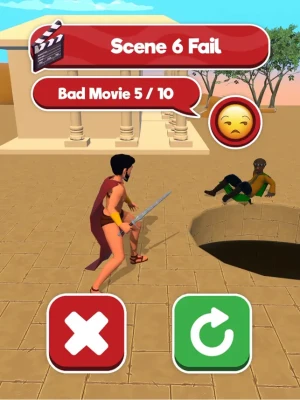
After arranging the actors, props, and sound effects, the next step is to tap into action. This interactive element not only brings your story to life but also provides immediate feedback. Users receive a rating based on their placement choices, encouraging them to refine their storytelling skills.
Understanding the Rating System
The rating system serves as a valuable tool for gauging the effectiveness of your interactive narrative. It assesses how well the elements work together and how engaging the story is for the audience. A higher rating indicates a successful integration of actors, props, and sound effects, while a lower rating offers insights into areas for improvement.
Tips for Enhancing Your Interactive Storytelling Experience
To create a truly engaging interactive storytelling experience, consider the following tips:
- Experiment with Different Combinations: Don’t hesitate to try various combinations of actors, props, and sound effects. Each arrangement can lead to a unique narrative outcome.
- Solicit Feedback: Share your interactive story with others and gather their feedback. Understanding how different audiences perceive your story can provide valuable insights.
- Refine Your Skills: Continuously practice your storytelling skills. The more you experiment with different elements, the better you will become at creating engaging narratives.
Conclusion: The Future of Interactive Storytelling
As technology continues to evolve, the possibilities for interactive storytelling are limitless. By mastering the art of dragging and dropping actors, props, and sound effects, you can create immersive experiences that captivate and engage your audience. Embrace the challenge, experiment with different elements, and watch as your storytelling skills flourish.
In the end, the journey of interactive storytelling is not just about the destination but the creative process that unfolds along the way. So, dive in, take action, and let your imagination run wild!
Rate the App
User Reviews














Popular Apps










Editor's Choice