

Latest Version
0.10
August 10, 2025
Dexus Dinosaur
Games
Android
0
Free
com.Dexus.Dinosaur.DinosaurBattleArena.FallenWorld
Report a Problem
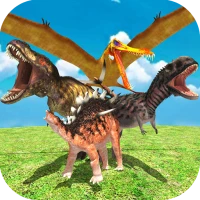
More About Dino Battle Arena Fallen World
The Ultimate Guide to the Primal World of Dinosaurs: Apex Predators, Fast Hunters, and Brutal Herbivores
Dinosaurs have long captivated our imagination, and their diverse factions reveal the complexity of life during the Mesozoic era. In this article, we will explore the three primary factions of dinosaurs: the formidable apex predators, the cunning fast hunters, and the resilient herbivores. Each group plays a crucial role in the ancient ecosystem, showcasing the fierce competition for survival in a world dominated by these magnificent creatures.
Apex Predators: The Kings of the Cretaceous
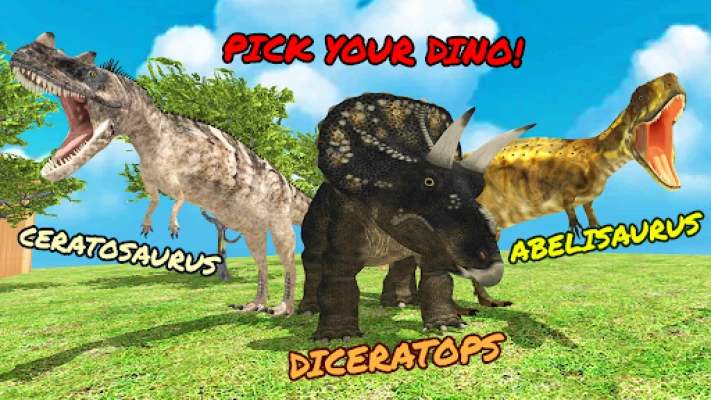
The Cretaceous period was ruled by apex predators like Tyrannosaurus rex, Spinosaurus, Abelisaurus, and Majungasaurus. These colossal carnivores were the ultimate hunters, equipped with powerful jaws and razor-sharp teeth designed to tear through flesh with ease. Their dominance led to the extinction of many other species, as they relentlessly hunted their prey.
With their keen senses and unparalleled strength, these apex predators were not just hunters; they were the architects of their environment. Their presence shaped the dynamics of the ecosystem, influencing the behaviors and adaptations of other dinosaurs. As they roamed the fallen world, their reign marked a significant chapter in the history of life on Earth.
Fast Hunters: The Cunning Opportunists of the Triassic
In contrast to the brute force of apex predators, the Triassic period introduced us to a different breed of dinosaur: the sneaky fast hunters. Dinosaurs like Carnotaurus, Alioramus, Ceratosaurus, and Pteranodon exemplified agility and speed. These opportunistic hunters thrived on their ability to capitalize on vulnerable prey and scattered food sources.
With their swift movements and sharp instincts, these dinosaurs left no opportunity wasted. They were masters of ambush, striking at the perfect moment to secure their next meal. Their adaptability and cunning strategies allowed them to survive in a world filled with larger, more powerful predators.
Brutal Herbivores: The Resilient Defenders of the Jurassic
As apex predators hunted relentlessly, the Jurassic period saw the rise of brutal herbivores like Kentrosaurus, Maiasaurus, and Diceratops. These dinosaurs were not merely passive victims; they fought back against the relentless onslaught of carnivores. Equipped with formidable defenses, they utilized their natural weapons to fend off attackers.
These herbivores developed unique adaptations to survive in a hostile environment. For instance, the spiked back of the Kentrosaurus served as a deterrent against predators, while the impressive horns of the Diceratops provided both defense and a means to assert dominance within their species. Their resilience and strength showcased the intricate balance of life in the Jurassic ecosystem.
The Awakening of Ancient Giants
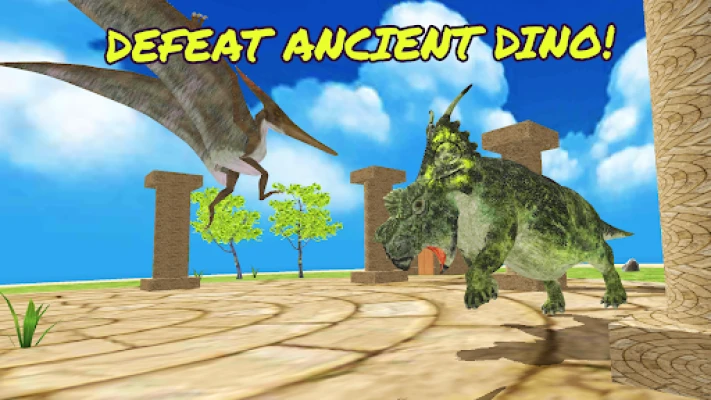
As the battles raged between these factions, ancient Jurassic dinosaurs like Lost Achelosaurus, Fallen Anghanguera, and Titanic Mapusaurus began to awaken from their slumber. These titans, once thought to be mere legends, re-entered the fray, adding another layer of complexity to the already tumultuous world of dinosaurs.
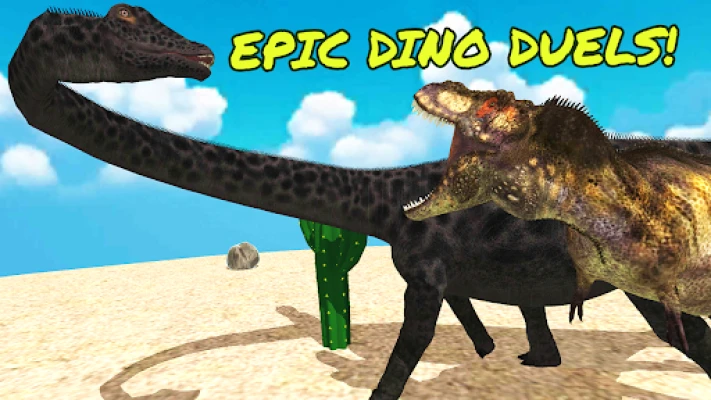
The primal Tyrannosaurus Rex, often hailed as the king of the dinosaurs, embarked on a quest to hunt every Jurassic dinosaur in sight. However, his path crossed with the colossal Diplodocus and the fearsome Anhanguera, both of whom posed significant challenges. The awakening of these ancient giants signified that even the apex predators faced formidable foes in their quest for dominance.
The Perils of the Fallen World
The world of dinosaurs was fraught with danger, even for the most powerful predators. The constant struggle for survival created a dynamic ecosystem where every creature, regardless of size or strength, had to navigate the perils of their environment. The fallen world was a testament to the relentless cycle of life and death, where only the fittest could thrive.
How to Experience the Dinosaur World
For those eager to immerse themselves in this prehistoric adventure, here’s how to play:
- Use the joystick to navigate your chosen dinosaur through the environment.
- Press the attack button to engage with other dinosaurs and destroy obstacles in your path.
- Utilize special skills to unleash devastating attacks on your foes.
Features of the Dinosaur Experience
- 15 campaign levels with varying difficulties to challenge your skills.
- Play as 12 different dinosaurs, from the iconic T-Rex to the agile Pteranodon.
- Evolve your skills to enhance your dinosaur's abilities.
- Stunning 3D graphics that bring the Jurassic world to life.
- Engaging and thrilling gameplay that keeps you on the edge of your seat.
- Immerse yourself in the Jurassic theme of the fallen world.
- Enjoy realistic sound effects and music that enhance the experience.
In conclusion, the world of dinosaurs is a fascinating tapestry of life, filled with apex predators, cunning hunters, and resilient herbivores. Each faction plays a vital role in the ecosystem, showcasing the intricate balance of nature. As we explore this ancient world, we gain a deeper appreciation for the incredible diversity and complexity of life that once roamed our planet.
Rate the App
User Reviews















Popular Apps










Editor's Choice