



Latest Version
0.21
September 09, 2024
Supersonic Studios LTD
Games
Android
0
Free
com.zxm.demolitiontruck
Report a Problem
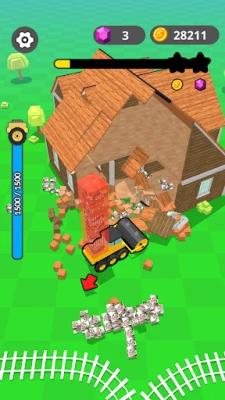
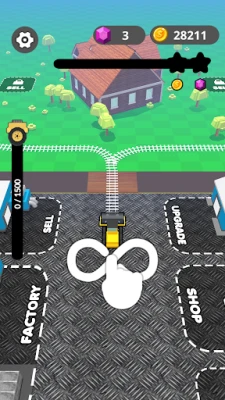
More About Demolition Car!
Efficient Building Demolition: A Comprehensive Guide to Brick Collection and Reuse
In the realm of construction and renovation, the process of building demolition plays a crucial role. Whether you are a contractor, a property owner, or an environmental enthusiast, understanding the nuances of demolishing buildings and collecting bricks can lead to sustainable practices and cost-effective solutions. This article delves into the essential aspects of building demolition, focusing on the collection and reuse of bricks.
The Importance of Building Demolition
Building demolition is not merely about tearing down structures; it is a vital process that paves the way for new developments. As urban areas expand, older buildings often need to be removed to make space for modern infrastructure. This process can be beneficial for several reasons:
- Urban Renewal: Demolition allows for the revitalization of neighborhoods, making way for new housing, commercial spaces, and public amenities.
- Safety Concerns: Aging structures may pose safety risks. Demolishing these buildings ensures the safety of the surrounding community.
- Environmental Impact: Proper demolition practices can minimize waste and promote recycling, contributing to a more sustainable environment.
Understanding the Demolition Process
The demolition process involves several key steps, each requiring careful planning and execution. Here’s a breakdown of the typical stages:
1. Planning and Permits
Before any demolition work begins, it is essential to obtain the necessary permits from local authorities. This step ensures compliance with regulations and safety standards. A thorough assessment of the building is also conducted to identify hazardous materials, such as asbestos, that may require special handling.
2. Site Preparation
Preparing the site involves securing the area and ensuring that utilities such as water, gas, and electricity are safely disconnected. This step is crucial to prevent accidents during the demolition process.
3. Demolition Techniques
There are various methods of demolition, including:
- Mechanical Demolition: This method uses heavy machinery, such as excavators and bulldozers, to dismantle structures efficiently.
- Controlled Demolition: In this approach, explosives are used to bring down buildings in a controlled manner, minimizing damage to surrounding areas.
- Deconstruction: This eco-friendly method involves carefully dismantling a building to salvage materials for reuse, including bricks.
Collecting Bricks: A Sustainable Approach
One of the most valuable materials that can be salvaged during demolition is bricks. Collecting and reusing bricks not only reduces waste but also offers several benefits:
1. Cost Savings
Reusing bricks can significantly lower construction costs. Instead of purchasing new materials, salvaged bricks can be cleaned and repurposed for various projects, including landscaping, pathways, and new building constructions.
2. Environmental Benefits
By reusing bricks, you contribute to reducing landfill waste and the carbon footprint associated with manufacturing new bricks. This practice aligns with sustainable building initiatives and promotes a circular economy.
3. Aesthetic Appeal
Salvaged bricks often possess unique characteristics and historical charm that new bricks lack. Incorporating these bricks into new designs can enhance the aesthetic appeal of a project, providing a rustic or vintage look.
Steps to Collect and Reuse Bricks
If you are considering collecting bricks during a demolition project, follow these steps to ensure a successful process:
1. Assess the Condition of Bricks
Before collection, evaluate the condition of the bricks. Look for cracks, chips, or other damage that may affect their usability. Only salvage bricks that are in good condition to ensure quality in your projects.
2. Proper Removal Techniques
When removing bricks, use appropriate tools to avoid damaging them. A pry bar or a hammer can help dislodge bricks without breaking them. Take your time to ensure that each brick is carefully extracted.
3. Cleaning and Storage
Once collected, clean the bricks to remove any mortar or debris. Store them in a dry, sheltered area to prevent moisture damage. Proper storage will maintain their quality for future use.
Conclusion: Embracing Sustainable Demolition Practices
Building demolition is an essential aspect of urban development, and the collection of bricks during this process offers numerous benefits. By embracing sustainable practices, you can contribute to environmental conservation while also enjoying cost savings and unique design opportunities. Whether you are a contractor or a DIY enthusiast, understanding the importance of brick collection can lead to more responsible and innovative building practices.
In conclusion, as we move towards a more sustainable future, the integration of recycling and reuse in demolition practices will play a pivotal role in shaping our urban landscapes. Embrace the opportunity to demolish responsibly and collect bricks for a greener tomorrow.
Rate the App
User Reviews















Popular Apps










Editor's Choice