


Latest Version
6.2.2
December 21, 2025
Wave Analytics LLC
Tools
Android
0
Free
net.pinpointglobal.surveyapp
Report a Problem
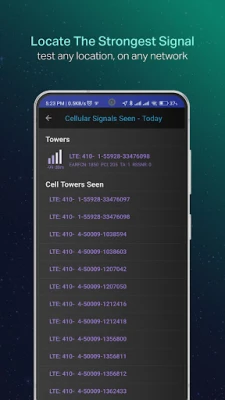
More About Coverage - Cell and WiFi Test
Maximize Your Connectivity: Create Your Own Personal Coverage Map
In today's fast-paced digital world, having reliable network coverage is essential. Whether you're streaming videos, making calls, or browsing the web, understanding your device's signal strength can significantly enhance your experience. This article will guide you on how to test your network performance, map your cell and WiFi coverage, and uncover those pesky dead zones that can disrupt your connectivity.
Test Your Network Performance Effectively
To ensure you are getting the best service from your carrier, it's crucial to conduct your own tests. By creating a personal coverage map, you can visualize where your device excels and where it struggles. Here’s how to get started:
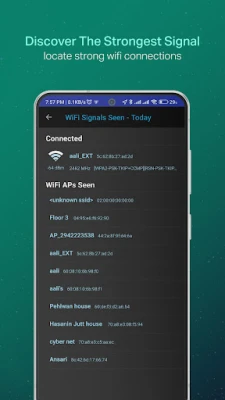
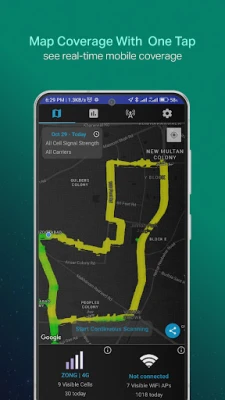
- Map Your Cell and WiFi Coverage: Utilize apps that allow you to track and visualize your signal strength in real-time. This will help you identify areas with strong coverage and those that are lacking.
- Compatible with Multiple Networks: Whether you are using GSM, CDMA, UMTS, or LTE networks, these tools can provide accurate readings tailored to your specific carrier.
- Accurate Signal Strength Readings: Leverage your smartphone’s capabilities to gather precise data on both WiFi and cell signal strength.
- Identify Dead Zones: By mapping your daily commute, you can pinpoint areas where your connection drops, allowing you to plan accordingly.
- Conduct Speed Tests: Regularly test your connection speed to ensure you are receiving the service you pay for. This can also help you compare performance during different times of the day.
- Compare Different Carriers: If you have access to multiple SIM cards, swap them out to see how coverage varies between carriers in your area.
Discover Intriguing WiFi and Cell Statistics
Understanding your device's connectivity goes beyond just knowing where you have signal. Here are some fascinating statistics you can track:
- Your Average LTE Signal Strength: Monitor how strong your LTE connection is over time to gauge overall performance.
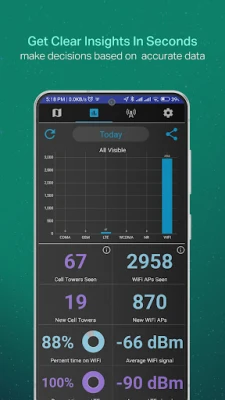
- New Cell Towers Detected: Keep track of how many new cell towers your device recognizes during your daily activities, which can indicate improvements in network infrastructure.
- WiFi Connection Time: Analyze how much time your phone spends connected to WiFi versus cellular networks. This can help you understand your data usage and optimize your settings.
- LTE Network Usage: Discover how often your device relies on LTE, which can be crucial for managing data plans.
- Your Average WiFi Signal Strength: Regularly check your WiFi signal strength to ensure you are getting the best possible connection at home or in the office.
- And Much More: Many apps provide additional insights that can help you make informed decisions about your connectivity.
Why Mapping Your Coverage Matters
Creating a personal coverage map is not just about knowing where you have service; it’s about empowering yourself as a consumer. By understanding your network performance, you can:
- Make Informed Decisions: Choose the best carrier for your needs based on real data rather than marketing claims.
- Optimize Your Connectivity: Adjust your usage habits based on where you experience the best signal strength.
- Enhance Your Experience: Enjoy smoother streaming, faster downloads, and clearer calls by knowing where to expect the best service.
Conclusion: Take Control of Your Connectivity
In a world where connectivity is paramount, taking the time to test your network performance and map your coverage can lead to a significantly improved experience. By utilizing the right tools and understanding the statistics behind your device's performance, you can ensure that you are always connected when it matters most. Don’t just take your carrier’s word for it—create your own personal coverage map and discover the true state of your connectivity today!
Rate the App
User Reviews














Popular Apps










Editor's Choice