
Latest Version
1.0.7
October 06, 2024
Fight the Terrorists
Games
iOS
312.4 MB
1
Free
Report a Problem
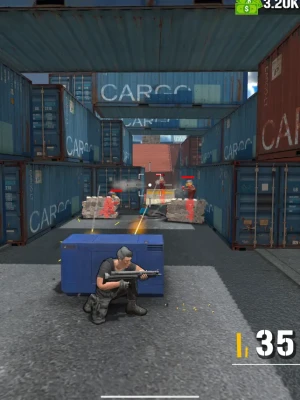
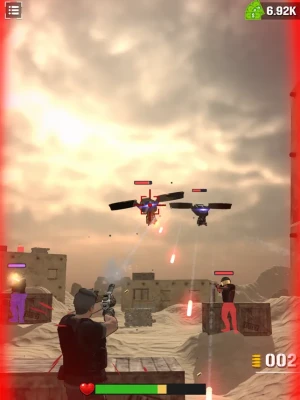
More About Cover Raid
Elite Soldiers: The Ultimate Mission to Dismantle a Criminal Organization
In the world of covert operations, few roles are as critical as that of elite soldiers. These highly trained individuals are not just soldiers; they are the best of the best, equipped with unparalleled skills and unwavering determination. This article delves into the thrilling and perilous mission of dismantling a notorious criminal organization, highlighting the essential skills and strategies required for success.
The Call to Action: Understanding the Mission
When elite soldiers receive a mission, it is often shrouded in secrecy and fraught with danger. The objective is clear: to eradicate a criminal organization that poses a significant threat to national security and public safety. This mission requires not only exceptional shooting skills but also strategic planning and teamwork.
Essential Skills of Elite Soldiers
To succeed in such high-stakes environments, elite soldiers must possess a diverse skill set. Here are some of the key abilities that set them apart:
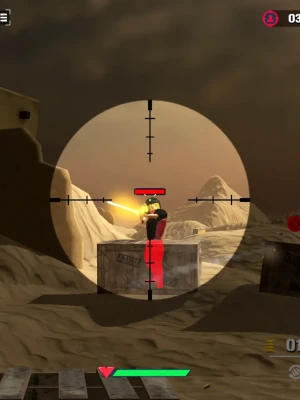
- Marksmanship: Precision shooting is crucial. Elite soldiers undergo rigorous training to ensure they can hit their targets accurately, even under pressure.
- Situational Awareness: Understanding the environment and anticipating enemy movements can mean the difference between life and death.
- Team Coordination: Working seamlessly with fellow soldiers is essential. Effective communication and trust among team members enhance operational success.
- Adaptability: The ability to think on one’s feet and adjust strategies in real-time is vital in unpredictable combat situations.
Strategizing the Assault: Planning the Operation
Before engaging in combat, elite soldiers meticulously plan their operations. This phase involves gathering intelligence, analyzing enemy behavior, and determining the best approach to infiltrate the criminal organization. Key components of this planning phase include:
- Intelligence Gathering: Utilizing surveillance, informants, and reconnaissance to gather crucial information about the enemy.
- Risk Assessment: Evaluating potential threats and devising contingency plans to mitigate risks during the operation.
- Resource Allocation: Ensuring that all necessary equipment, weapons, and support personnel are in place for the mission.
Executing the Mission: Engaging the Enemy
Once the planning phase is complete, it’s time to execute the mission. Elite soldiers must remain focused and disciplined as they engage the enemy. Here’s how they approach the operation:
- Infiltration: Stealth is key. Soldiers often use covert methods to enter enemy territory without detection.
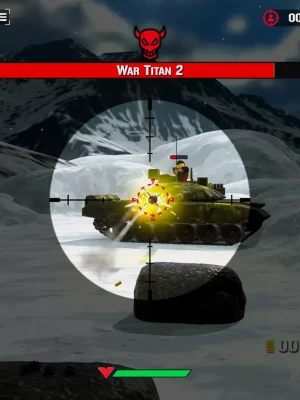
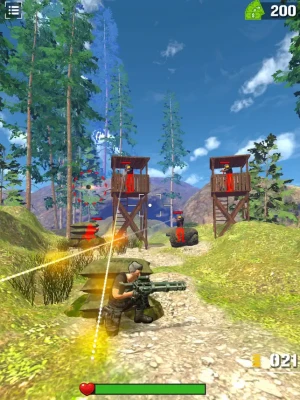
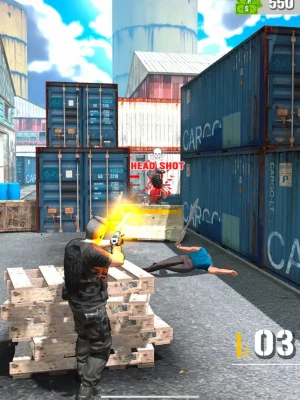
- Engagement: When confrontation is unavoidable, elite soldiers rely on their marksmanship and tactical training to neutralize threats swiftly.
- Extraction: After achieving their objectives, soldiers must safely exit the area, often under fire, requiring quick thinking and teamwork.
The Aftermath: Assessing Success and Learning
After the mission concludes, it’s essential to assess the outcomes. This evaluation process involves:
- Debriefing: Soldiers discuss what went well and what could be improved, fostering a culture of continuous learning.
- Analyzing Intelligence: Reviewing gathered intelligence to understand the impact of the operation on the criminal organization.
- Emotional Support: Addressing the psychological toll of combat is crucial for the well-being of elite soldiers.
Conclusion: The Legacy of Elite Soldiers
Elite soldiers play a pivotal role in maintaining peace and security by taking on dangerous missions to dismantle criminal organizations. Their exceptional skills, strategic planning, and unwavering commitment to their mission set them apart as true heroes. As they continue to face new challenges, their legacy of bravery and excellence will inspire future generations of soldiers.
Rate the App
User Reviews















Popular Apps










Editor's Choice