
Latest Version
2.40
June 17, 2026
Atlas Educational Software
Games
Android
0
Free
com.Maple.CountriesOfOceaniaQuiz
Report a Problem
More About Countries of Oceania Quiz
Explore Oceania: A Comprehensive Guide to Countries, Capitals, and More
Oceania, a vast region encompassing numerous islands and nations, offers a rich tapestry of cultures, languages, and histories. This article delves into essential aspects of Oceania, including locations on a map, capital cities, populous urban centers, national flags, coats of arms, and country abbreviations as per ISO 3166-2 standards. Whether you're a geography enthusiast or a traveler planning your next adventure, this guide will enhance your understanding of this diverse region.
Understanding Locations on a Map
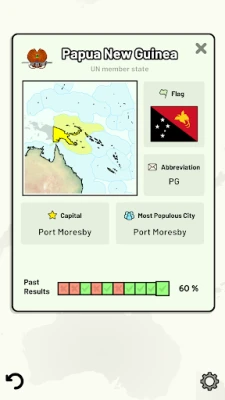
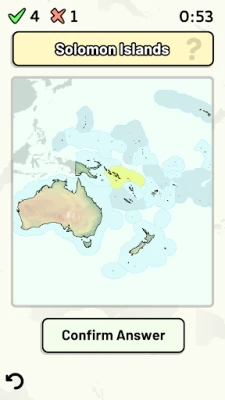
Oceania is comprised of several islands and countries scattered across the Pacific Ocean. The region includes well-known nations such as Australia, New Zealand, and Papua New Guinea, along with numerous smaller island nations. A detailed map of Oceania reveals the geographical layout, showcasing the unique positioning of each country and its proximity to others. Familiarizing yourself with these locations is crucial for grasping the cultural and political dynamics of the region.
Capital Cities of Oceania
Each country in Oceania has its own capital city, serving as the political and administrative center. Here are some notable capital cities:
- Canberra - Australia
- Wellington - New Zealand
- Port Moresby - Papua New Guinea
- Suva - Fiji
- Honiara - Solomon Islands
These capitals not only represent the governance of their respective countries but also reflect the unique cultural identities and histories of the nations they serve.
Most Populous Cities in Oceania
In addition to capital cities, Oceania is home to several populous urban centers that play significant roles in the region's economy and culture. Some of the most populous cities include:
- Sydney - Australia
- Auckland - New Zealand
- Brisbane - Australia
- Melbourne - Australia
- Suva - Fiji
These cities are vibrant hubs of activity, offering a mix of modern amenities and rich cultural experiences, making them popular destinations for both locals and tourists.
National Flags of Oceania
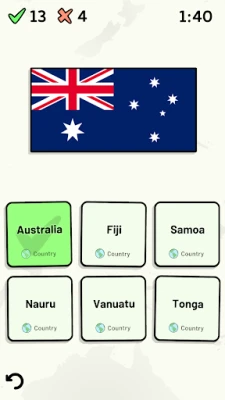
The flags of Oceania's countries are emblematic of their unique identities and histories. Each flag features distinct colors, symbols, and designs that represent the nation's heritage. For instance:
- Australia's flag includes the Union Jack and the Southern Cross constellation.
- New Zealand's flag also features the Union Jack alongside four red stars representing the Southern Cross.
- Fiji's flag showcases a shield with a lion, symbolizing the country's British colonial history.
Understanding these flags can deepen your appreciation for the cultural significance they hold for each nation.
Coats of Arms: Symbols of Sovereignty
In addition to flags, many countries in Oceania have coats of arms that serve as official symbols of their sovereignty. These emblems often incorporate elements that reflect the nation's history, culture, and values. For example:
- Australia's coat of arms features a kangaroo and an emu, symbolizing the country's unique wildlife.
- New Zealand's coat of arms includes a female figure representing Justice, flanked by a Māori warrior and a European settler.
Coats of arms are not only important for national identity but also serve as a reminder of the rich histories that shape these nations.
Country Abbreviations (ISO 3166-2)
Understanding country abbreviations is essential for various applications, including travel, trade, and international relations. The ISO 3166-2 standard provides a set of codes that represent each country in Oceania. Here are a few examples:
- Australia: AU
- New Zealand: NZ
- Fiji: FJ
- Papua New Guinea: PG
These abbreviations are widely used in databases, shipping, and other international contexts, making them a vital part of global communication.
Customizable Quizzes: Test Your Knowledge
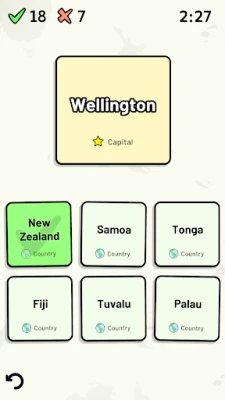
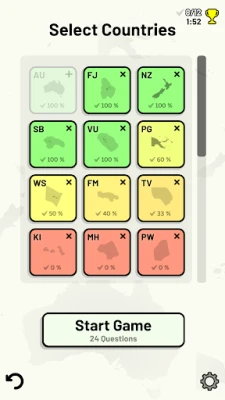
For those looking to enhance their knowledge of Oceania, customizable quizzes offer an engaging way to learn. Users can select specific countries and topics to test their understanding. Past results are displayed, allowing you to track your progress and identify areas for improvement. This interactive approach makes learning about Oceania both fun and informative.
Standard Quizzes: A Progressive Learning Experience
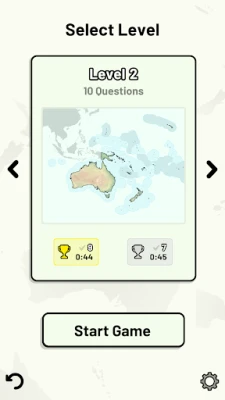
Standard quizzes provide a structured way to learn about Oceania by progressing through various levels. Each level covers additional countries and topics, ensuring a comprehensive understanding of the region. This methodical approach helps reinforce knowledge and build confidence as you advance through the quizzes.
Multilingual Support for Global Accessibility
The app designed for exploring Oceania's countries and capitals offers multilingual support, allowing users to switch between languages such as English, French, German, Spanish, Portuguese, and Italian. This feature ensures that learners from diverse backgrounds can access the content and engage with the material effectively.
Conclusion: Discover the Wonders of Oceania
Oceania is a region rich in diversity, culture, and history. By exploring its countries, capitals, populous cities, flags, coats of arms, and country abbreviations, you can gain a deeper appreciation for this unique part of the world. Whether through interactive quizzes or traditional study methods, the knowledge you acquire will enhance your understanding of Oceania and its significance on the global stage.
Rate the App
User Reviews















Popular Apps










Editor's Choice