

Latest Version
1.0.2
July 05, 2026
iCivics
Games
Android
0
Free
org.icivics.constitutionalcomp
Report a Problem
More About Constitutional Compromise
Understanding Constitutional Compromise: A Deep Dive into the 1787 Convention
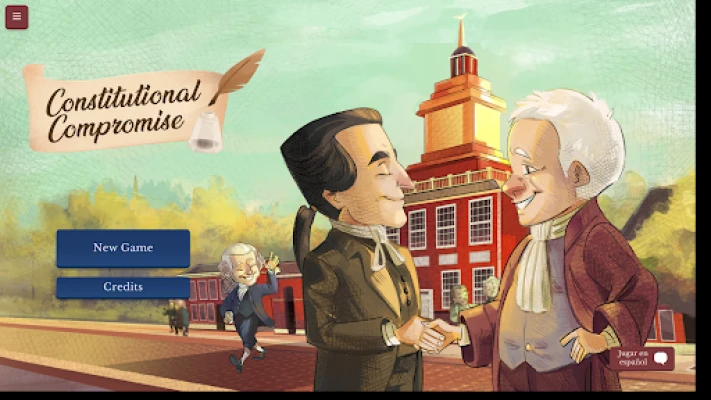
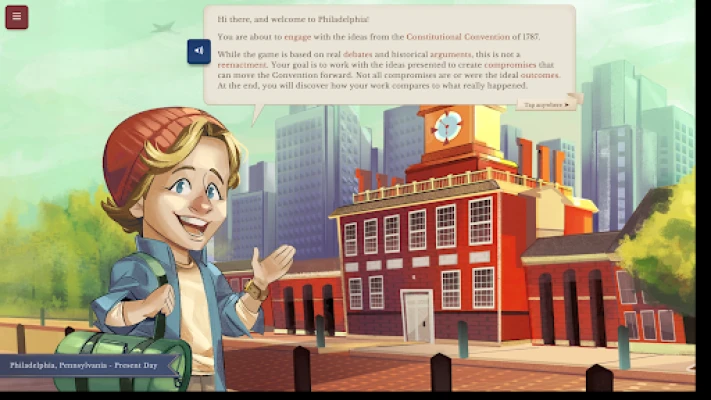
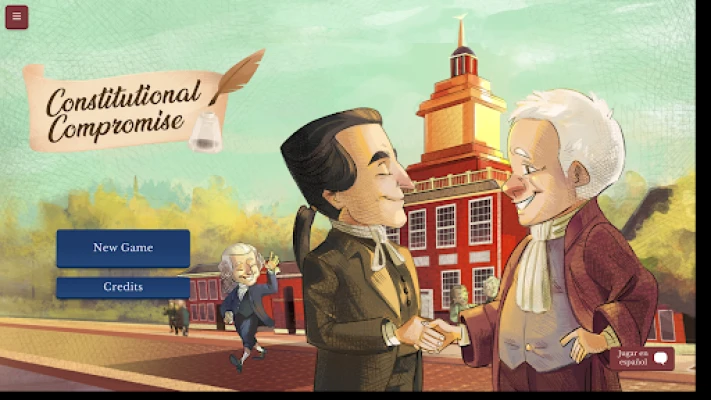
The Constitutional Convention of 1787 was a pivotal moment in American history, where delegates gathered to shape the future of the United States. This interactive game immerses players in the debates and decisions that defined the nation, allowing them to explore the complexities of governance and the delicate balance of interests among states.
Engaging with Historical Perspectives
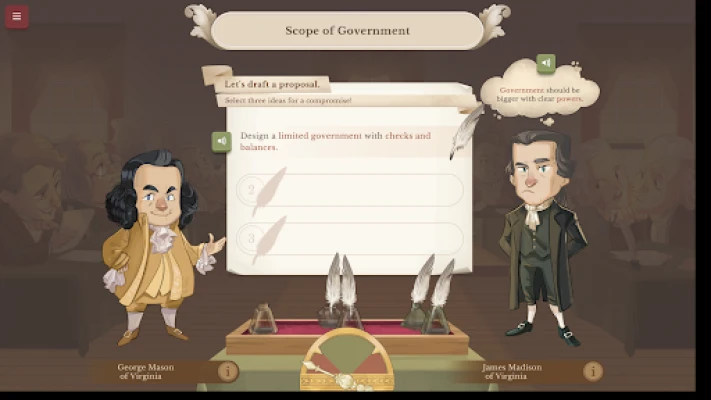
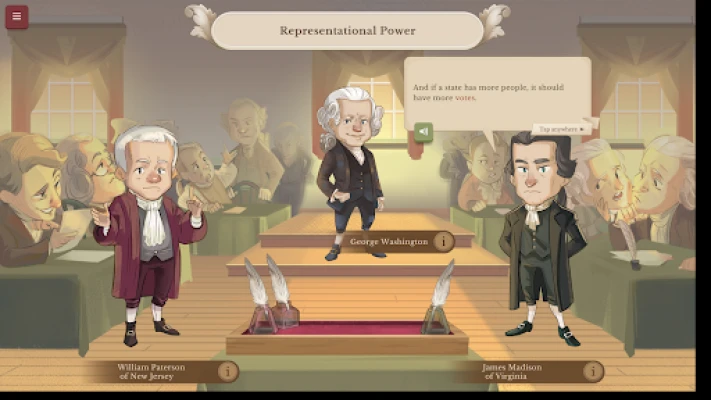
In this game, participants will hear from various delegates as they articulate their visions for the new government. Players must navigate the competing interests of both large and small states, each with unique perspectives on governance. The challenge lies in reconciling these differences while addressing contentious issues, such as the institution of slavery, which loomed large over the convention.
The Nature of Compromise
It’s essential to recognize that not all compromises reached during the convention were ideal. While the game is rooted in real historical debates and arguments, it does not serve as a mere reenactment. Instead, it provides a platform for players to engage with the complexities of decision-making and to reflect on how their choices align with the actual outcomes in Philadelphia.
Support for Diverse Learners
This game is designed with inclusivity in mind, offering a range of support tools for English and multilingual learners. Features include Spanish translation, voiceover options, and a comprehensive glossary, ensuring that all players can fully engage with the material.
Learning Objectives for Students
Through participation in this game, students will:
- Explore the key questions debated during the 1787 Constitutional Convention.
- Evaluate the arguments presented by various delegates during the debates.
- Describe the compromises that emerged from the Convention.
- Identify key figures who played significant roles in the Convention.
- Compare historical outcomes with alternative compromises that could have been made.
Resources for Educators
Teachers looking to enhance their curriculum around the theme of Constitutional Compromise can find valuable resources at icivics.org/games/constitutional-compromise. This platform offers a wealth of materials to support classroom discussions and activities related to the Constitution and its historical context.
Game Features: A Unique Learning Experience
The Constitutional Compromise game offers several engaging features:
- Experience the main historical debates of the Constitutional Convention firsthand.
- Identify key points from each side of a debate to facilitate compromise.
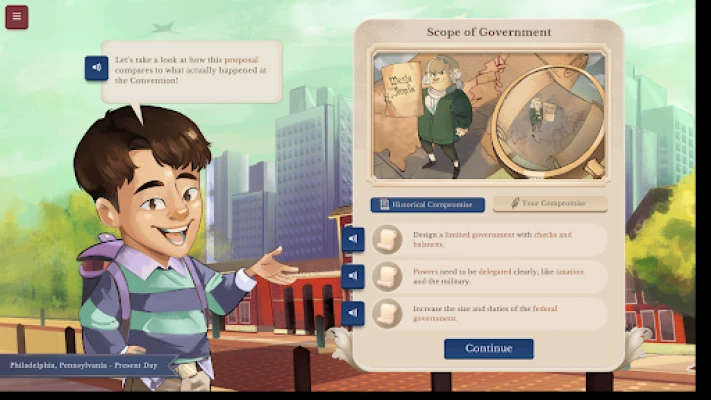
- Compare your compromises with the historical outcomes to understand the implications of each decision.
- Discover the modern relevance of the debates, connecting past decisions to contemporary issues.
Conclusion: The Legacy of Compromise
Ultimately, the Constitutional Convention was a testament to the power of compromise in shaping a nation. By participating in this game, players not only gain insight into the historical context of the 1787 debates but also develop critical thinking skills that are essential for understanding governance today. Engage with the past, reflect on the present, and consider the future as you navigate the intricate landscape of American democracy.
Rate the App
User Reviews














Popular Apps










Editor's Choice